



NEW Article


2026.06.24
FY2025 6th CJPF LAB ”Finance & Regional Revitalization × Cool Japan”
2026.05.21
FY2025 Fifth CJPF LAB: Growing Cool Japan Together — ‘The Japan We Want to Share’ Through the Eyes of International Talent
2026.05.21
FY2025 Fourth CJPF LAB: The Current State of Global Expansion in Fashion and Beauty
2026.05.21
FY2025 Third CJPF LAB: The Current State and Future of Enhancing Value Through Collaboration with IP
2026.05.21
FY2025 Second CJPF LAB: The Potential of Sports × Cool Japan
2026.05.21
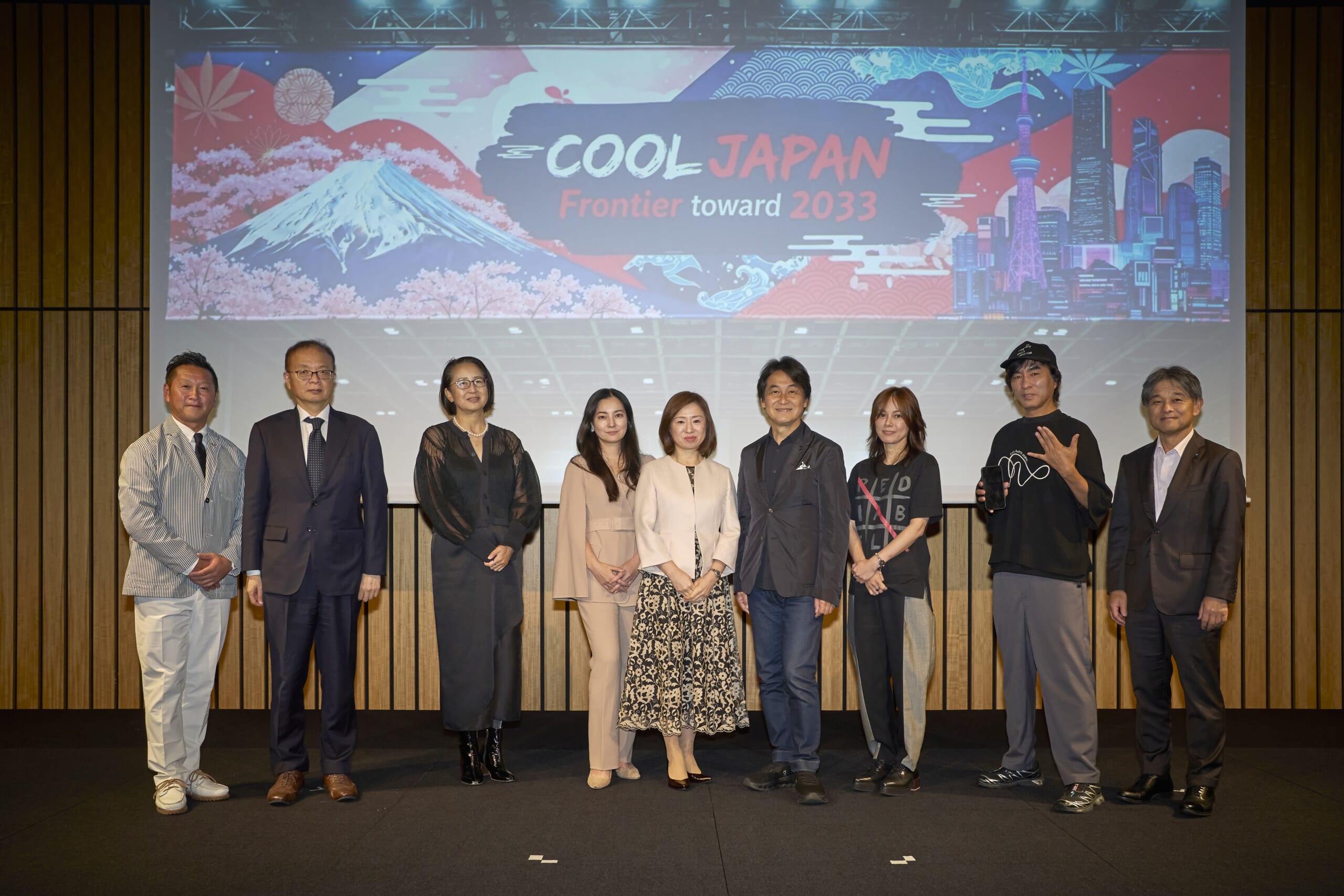
Cool Japan Frontier toward 2033
Search by keyword
- Ryotei & Restaurants
- Lodging/Hotels
- Producers
- Technology
- DX (Digital) & SNS
- City Planning
- Utilization
- Gastronomy and Culinary
- Japanese Nature
- Japanese history and traditional culture
- Japanese Food Culture
- Agriculture
- Fisheries
- SDGs
- Local production for local consumption
- Foreigner Activation
- Experience
- Overseas Expansion
- Fermentation
- Public-private partnerships and collaborations
- Sake
- Community Revitalization
- Spirituality
- Japan of the Sea
- Mountain Japan
CASE STUDY
We will introduce examples of initiatives that convey the appeal of Japan to the world.
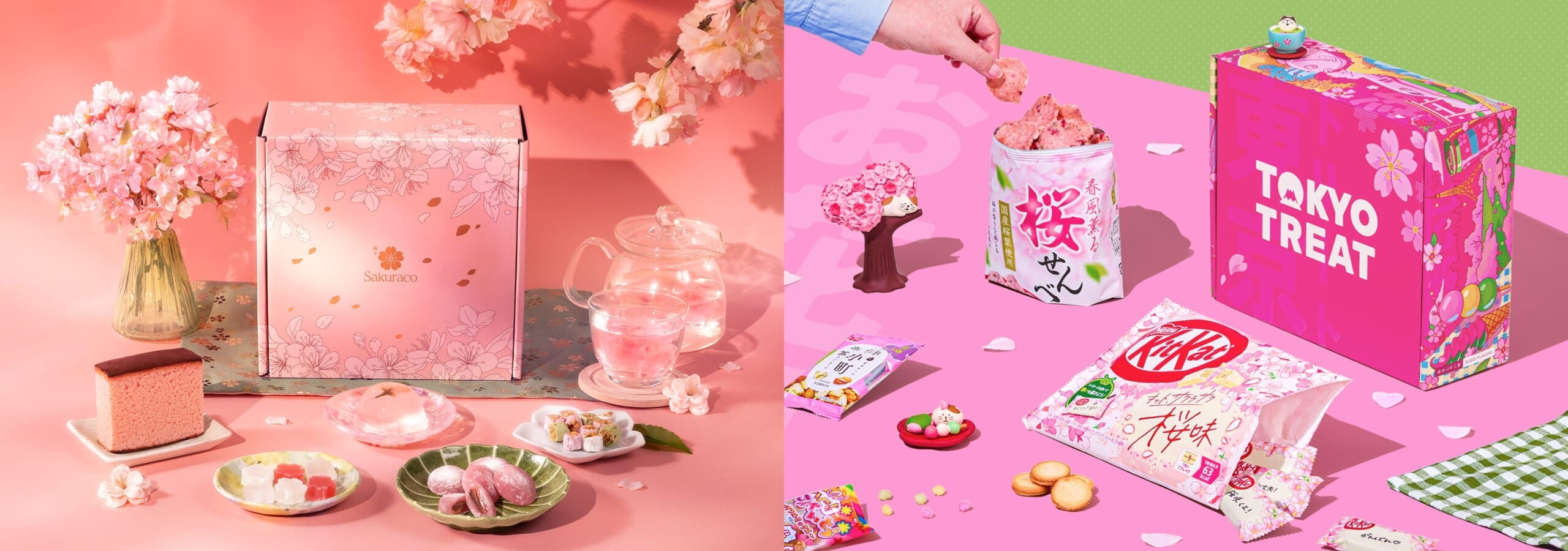
35 “From Cross-Border E-Commerce to Sharing Japanese Culture with the World — ICHIGO’s Vision for Creating Experiences That Connect Japan and the World —”
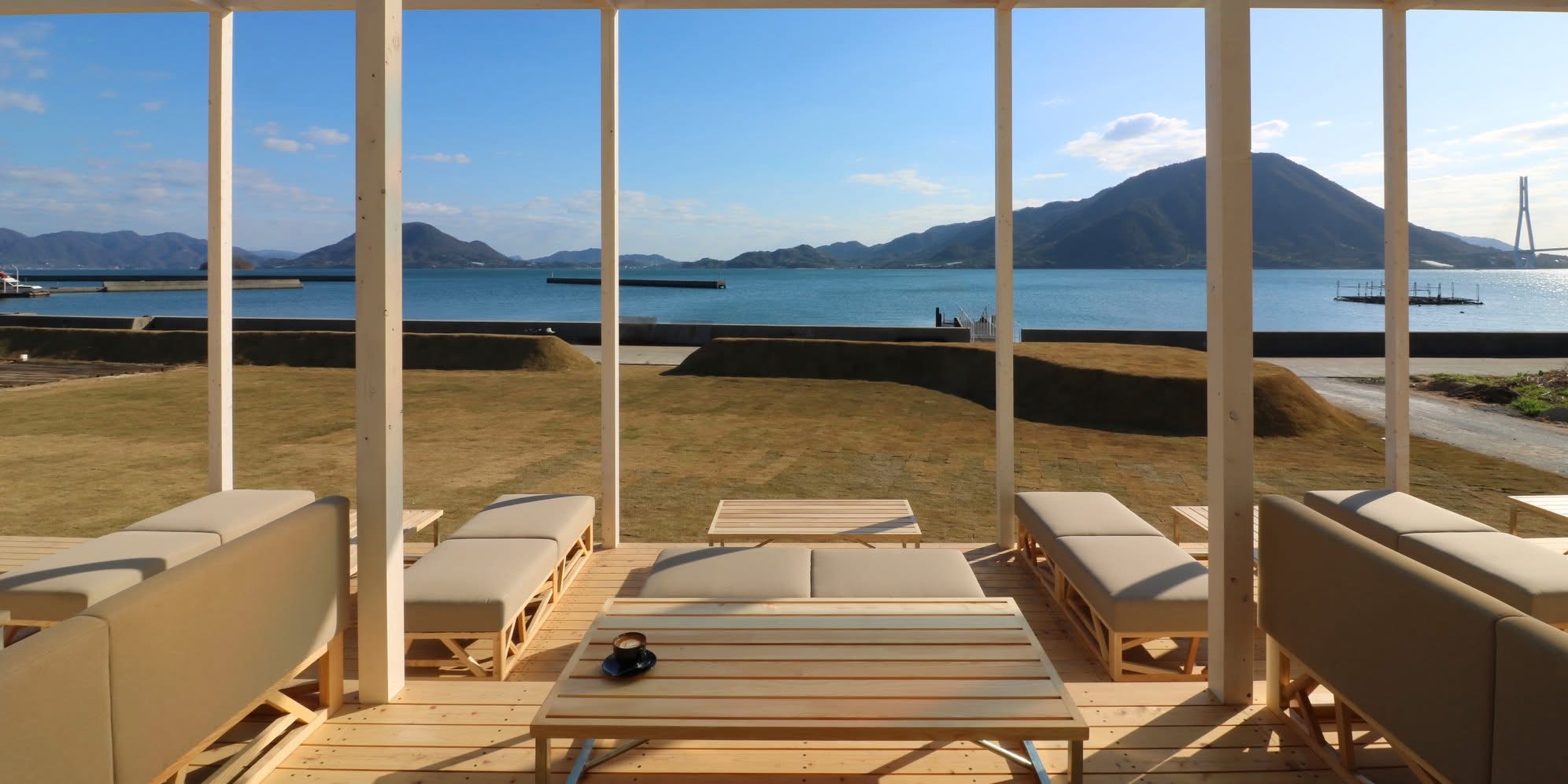
38 Turning Dispersed Regional Resources into Collective Value
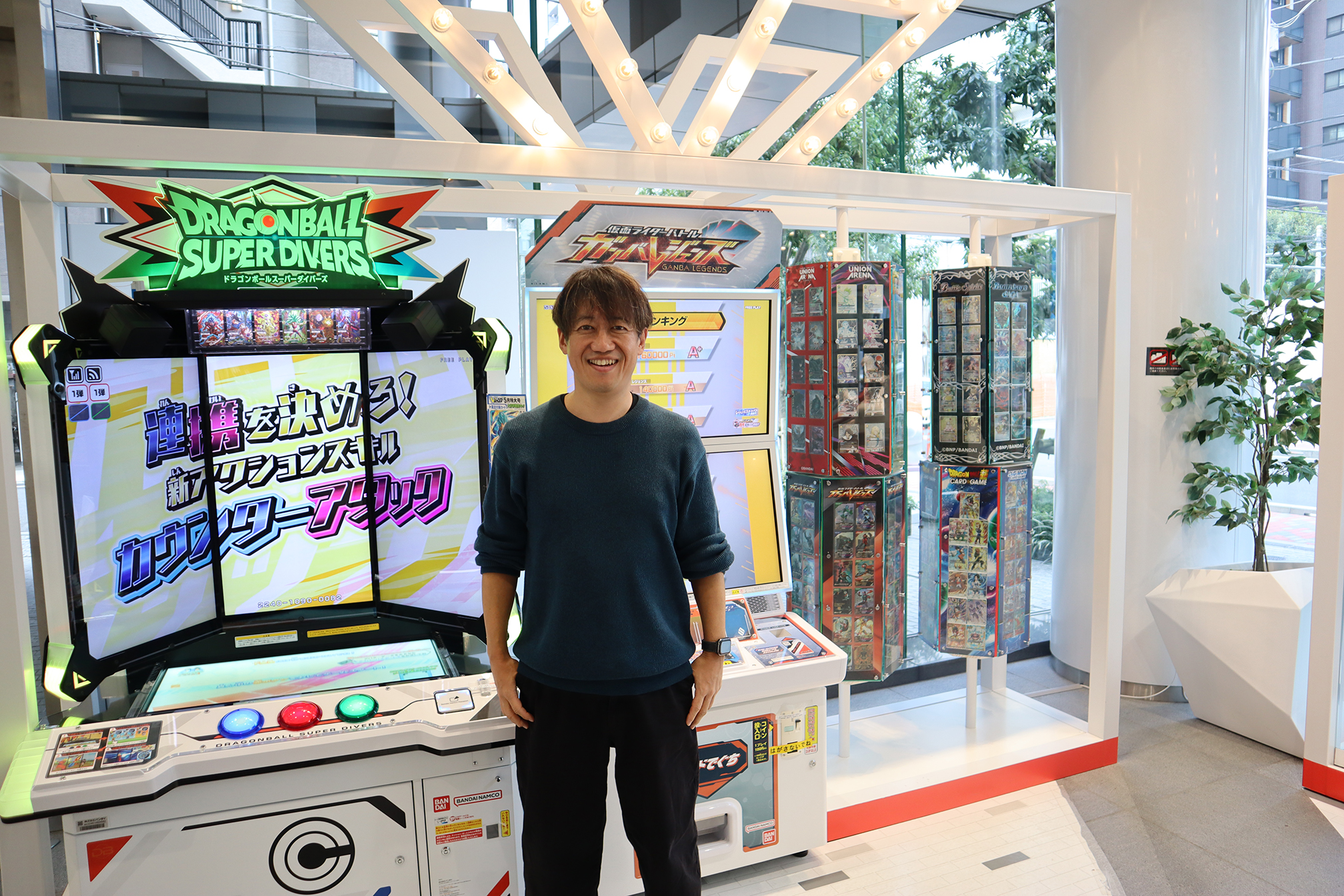
39 Expanding Globally Together with Fans Worldwide: How the Bandai Namco Group Leverages Data to Drive Global Growth

37 From Sunagawa, Hokkaido to the World: How SHIRO Is Building a Global Beauty Brand Through Regional Co-Creation and Sustainable Growth

Spreading the charm of the region to the world. We will be delivering videos of conversations between CJPF and the challengers it has met.
FY2025 6th CJPF LAB ”Finance & Regional Revitalization × Cool Japan”
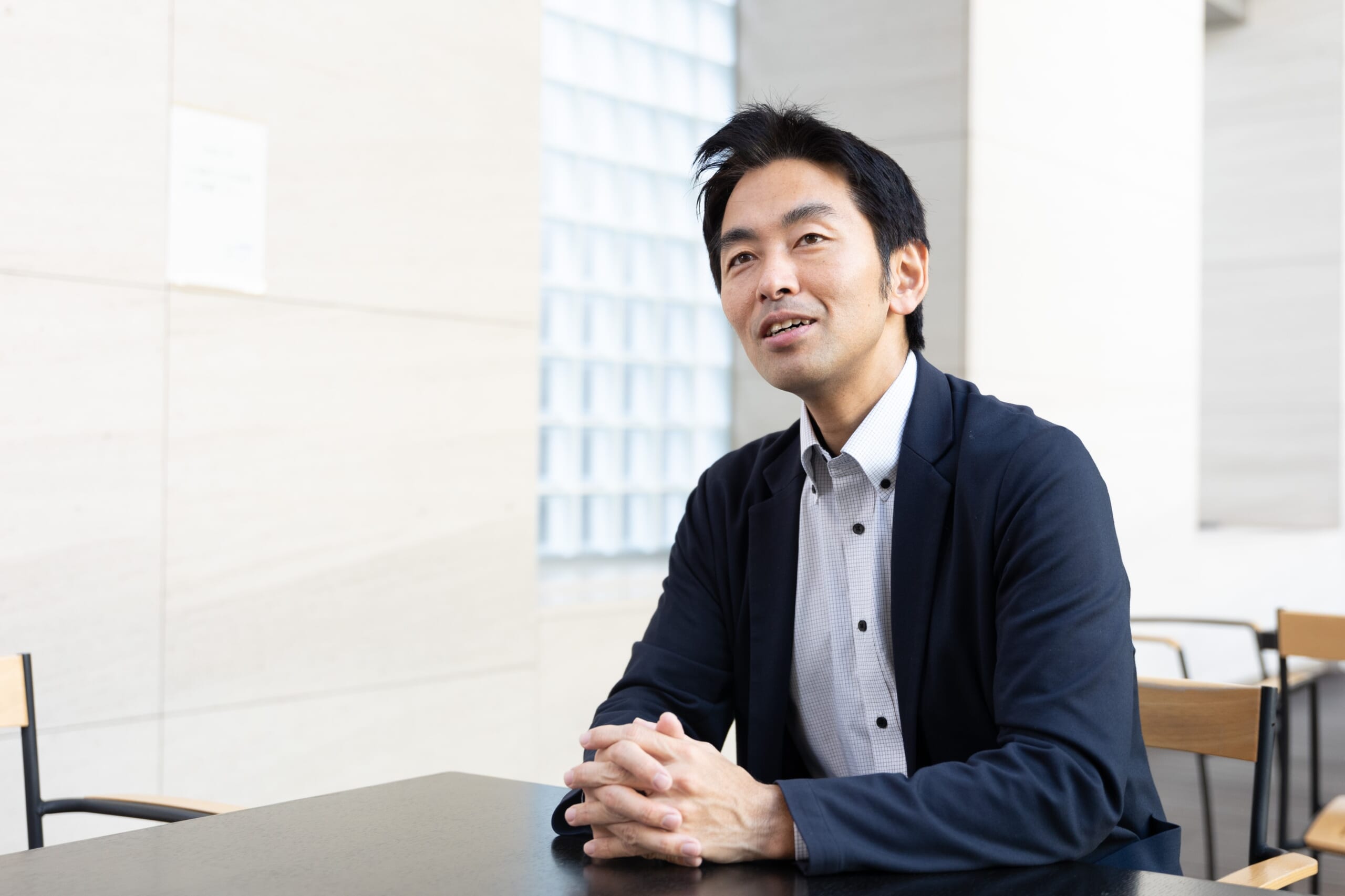
The 6th CJPF LAB of this fiscal year was held under the theme of “Finance & Regional Revitalization × Cool Japan.” Three guest speakers were invited: Kotaro Omae, Chairman of Johoku Shinkin Bank; Naohisa Kawamura, Senior Managing Executive Officer of Cool Japan Fund, Inc. and Takami Kondo, Vice Chairman & Representative Director of SBI NEO MEDIA HOLDINGS Co., Ltd. / President & Group Representative of NEXYZ.Group. The moderator was Kenichi Watanabe, Director of the Cool Japan Public-Private Partnership Platform (CJPF). The event gathered a large number of participants both in-person and online, and generated lively discussion about insights from financial professionals engaged in Cool Japan, along with practical case studies. (Event date: March 3, 2026) Kotaro Omae | Chairman, Johoku Shinkin Bank Mr. Omae spoke on the topic of “Challenging Content Development to Enhance Regional Value.” He began by classifying financial institutions’ activities into “traditional financial services” and “non-financial services,” then explained the background behind Johoku Shinkin Bank’s focus on community engagement. As a non-profit cooperative financial institution, the bank can leverage its ability to take a long-term view on investment decisions, and has been pursuing content development directly linked to enhancing regional value. As a specific example, he first introduced the creation of a sake brand set in Kita Ward, Tokyo. The ward has a history of being called the “Sacred Land of Sake,” symbolized by the former National Brewing Laboratory (Red Brick Sake Brewery), a nationally designated Important Cultural Property. During the Sino-Japanese and Russo-Japanese Wars, over 3,000 master brewers (toji) gathered there from across the country to acquire the latest sake-making techniques—all in service of securing liquor tax revenue to fund the war effort. As chairman of the tourism association, Mr. Omae promoted the use of this facility and organized tours combining a facility visit with a full-course French dinner featuring fermented ingredients (approximately 50,000 yen per person), which sold out immediately. This experience strongly convinced him of the potential of heritage tourism. Building on these experiences, in 2024 he launched a sake called “HIEI” brewed using the “Asukayama yeast” collected from the former Shibusawa Garden in Asukayama Park, priced at 10,000 yen per bottle and limited to 2,024 bottles. It sold out and went into increased production. It has since been listed at Michelin-starred restaurants and the Imperial Hotel, becoming a high-value-added brand. Products such as caneles and ice cream made from sake lees are also […]

We are seeking and recognizing projects that have leveraged Japan’s appeal and value to achieve tangible results.
Applications are now open for the CJPF AWARD 2027. Click here to view past winning entries.
The CJPF Awards seek to recognize and honor projects that have achieved significant results by leveraging Japan’s appeal and value across a wide range of fields, including food and food culture, tourism resources, manufacturing, content (such as entertainment, manga, and anime), and initiatives that utilize cutting-edge digital technology.
ABOUT CJPF
COLUMN
This is a column that allows you to rediscover the charm of Japan from various angles.
COLUMNAbout CJPF
We will explain the Cool Japan Public-Private Partnership Platform and its objectives and activities.
About CJPF