

Turning Dispersed Regional Resources into Collective Value
Ehime Prefecture
KITA Management/ Takaraso Hotel / Shimanami Japan / WAKKA
Lessons from Ehime: Designing Regional Experiences Through Exploration and Extended Stays
Lessons from Ehime: Enhancing Regional Experience Value Through Integrated Tourism Design
In regional tourism, there is growing recognition that standalone initiatives — such as building individual facilities or hosting one-off events — often struggle to encourage visitors to explore wider areas or extend their stays. As a result, these efforts do not always lead to sustainable value creation or broader economic benefits for local communities.
In Ehime Prefecture, however, a number of forward-thinking initiatives are emerging that view tourism not simply as a tool for attracting visitors, but as a means of redesigning the value of entire regions. Across the prefecture, organizations and local communities are developing approaches that focus on improving regional circulation, extending visitor stays, and creating richer area-wide experiences.
This article explores four case studies — Ozu, Dogo Onsen, Shimanami Kaido, and Omishima — highlighting how each region is organically connecting multiple local resources and destinations to design more meaningful and immersive regional experiences.
Chapter.01 How Ozu Transformed an Entire Castle Town into a Single Hotel Experience
The initiatives taking place in Ozu represent a transformation from what was once a region with limited tourism engagement into a destination centered around immersive, stay-based travel experiences.
Although Ozu possessed historic streetscapes and rich cultural assets, most visitors traditionally passed through the area on short day trips. Accommodation infrastructure remained limited, and visitor spending rarely extended deeply into the local economy.
At the same time, the castle town district faced growing structural challenges, including increasing numbers of vacant and aging properties that threatened the preservation of regional cultural assets. As a result, multiple issues existed simultaneously: tourism revitalization, vacant property utilization, and the broader regeneration of the local economy.
To address these challenges, the city adopted a “distributed hotel” model.
Under this approach, traditional townhouses and historic buildings were renovated into guest rooms, restaurants, and shops spread throughout the town, allowing the entire area to function as a single hotel experience. Guests naturally move through the town between reception areas, accommodations, dining spaces, and shops, encouraging exploration on foot and generating spending throughout the local community.
The core of this model lies not simply in converting old houses into hotels. Traditional tourism models often concentrate consumption within a single facility, whereas Ozu intentionally designed the act of walking through the town itself as part of the economic experience. In essence, the city transformed the conventional vertically integrated hotel model into a horizontally distributed structure that spreads economic benefits across the entire community.
Equally noteworthy is the business framework supporting the initiative.
The project was made possible through collaboration among the city government, financial institutions, and private-sector operators, each playing clearly defined roles while combining subsidies and financing to support development.
One particularly important factor was the willingness of financial institutions to evaluate the project based on business potential rather than conventional collateral. This enabled funding for the highly uncertain and complex process of restoring historic properties.
Additionally, rather than having a municipally funded organization directly operate the real estate business, a subsidiary structure incorporating private capital was established, allowing for greater flexibility in financing and operations.
The project’s defining characteristic is this collaborative structure: local government providing support, while private-sector specialists — including financial institutions and hospitality professionals — contribute expertise and operational capabilities toward a shared regional vision.
Ozu has also developed a distinctive approach to utilizing cultural heritage itself.
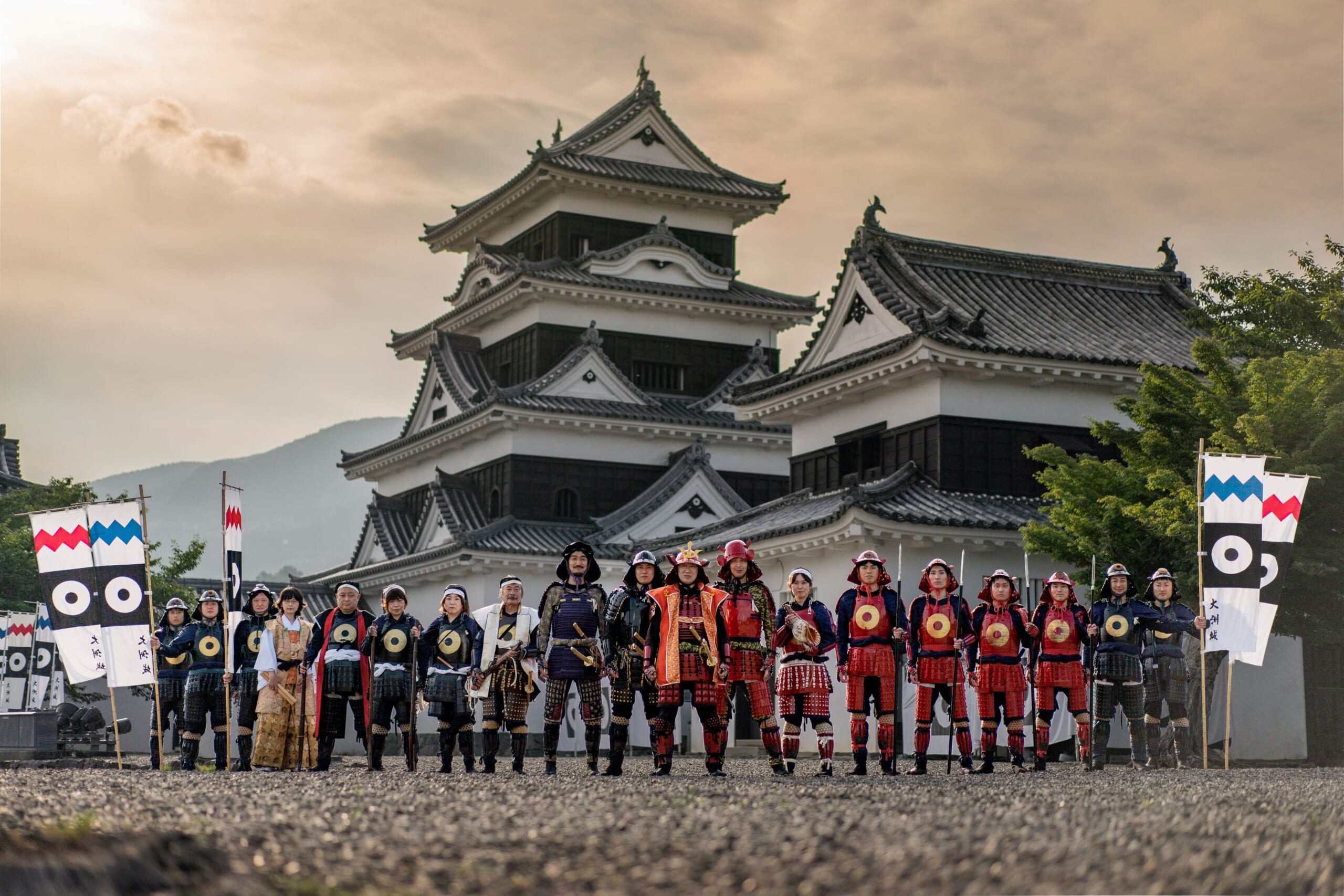
Experiences such as overnight stays in the castle are designed not simply as opportunities to “see” historical sites, but as ways to immerse visitors in the region’s history and culture through lived experiences. By involving local residents, cultural organizations, and regional storytellers, the city has transformed its heritage into narrative-driven experiences that can only be found in Ozu itself.

Chapter.02 The Challenge Facing Dogo Onsen: How a Mature Tourism Destination Can Achieve Renewed Growth
Unlike Ozu, Dogo Onsen has long been one of Japan’s most well-known tourism destinations. However, recognition alone is no longer enough to maintain a competitive advantage.
As travel options continue to expand for both domestic and international visitors, simply being a famous destination no longer guarantees that travelers will choose to visit. For mature tourism destinations, the central challenge has become how to evolve from being “a place people have already visited” into “a place people want to return to.”
The initiatives led by Chairman Miyazaki, whose Hoso Hotel group operates multiple accommodations including Dogo Miyu, can be seen as a direct response to this challenge.
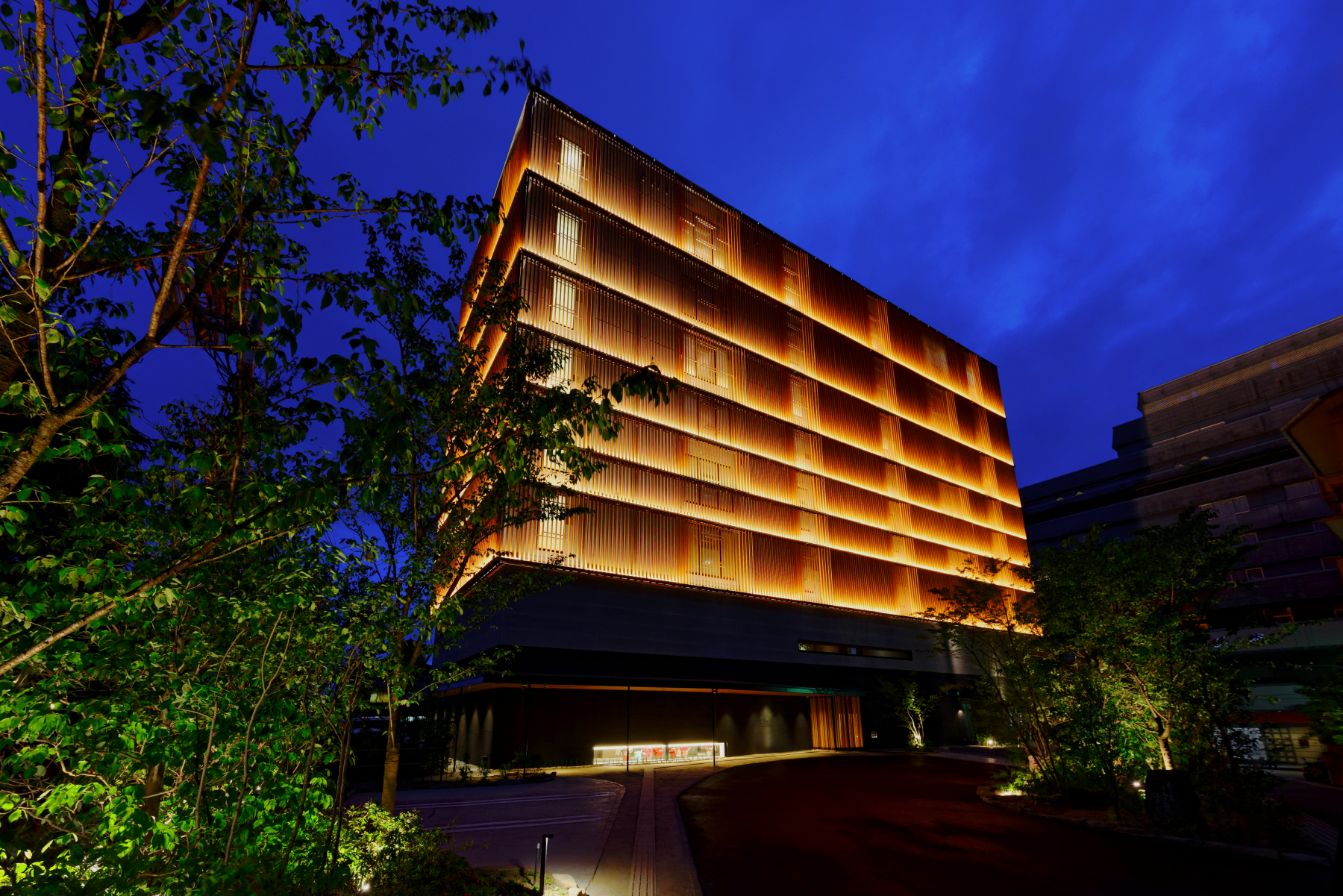
The group has deliberately moved away from the traditional large-group ryokan model and shifted toward accommodation experiences designed for individual travelers and affluent international guests.
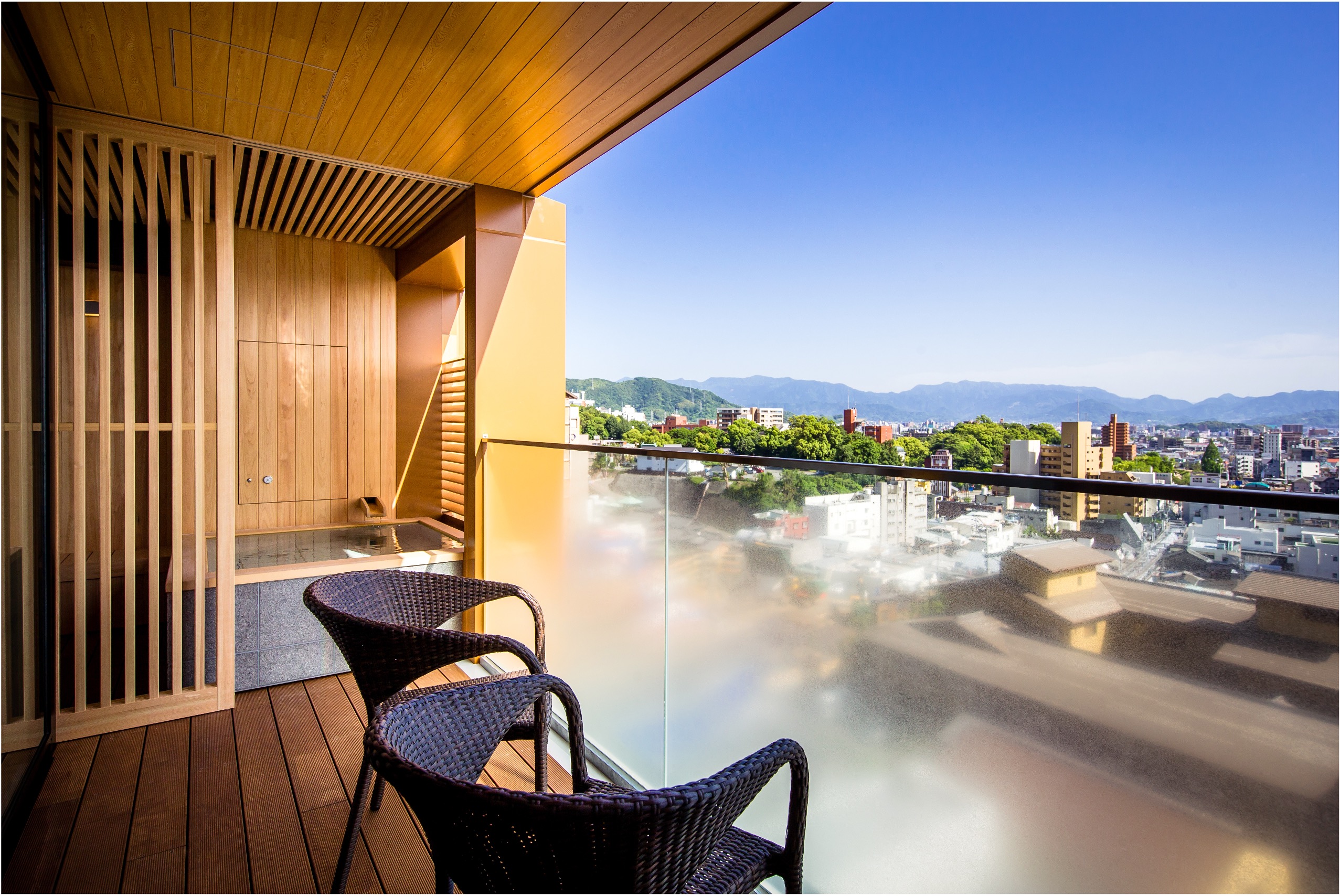
One symbolic example is the decision to equip every guest room with a private open-air bath. This was not simply an attempt to create a more luxurious experience, but rather a response to the travel behaviors and preferences of visitors from Europe, North America, and Oceania. For travelers unfamiliar with Japan’s communal bath culture, private baths allow them to experience Japanese onsen culture in a more accessible and comfortable way.
Similarly, the design philosophy avoids overly stylized or exaggerated “traditional Japanese” aesthetics, instead balancing comfort with subtle elements of Japanese culture.
The group has also diversified its accommodations according to different travel needs — including high-value facilities for individual travelers and properties designed for solo guests — allowing the wider hot spring area to welcome a broader range of visitors.
The key point here is that the focus is not simply on strengthening a single facility, but on designing the destination as an ecosystem capable of supporting diverse travel experiences across the entire region.
Another defining characteristic of Dogo Onsen’s approach is that it extends beyond upgrading accommodations themselves to improving the destination’s overall visitor environment.
Infrastructure such as intuitive transportation systems, cashless payment compatibility, Wi-Fi accessibility, and comfortable walkability throughout the town are all treated as essential components directly tied to visitor satisfaction.
In practice, many international travelers experience their first frustrations immediately after arriving in Japan — whether through transportation confusion or payment difficulties. Improving these aspects enhances convenience not only for overseas visitors, but for Japanese travelers as well.
In this sense, Dogo Onsen does not view inbound tourism measures as something separate or exceptional. Instead, they are positioned as broader efforts to elevate the overall quality of the travel experience for everyone.
The destination’s promotional strategy reflects a similar philosophy.
Rather than relying on short-term overseas marketing campaigns, Dogo Onsen emphasizes long-term relationship building. In markets such as Taiwan, the region has steadily cultivated brand recognition through ongoing exchanges and partnerships with local travel agencies. At the same time, organically generated word-of-mouth recommendations from foreign residents and international students living in Japan are also viewed as an important part of the destination’s communication strategy.
In many ways, while Ozu represents a model for “building new tourism structures,” Dogo Onsen represents a model for “evolving an established tourism brand.”
A Shared Perspective: Designing Tourism as a Flow of Value
Although Ozu and Dogo Onsen began from very different starting points and face different challenges, they share an important common perspective: tourism is treated not simply as a way to attract visitors, but as a system through which value circulates throughout the region.
In Ozu, the act of walking through the town itself is designed to generate economic activity. In Dogo Onsen, the focus is on increasing the value of longer stays through both accommodation experiences and improvements to the surrounding environment.
In both cases, the emphasis is not merely on “what to show visitors,” but on “how visitors spend their time.”
This perspective becomes even more evident in the following examples involving the Shimanami Kaido and WAKKA. Using cycling as the entry point, these initiatives create mechanisms that encourage wider regional exploration, longer stays, and deeper engagement with local communities — a compelling example of tourism designed to generate value across entire regions rather than within isolated destinations alone.
Chapter.03 Building a Region-Wide Tourism Economy Through Cycling
The Shimanami Kaido and WAKKA: Designing Wide-Area Tourism Through Connected Experiences
So far, we have explored how tourism in Ehime Prefecture is being redesigned as a “flow” rather than a collection of isolated attractions. The Shimanami Kaido region — along with the initiatives of WAKKA — represents an even more dynamic example of this approach in practice.
What makes the Shimanami Kaido successful is not simply that “cycling is popular.” Rather, cycling serves as the entry point into a much broader ecosystem that connects regional circulation, accommodations, local spending, experiential tourism, and even long-term relocation and settlement.
This ability to create economic value across an entire region — rather than through a single destination or attraction — forms another core element of what could be called the “Ehime model.”
Expanding a Single Cycling Route into a Destination People Want to Revisit
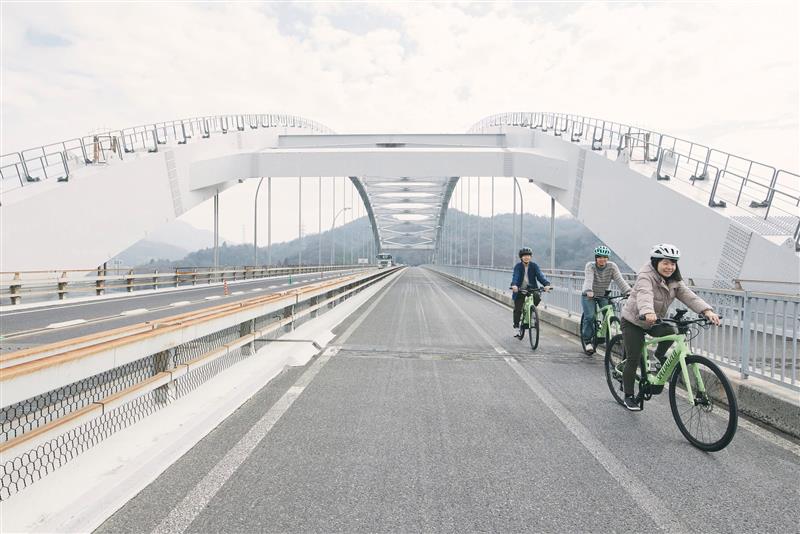
The Shimanami Kaido is internationally known as a roughly 70-kilometer cycling route connecting Onomichi and Imabari.
However, its true value lies not only in the main route itself. When surrounding island loops and related cycling routes are included, the overall network extends to approximately 250 kilometers, creating a structure in which visitors can enjoy entirely different experiences each time they return.
This design naturally encourages repeat visitation and longer stays.
Experienced cyclists return to explore alternative routes, while international travelers often spend two or three nights traveling between islands. In other words, the Shimanami Kaido is not designed as a pass-through sightseeing destination, but as an area intentionally structured around extended stays and repeat visits.
Supporting this system is the wide-area management approach led by Shimanami Japan.
Working in collaboration with municipalities such as Imabari, Onomichi, and Kamijima, the organization integrates specialists in tourism, marketing, operations, and data analysis to manage rental cycles, promotions, and visitor information as a unified regional system.
The rental cycle network itself functions not merely as a tourism service, but as critical regional infrastructure.
With approximately 2,200 bicycles and multiple rental hubs, the system lowers barriers for beginners and international visitors alike while simultaneously generating valuable usage data that helps visualize movement patterns throughout the region.
Analysis of GPS and reservation data reveals which routes are being used, where visitors spend time, and which locations are attracting attention. It can even track behaviors such as how long visitors stop on bridges or gather in areas outside traditional tourist facilities.
These insights help uncover previously overlooked regional assets and support more effective decision-making for future tourism initiatives.
In this sense, the project represents a leading example of digital transformation in tourism — not simply through digitization itself, but through the simultaneous rediscovery of regional resources and the advancement of data-driven regional management.
How Inbound Tourism Is Beginning to Reshape Regional Structures
Another defining characteristic of the Shimanami Kaido is the composition of its inbound visitors.
Compared with many other destinations in Japan, the region attracts a particularly high proportion of travelers from Europe, North America, and Oceania, especially from Australia and various European countries. When viewed relative to population size, several European nations rank among the region’s strongest inbound markets alongside Asian countries.
This trend reflects the strong compatibility between the Shimanami Kaido experience and lifestyle cultures centered around cycling and outdoor recreation — something that cannot be explained simply by geographic proximity.
The contrast is particularly visible in the case of South Korea. Although South Korea sends large numbers of travelers to Japan overall, fewer than 1% of Shimanami Kaido users are Korean, largely because cycling is less deeply rooted in mainstream leisure culture there.
This demonstrates the importance of understanding inbound tourism not as a single category, but through the cultural characteristics and lifestyle preferences of individual markets.
The way awareness spreads is also distinctive.
Rather than relying heavily on large-scale advertising campaigns, the region benefits significantly from organic exposure through word-of-mouth recommendations, social media, and YouTube content. Travelers share their own experiences online, inspiring future visitors to make the journey themselves.
In many ways, this reflects the fact that the Shimanami Kaido possesses what could be described as “self-explanatory experiential value.”
The beauty of the scenery and the exhilaration of cycling are immediately understandable through photos and videos alone. As a result, the experience itself naturally functions as a form of marketing, without requiring excessive promotion or artificial storytelling from the destination side.
Chapter.04 How WAKKA Creates the Infrastructure That Makes Regional Travel Possible
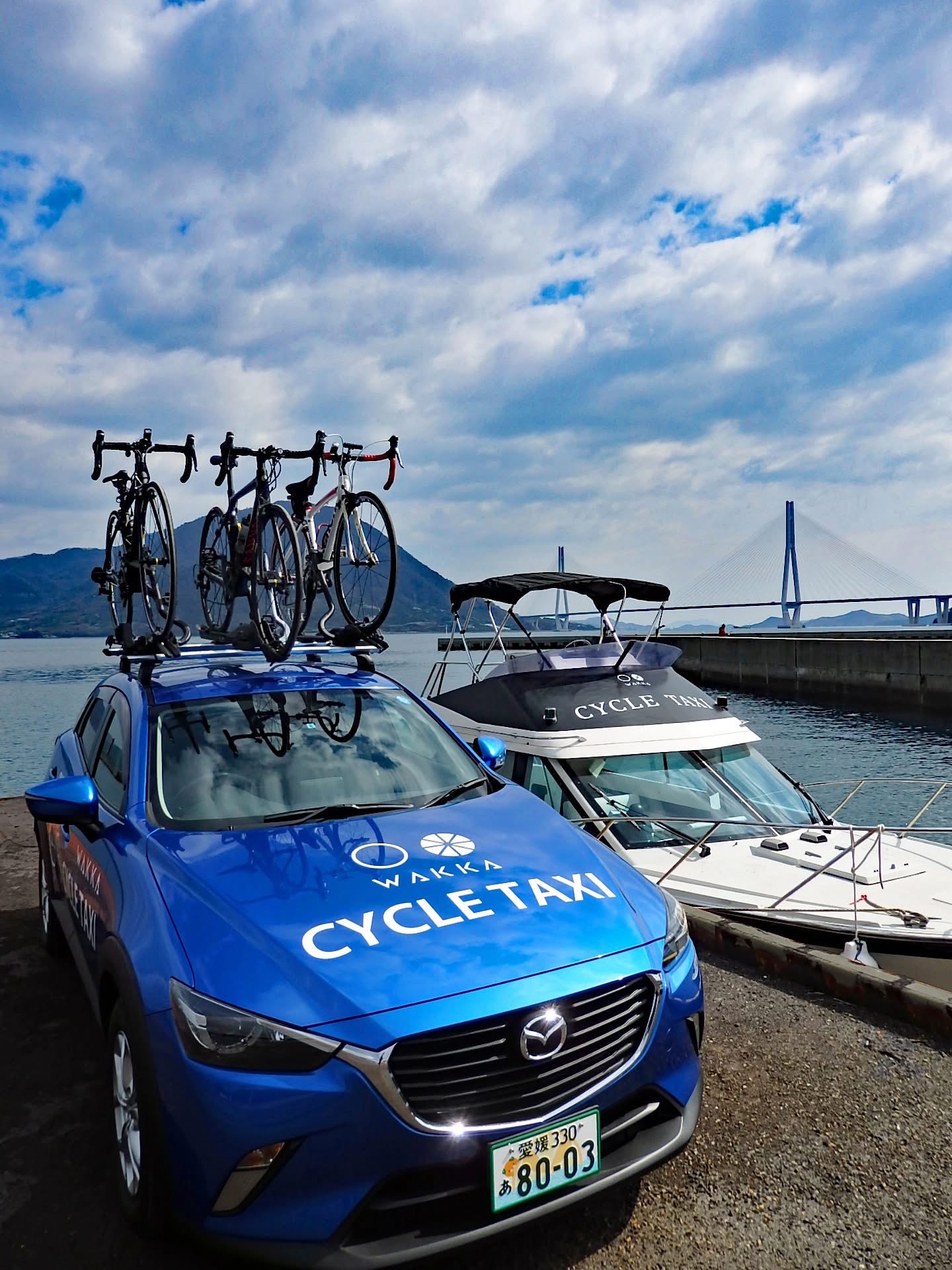
One of the organizations turning the Shimanami model into a fully realized travel experience on the ground is WAKKA.
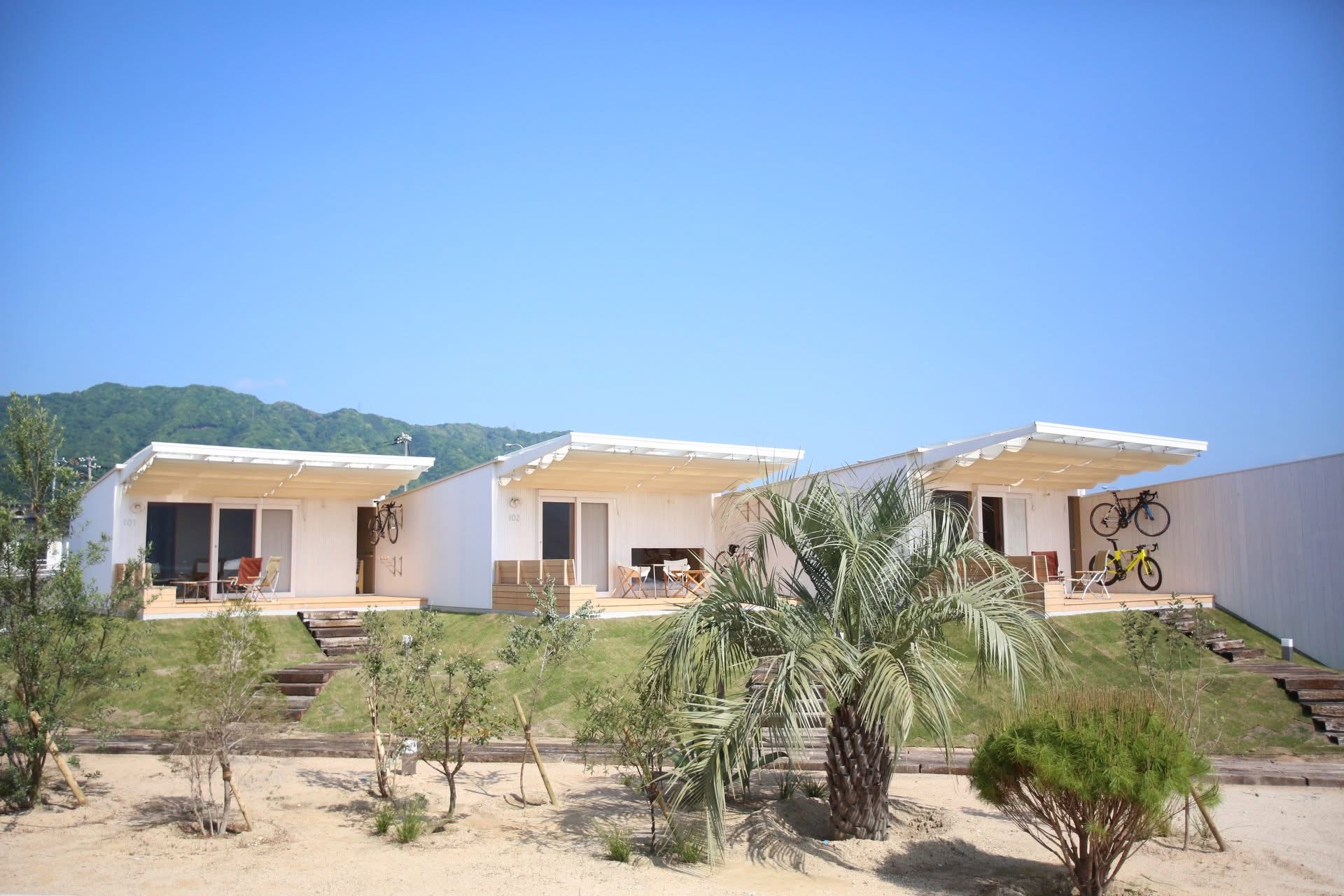
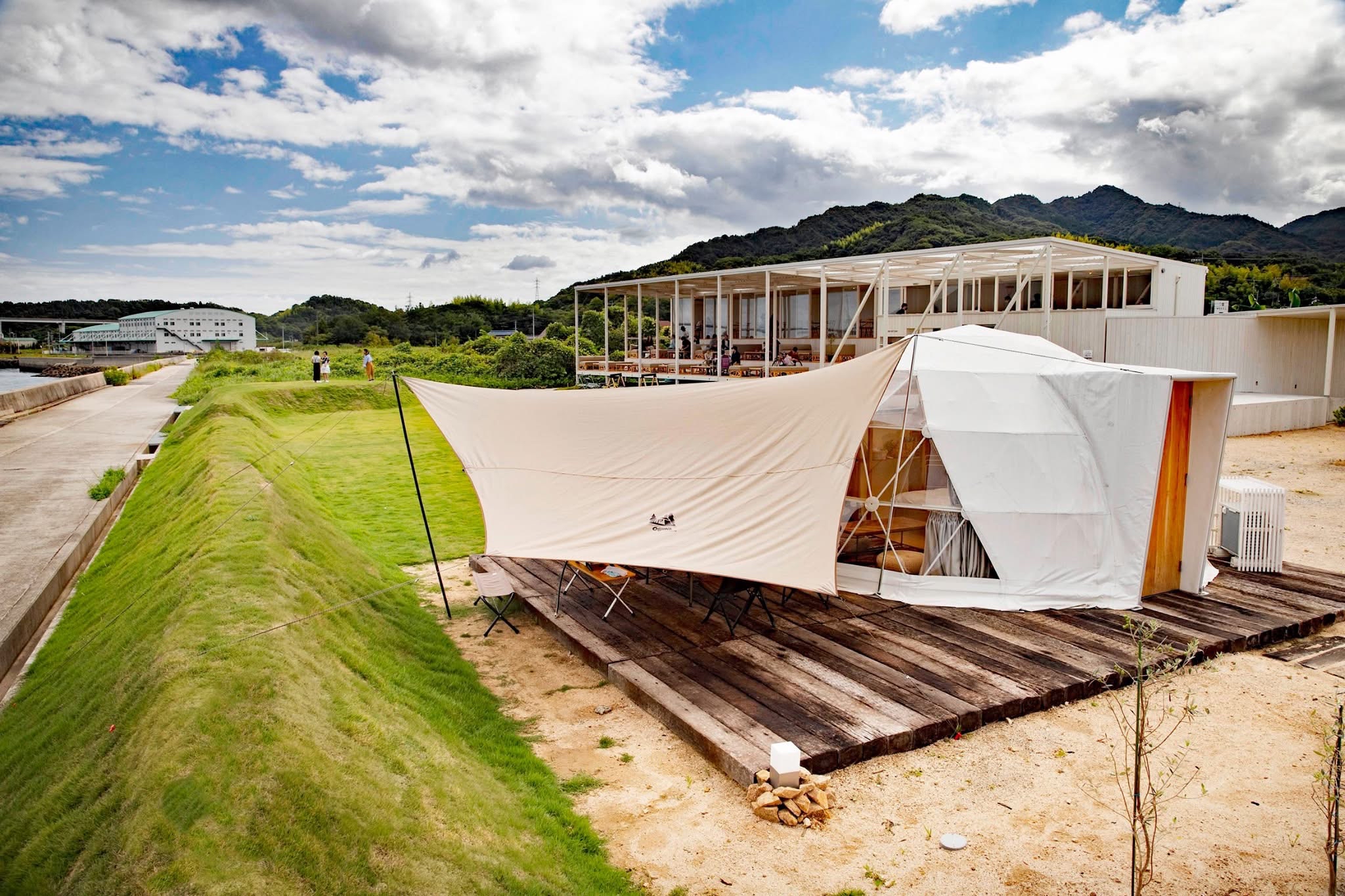
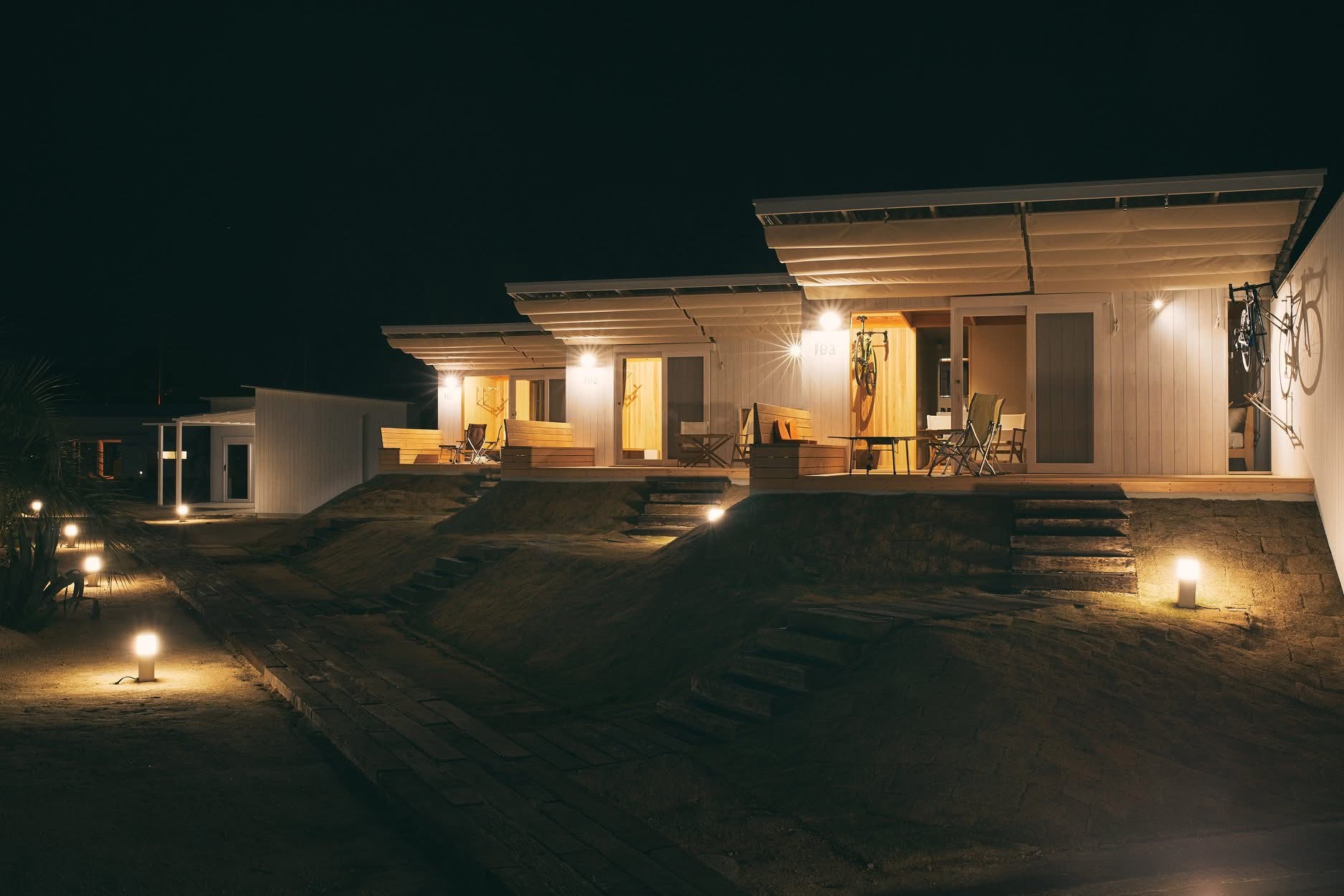
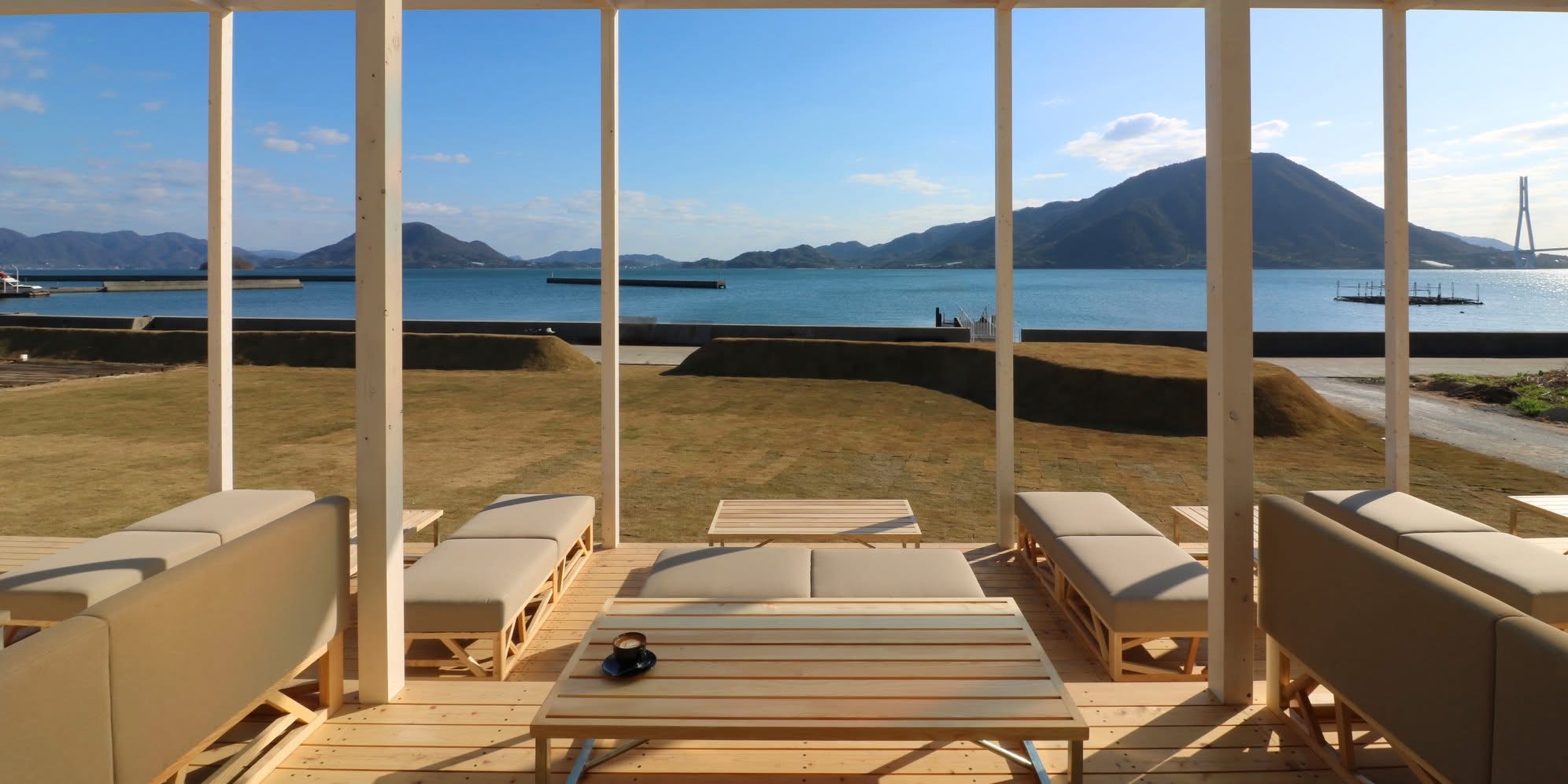
WAKKA is designed not simply as an accommodation facility, but as a hub that consolidates the functions travelers need throughout a cycling journey.
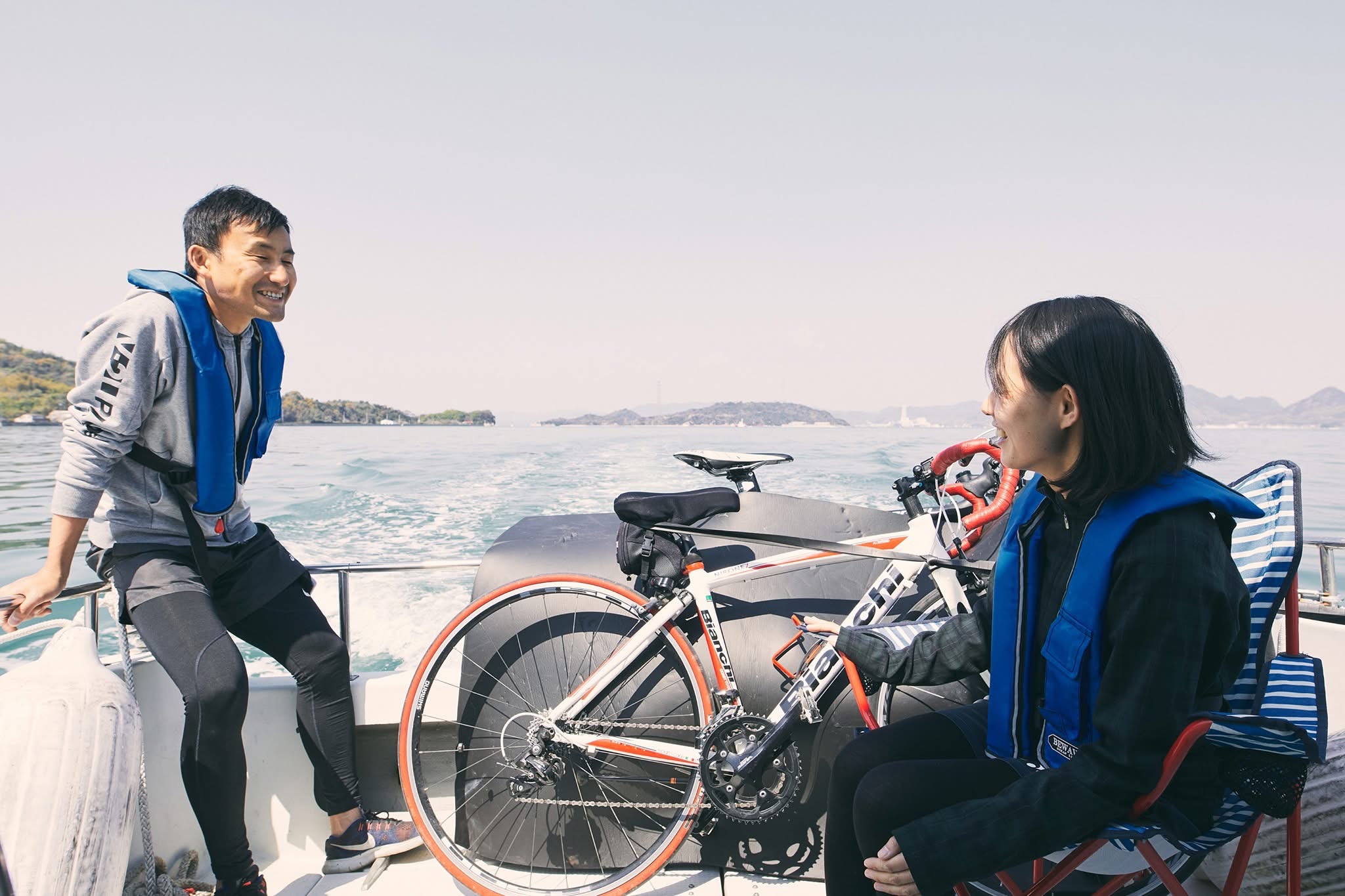
By combining accommodations, bicycle rentals, luggage transport, activities, cafés, showers, and laundry facilities, the company reduces many of the inconveniences and anxieties travelers face along the route. This is especially important for independent international travelers, who often encounter challenges related to route planning, scheduling, transportation, meals, and baggage management. Solving these issues one by one can dramatically shape the overall quality of the travel experience.
What makes WAKKA particularly distinctive is that it becomes involved long before travelers actually arrive.
The company carefully supports visitors during the trip-planning stage itself. When responding to inquiries in English, staff provide highly personalized itinerary suggestions that take into account factors such as physical fitness, age, group size, and dietary restrictions. By eliminating uncertainty before the trip begins, this planning process itself becomes part of the overall experience value and naturally leads to reservations and customer trust.
Importantly, the company does not attempt to convert every inquiry directly into its own revenue.
In some cases, WAKKA recommends other accommodations or services if they are better suited to a traveler’s needs. Yet rather than weakening customer relationships, this approach often strengthens trust and creates the feeling that “this is a place we can rely on,” ultimately generating repeat visits and word-of-mouth recommendations.
Designing “Space” Within the Travel Experience
Another defining characteristic of WAKKA’s approach is that it intentionally avoids over-scheduling experiences.
According to the company, travelers from Europe, North America, and Oceania often prefer journeys that leave room for personal discovery, rather than tightly managed itineraries packed with activities.
As a result, itineraries are designed with flexibility and spare time built in, allowing opportunities for detours, spontaneous encounters, and unexpected discoveries.
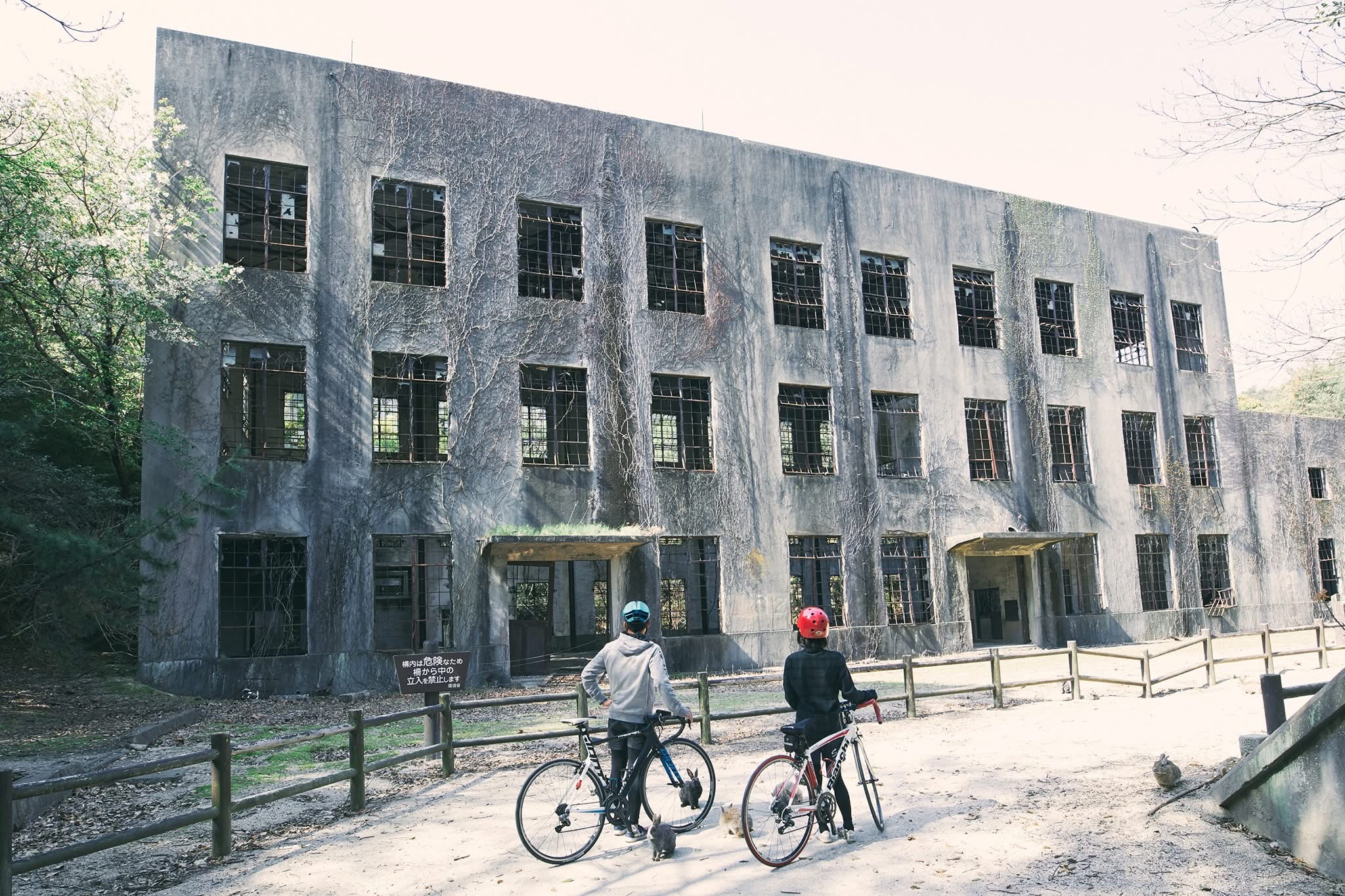
In the Shimanami Kaido region, simple interactions with local residents or unplanned stops inspired by the scenery frequently become some of the most memorable moments for international visitors.
Particularly meaningful is the region’s culture of osettai — the local custom of offering small acts of hospitality to travelers, such as giving them mandarins or simply striking up friendly conversations.
For overseas visitors, these spontaneous interactions often become deeply memorable experiences precisely because they are not staged for tourism purposes. They emerge naturally from everyday local life, and that authenticity leaves a lasting impression.
Rather than artificially manufacturing such moments, WAKKA focuses on creating the conditions in which they are more likely to occur naturally.
This approach generates a form of satisfaction fundamentally different from excessive or highly scripted hospitality.
From “Attracting Visitors” to “Creating Regions People Continue Engaging With”
Across all four examples from Ehime Prefecture, one common perspective emerges: tourism is viewed not merely as a tool for attracting visitors, but as a mechanism for transforming regional structures themselves.
In Ozu, vacant houses and historical assets have been repurposed to create an economic system distributed across the entire town. In Dogo Onsen, an established tourism destination is being redesigned for the next generation while building on its existing strengths. Shimanami Japan uses cycling as a catalyst for wide-area tourism and extended stays, while WAKKA brings those experiences to life on the ground for travelers themselves.
What all of these initiatives share is a shift in focus away from “what exists” toward “how people spend their time.”
The value of a tourism destination is no longer determined solely by the number of attractions or the fame of its resources, but by how those elements are connected and transformed into meaningful experiences.
In many ways, regional tourism competition is shifting away from the scale or recognition of individual resources and toward the quality of experience design and the ability to integrate entire regions into cohesive systems.
The initiatives emerging across Ehime offer a practical model demonstrating exactly that.
What these examples ultimately reveal is that the true strength of regional tourism does not lie simply in the abundance of local resources, but in how those resources are connected and designed as part of a larger flow that shapes visitor experiences and regional economic impact.
Tourism is evolving from something intended merely to “bring people in” into something designed to “create regions people continue engaging with over time.”
How regions realize that transition may become one of the defining challenges of the future.
Written by Yoshiyasu Suzuki
Interviews conducted on February 2 and 3, 2026
Please note that the information in this article is accurate as of the interview dates.