


From Sunagawa, Hokkaido to the World: How SHIRO Is Building a Global Beauty Brand Through Regional Co-Creation and Sustainable Growth
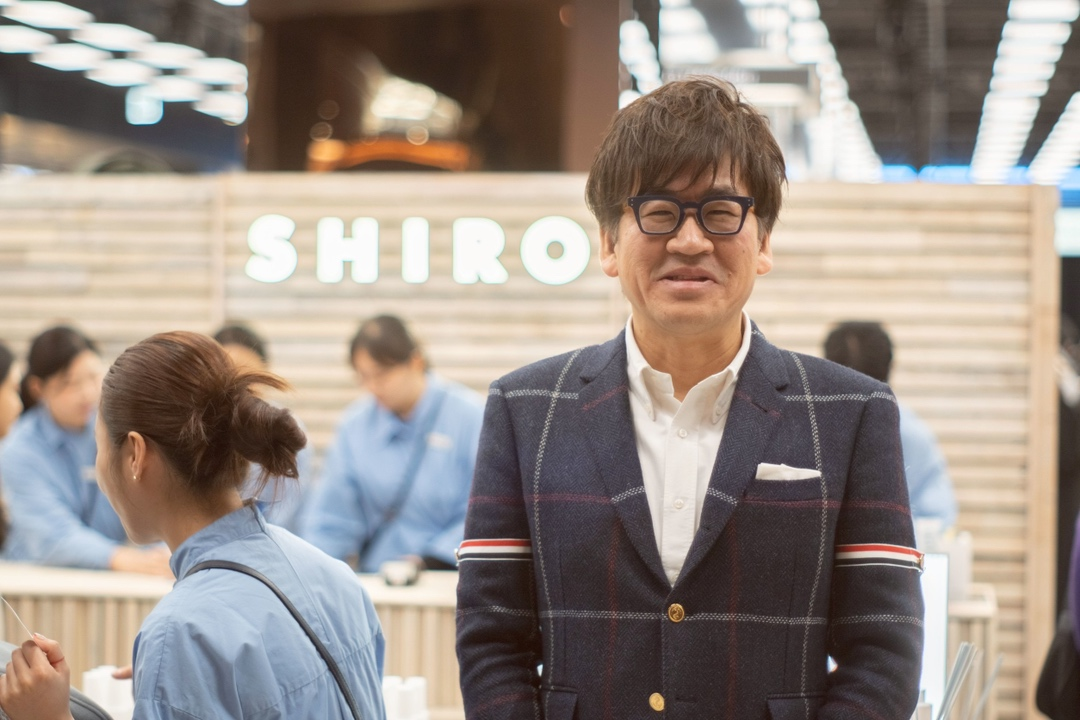
SHIRO is a cosmetics brand that continues to captivate customers in Japan and around the world through products crafted from natural ingredients sourced across the country. Originally launched in 2009 in Sunagawa under the name “Laurel,” the brand was renamed “shiro” in 2015 and later evolved into “SHIRO” in 2019 as part of its global expansion strategy.
Driven by founder Hiroe Imai’s passion for cosmetics craftsmanship and the management leadership of President and CEO Takahiro Fukunaga — who joined the company in 2014 after a career at Recruit Holdings — the company has steadily expanded into markets including the United Kingdom, Taiwan, and South Korea.
Today, SHIRO’s vision extends beyond simply growing internationally. The company is now focused on a form of globalization rooted in regional co-creation and localization — sharing the essence of the brand while building meaningful connections with local communities around the world.
Chapter.01
The Management Behind the Founder’s Passion
Why SHIRO’s Craftsmanship Continues to Inspire Loyal Fans
SHIRO’s approach to product creation began with founder Hiroe Imai’s simple yet deeply personal philosophy: creating products that “we genuinely want to use every day ourselves.”
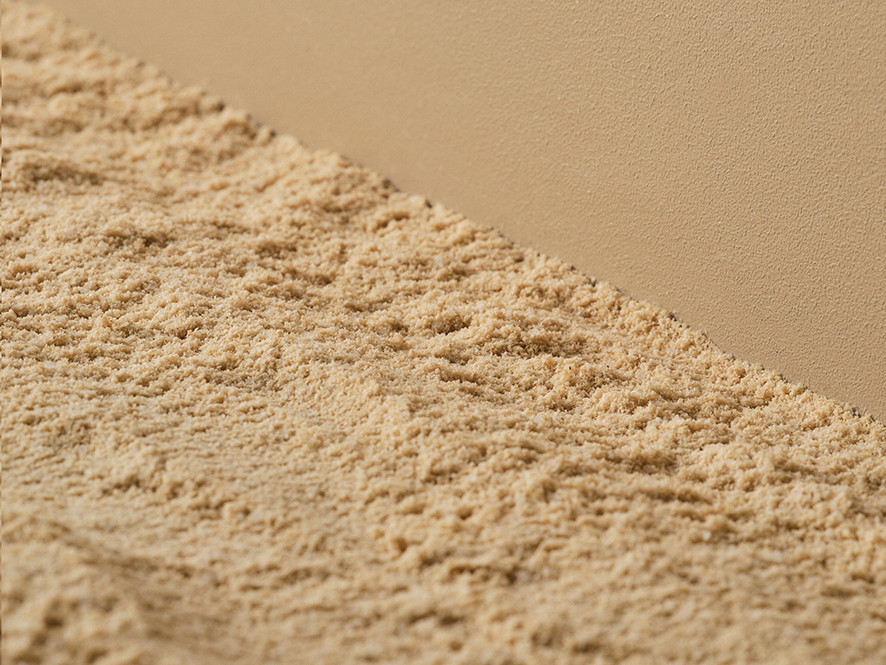
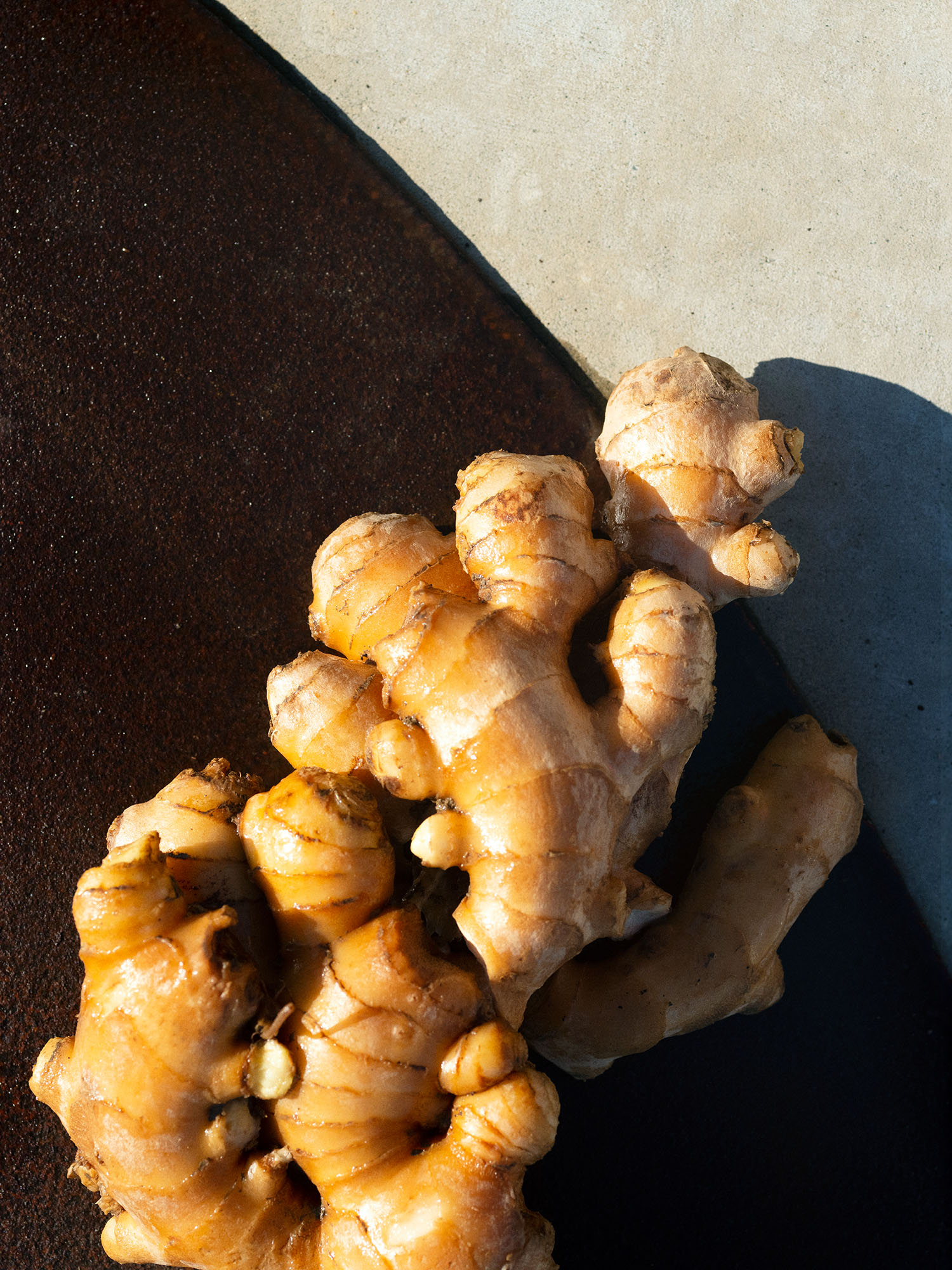
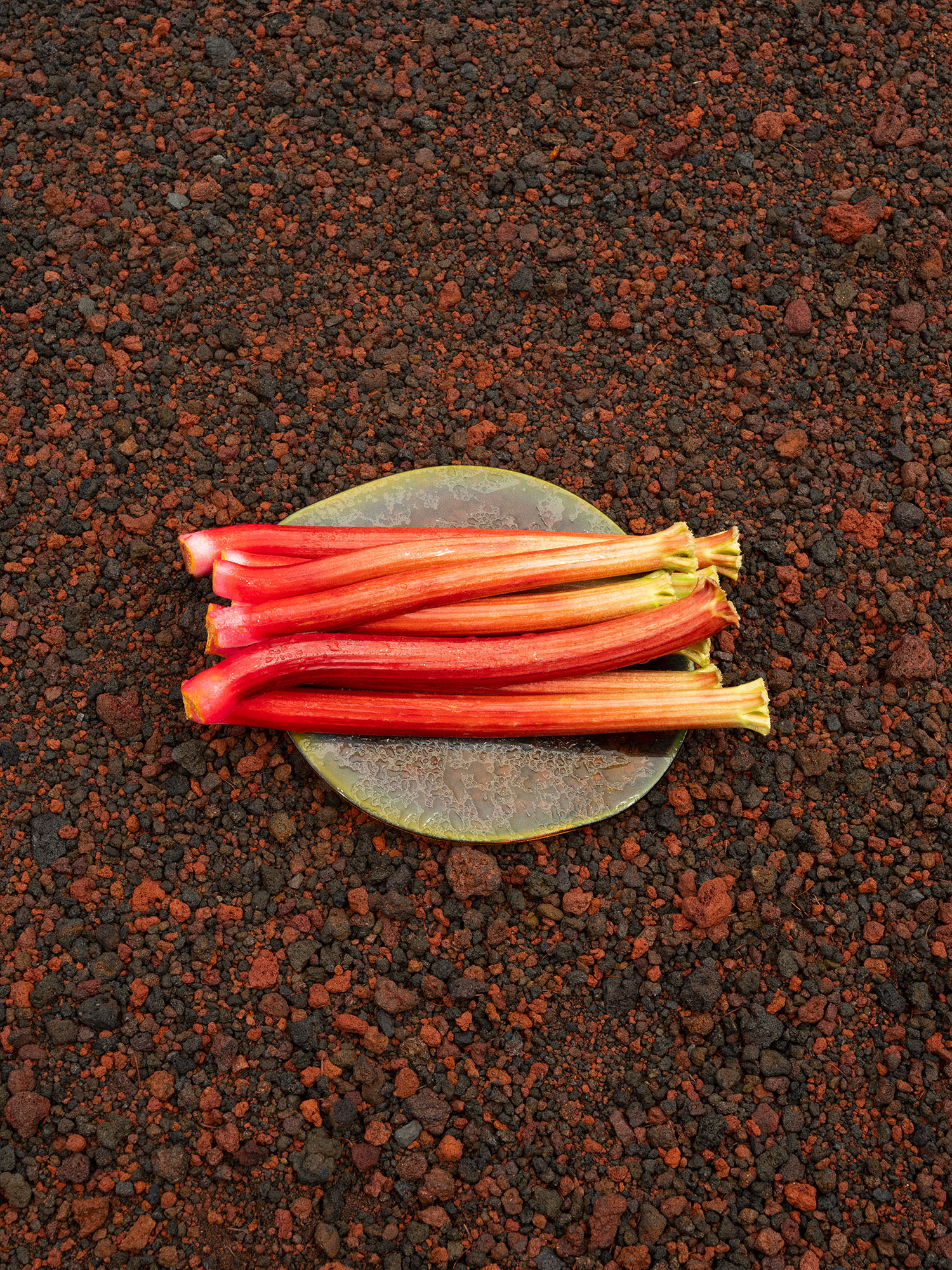
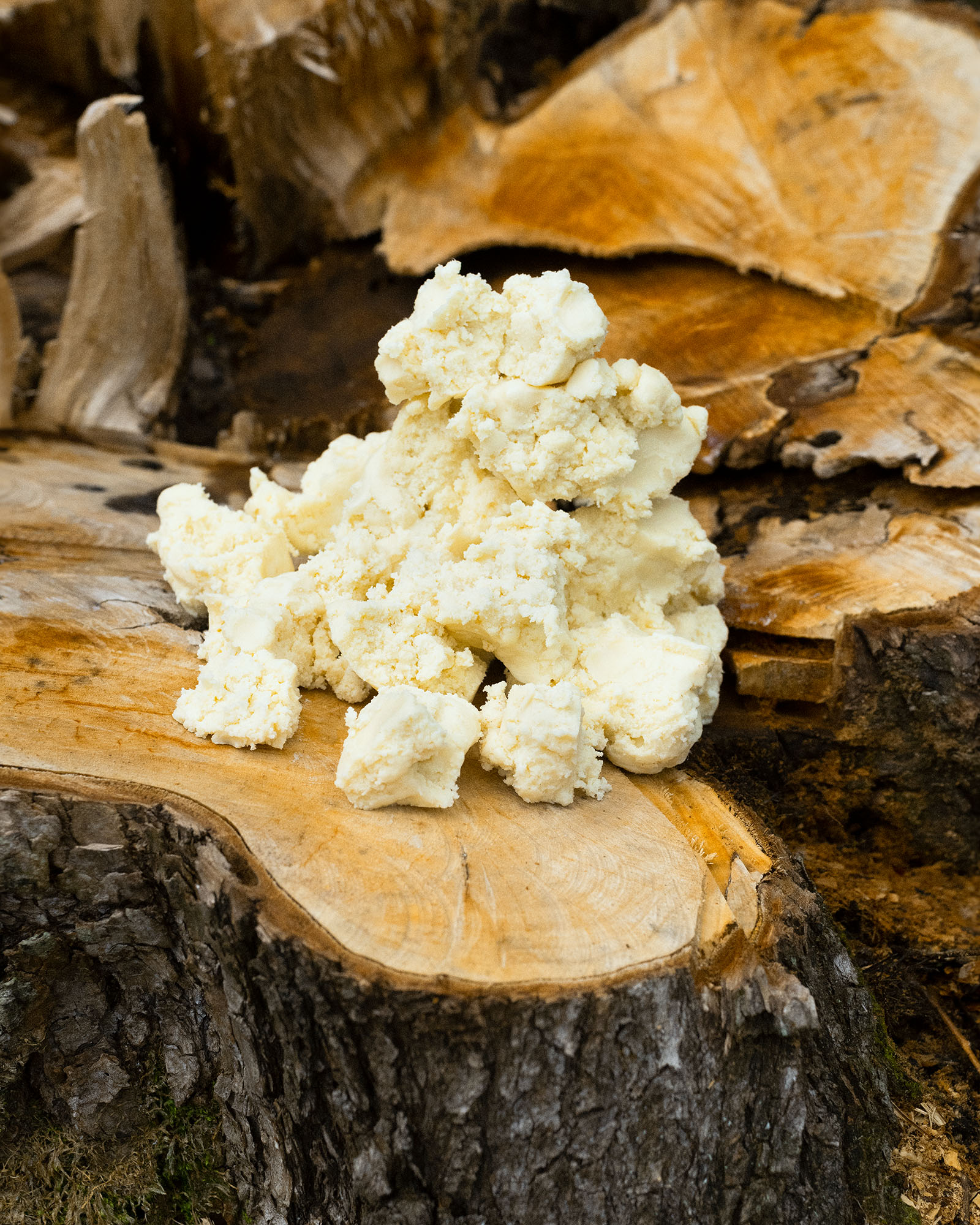
The brand carefully selects natural ingredients sourced from regions across Japan — sake lees from Kuriyama, rare gagome kelp harvested near Hakodate, giant butterbur from Ashoro, and Kiito yuzu from Naka. These ingredients are valued not only for their effectiveness in cosmetics, but also because they embody the climate, culture, and livelihoods of the regions they come from.
As a result, SHIRO has established a unique position as a premium cosmetics brand built around close relationships with producers and a strong commitment to sustainability.
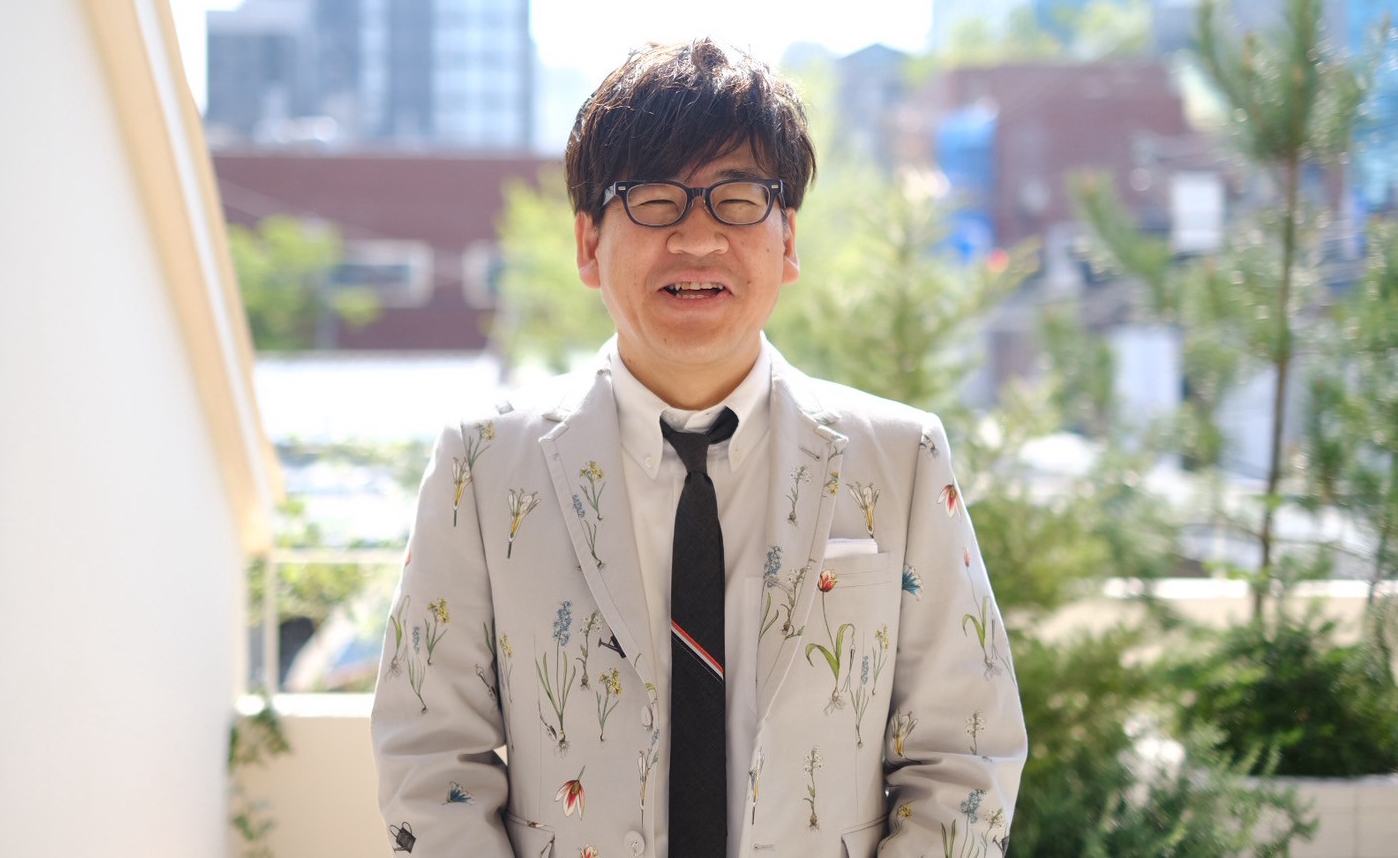
In this interview, President and CEO Takahiro Fukunaga describes founder Imai as someone who “doesn’t think in terms of calculating profits on an abacus.”
While most cosmetics companies develop products based on cost structures and sales forecasts, SHIRO begins instead with ingredients and inspiration. Only after a prototype is completed does Imai reportedly ask, “So, how much did this actually cost?”
Even so, Fukunaga says the two have never fundamentally clashed over the brand’s philosophy or approach to product development. This unconventional process, he believes, is precisely what gives SHIRO products their unmistakable sense of authenticity.
Fukunaga first met Imai in 2003 while working at the Hokkaido branch of Recruit Holdings. At the time, leaving the company at a relatively young age was common, but many employees lacked a compelling vision for what would come next.
“I wanted to hitch myself to her dream,” Fukunaga recalls — a phrase that reflects how deeply he was inspired by Imai’s passion and her ambition to build a globally recognized brand.
When he joined the company, the organization had only around 40 employees. Through the balance between Imai’s creative vision and Fukunaga’s management leadership, SHIRO steadily grew into the brand it is today.
Interestingly, SHIRO has deliberately rejected many of the conventional growth strategies commonly associated with the cosmetics industry. The company has avoided mass advertising campaigns, large-scale press events, wholesale distribution, and even common promotional tactics such as free sample giveaways or point-based loyalty programs.
Instead, SHIRO has prioritized preserving authentic relationships and protecting the integrity of the brand’s worldview — even if that meant sacrificing faster growth. The company places equal importance on its relationships with producers, local communities, customers, employees, and every stakeholder connected to the brand.
For example, the lotion made with sake lees from a brewery in Kuriyama uses ingredients sourced exclusively from that single brewery. Because the sake lees are produced only once a year, shortages sometimes occur. Even then, SHIRO refuses to seek alternative suppliers.
Fukunaga explains that switching suppliers would risk turning what the company has always valued — supporting and nurturing local communities — into something merely short-term and transactional.
That philosophy is deeply reflected in SHIRO’s relationship with its customers.
As a result, the brand has cultivated an exceptionally loyal fan base. Even when products temporarily sell out, customers tend to understand the situation — and in many cases, they find value precisely in that imperfection and authenticity.
Chapter.02
Entering the UK Market Through Trial and Error
Why “Waiting” Became Part of SHIRO’s Brand Strategy
Originally launched under the brand name “Laurel,” SHIRO underwent a major transformation in 2015 when the company changed its name to “shiro.” But the decision was far more than a simple rebranding exercise.
Founder Hiroe Imai believed that if the brand was to continue growing over the next 10 or 20 years, it needed a name she could feel personally and emotionally connected to. At a time when brand recognition was finally beginning to grow, she made the bold decision to change the name entirely.
The name she chose was “shiro” — combining “hiro” from her own name, Hiroe, with the letter “s,” representing the initials of her two sons. In many ways, it symbolized her commitment to pouring both her personal identity and her family’s future into the brand itself. Much like many European luxury houses named after their founders, the decision reflected a desire to create something enduring — a brand built to carry timeless values across generations.
Later, in 2019, after gaining greater confidence in the company’s overseas expansion, the brand evolved once again into “SHIRO.” According to the company, the shift from lowercase to uppercase better conveyed the brand’s growing presence and global ambitions.
President and CEO Takahiro Fukunaga says the company had always planned to expand into three key markets from the beginning: the United Kingdom, France, and the United States.
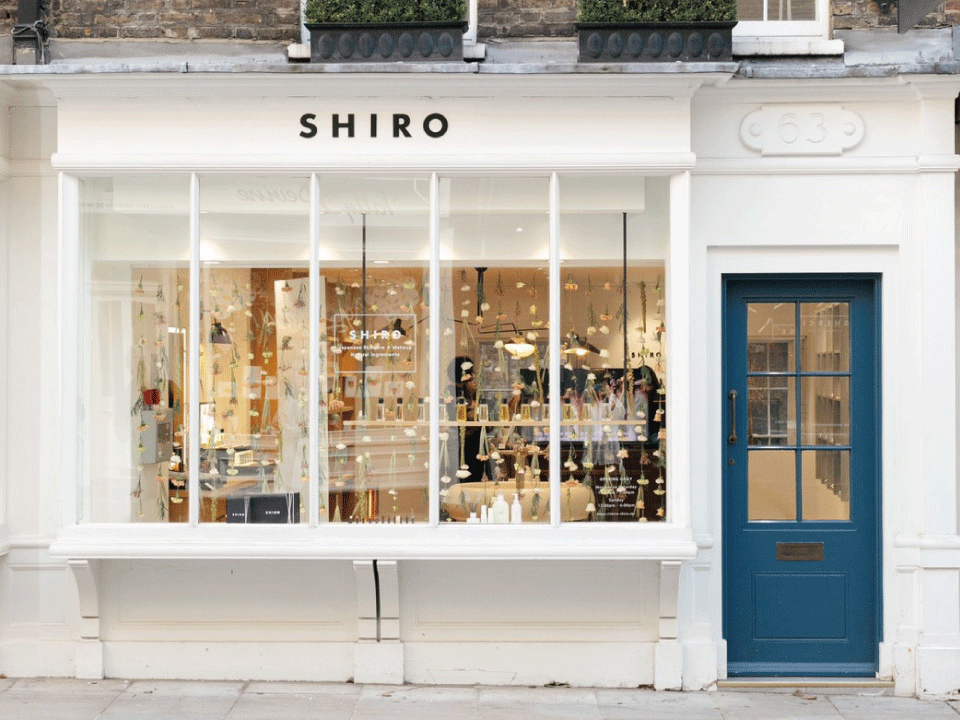
In 2016, SHIRO opened its first overseas store on King’s Road in London.
The UK was chosen first because it had produced globally recognized local brands such as Neal’s Yard Remedies, The Body Shop, and Lush.
At the time, however, the company had no knowledge of opening stores in London and no local business connections. Fukunaga and Imai rented bicycles and rode around the city themselves, searching for promising storefronts with “For Rent” signs. They would photograph properties during the day and email real estate agencies at night. Most responses were dismissive, but they persisted. When local construction schedules fell behind, they even manufactured all the store fixtures in Japan and shipped them to London, refusing to compromise on the quality of the retail experience.
“It’s been almost ten years since then,” Fukunaga says, “but in reality, our UK store has never once generated sales exceeding its annual rent.”
He laughs while describing the business as growing only gradually “while crawling along the bottom,” but in fact, this willingness to patiently “wait” has become an important part of SHIRO’s long-term brand strategy.
“We’re the type of company that waits for the right connections,” Fukunaga explains.
As an example, he points to the company’s relationship with Japanese department stores. Rather than aggressively pursuing partnerships, SHIRO waited until Isetan — Japan’s top cosmetics-performing department store — approached them first.
When the company is not yet strong enough, Fukunaga says, there is little value in forcing aggressive expansion. Instead, SHIRO prioritizes waiting for the right partners and customers who genuinely align with the brand’s values. Once again, the company chooses long-term brand value over short-term revenue growth.
Among the company’s original three target markets, the United States temporarily withdrew during the COVID-19 pandemic, while France remains a market where, in Fukunaga’s words, “the right connection has not yet arrived.”
Meanwhile, SHIRO has taken a different approach across Asian markets.
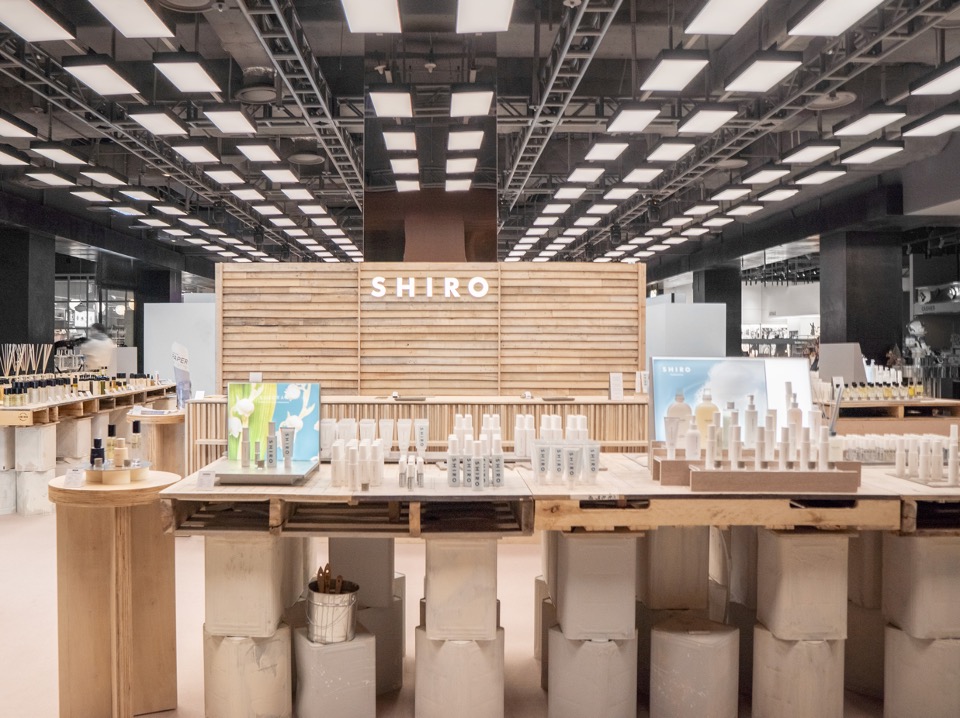
In South Korea, despite recognizing the market as highly competitive, the company spent years carefully evaluating potential partners before entering. That patient approach ultimately paid off. Once the business launched, the response exceeded expectations, and the company found that SHIRO’s commitment to carefully sourced natural ingredients strongly resonated with highly design- and quality-conscious Korean consumers.
The brand currently operates one store in Taiwan, while in China it sells through an official store on Tmall Global. The company is also planning to open in Hong Kong in spring 2026.
According to Fukunaga, consumer values differ significantly between regions. In Europe, emotional and narrative value — the story behind how a brand or product came to exist — tends to matter most. In Asia, however, consumers are often more focused on personal and functional value, such as fragrance, effectiveness, and product performance.
Understanding these differences while maintaining the company’s core philosophy — and carefully localizing how the brand is presented in each market — is opening up new possibilities for SHIRO’s global growth.
Chapter.03
Building a Globally Sustainable Business Through Regional Co-Creation
Creating a Model Where Every Stakeholder Can Thrive Together
SHIRO’s partnerships with local communities extend far beyond the scope of conventional corporate social responsibility initiatives. One notable example is the company’s comprehensive regional agriculture revitalization partnership with Naka.
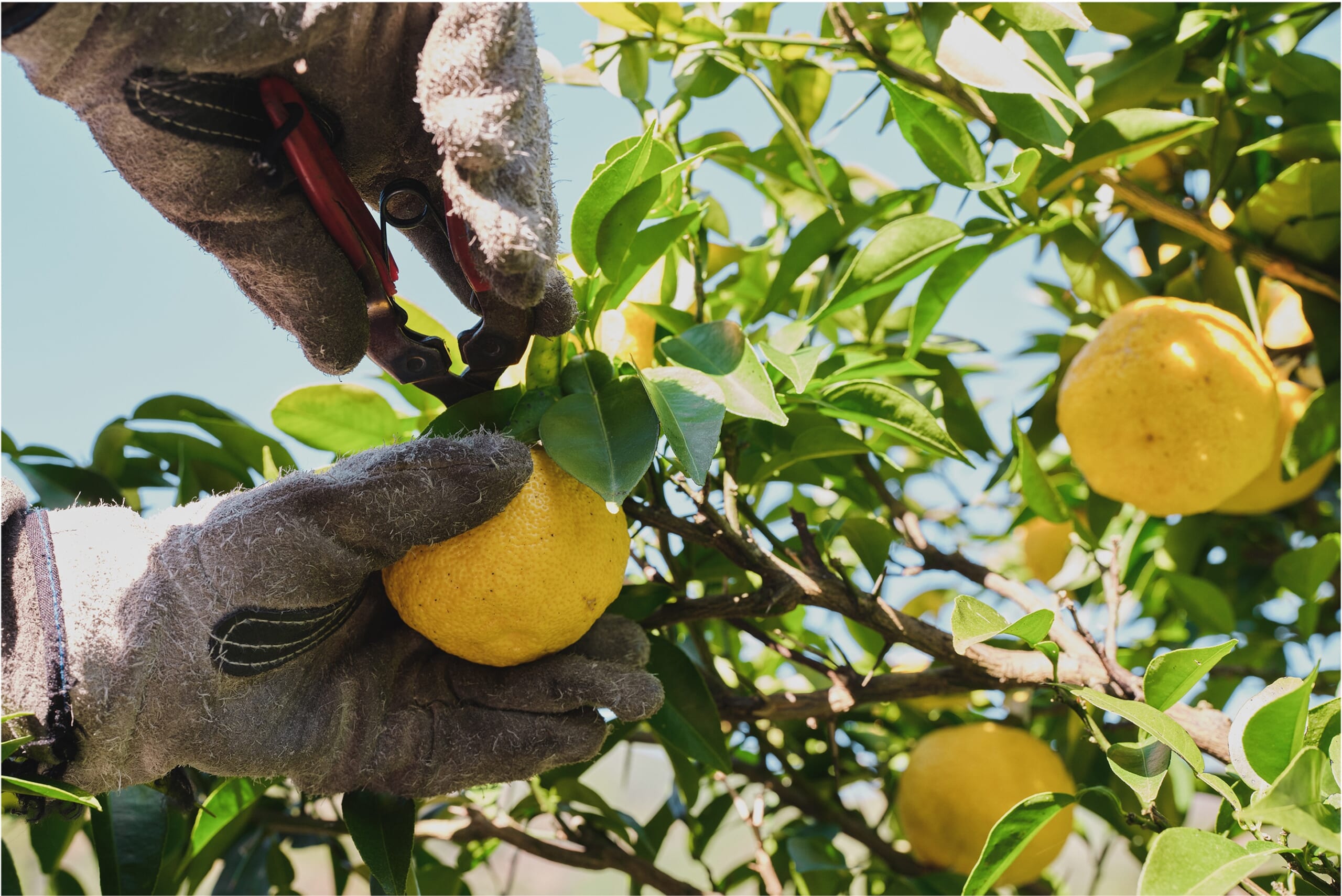
The region is known for producing Kiito yuzu, a citrus fruit grown in an environment with temperature differences reaching nearly 50 degrees Celsius. Even after the heating processes required for cosmetics production, the fruit retains its exceptionally rich fragrance. However, due to climate change and a declining number of farmers, production volumes have been steadily decreasing year by year.
In response, SHIRO committed to providing continuous support over five years through Japan’s corporate hometown tax donation program. The funding is used to support the development of new yuzu farmers and measures to protect crops from wildlife damage.
At the same time, SHIRO products made with Kiito yuzu are offered as return gifts through Japan’s individual hometown tax donation system. As a result, people who choose to donate to Naka receive SHIRO products in return, creating a system in which money circulates back into the local community through multiple channels.
Meanwhile, in Sunagawa — SHIRO’s birthplace and the location of the factory where all of its products are manufactured — the scale of hometown tax donations linked to the brand has reportedly reached a cumulative total of approximately ¥3 billion over the four years since December 2021.
Because all SHIRO products can be offered as hometown tax return gifts, the economic impact on the region is substantial. Similar initiatives are now being implemented across five municipalities, including Sunagawa, Ashoro, Kuriyama, Aibetsu, and Naka in Tokushima Prefecture. These efforts embody a sustainable model in which financial value flows directly back into local communities.
SHIRO’s factory in Sunagawa is called “Minna no Kojō” (“Everyone’s Factory”), and visitors can observe the manufacturing process through glass windows at any time during operating hours. The facility attracts approximately 300,000 visitors annually and also features attractions such as SHIRO CAFE and a fragrance blending lab where visitors can create custom scents.
In addition, in Naganuma, about 64 kilometers from Sunagawa, the company operates MAISON SHIRO, an accommodation facility limited to just one guest group per day.
SHIRO has also taken over operations of the Sunagawa Park Hotel and is currently renovating the property ahead of its planned reopening around January 2027.
Through these initiatives, the company is actively investing not only in its own business growth, but in the revitalization of entire regional communities.

SHIRO also finds value in materials that would otherwise go to waste.
One example is the giant butterbur grown in Ashoro, known locally as Rawanbuki. This oversized plant is prized for its moisturizing properties and is used in products such as SHIRO’s Rawanbuki Face Wash series. Although Rawanbuki is primarily cultivated as a food product, nearly 40% of the harvest is discarded each year due to cosmetic imperfections such as insect damage.
Rather than allowing those ingredients to go unused, SHIRO transforms them into cosmetics. According to the company, overseas audiences are often surprised by the extent to which Japanese craftsmanship and attention to quality begin at the raw ingredient stage itself.
The same philosophy applies to the sake lees sourced from Kuriyama. Because they are produced only once a year, the supply is extremely limited. Although alternative suppliers certainly exist, SHIRO deliberately chooses not to source elsewhere. The company prioritizes its relationship with the specific region and producer above all else, even if that occasionally results in products selling out.
SHIRO is now seeking to apply this regional co-creation model internationally as well.
“In the future, I’d love for us to create cosmetics together with regions facing challenges — places like South Africa, for example,” says Takahiro Fukunaga.
His vision reflects an ambition to become a truly global brand — not by exporting Japanese products alone, but by collaborating with local communities around the world.
The idea is to work with local ingredients and local people while preserving SHIRO’s core philosophy and adapting it to each region’s unique culture and environment. Through this approach, the company hopes SHIRO can become a brand loved globally not because it is “Japanese,” but because it represents a universal commitment to thoughtful craftsmanship and values-driven manufacturing.
SHIRO’s corporate philosophy is “to make the world happier.”
Both founder Hiroe Imai and Fukunaga see cosmetics not as the end goal itself, but simply as a means of achieving that broader mission.
Fukunaga often says that “the Earth is our biggest stakeholder.” That belief is precisely why the company abolished decorative packaging and gift boxes, and introduced charges for shopping bags.
For a department-store cosmetics brand, these decisions were highly unusual. Some customers complained that the shopping experience felt less exciting, while certain department stores even threatened to end their business relationships with the company.
Yet SHIRO chose to act for the sake of the planet despite the potential costs involved. That uncompromising sincerity has become one of the defining characteristics of the brand.
Producers, local communities, customers, and the planet itself — SHIRO aims to build a business model in which all stakeholders can benefit together. For the company, this is not an idealistic concept, but something practiced daily through real business decisions.
The company also has no plans to go public.
“We’d rather invest our resources into what truly matters,” Fukunaga says.
When asked what advice he would give to others pursuing international expansion, his answer is simple:
“First, go and see things for yourself.”
From cycling around London searching for storefronts, to being repeatedly rejected by real estate agents before finally opening a store, the lessons SHIRO learned came through persistence, patience, and refusing to give up while waiting for signs of growth to emerge.
Those are lessons, Fukunaga believes, that can never truly be learned from textbooks alone.
Written by Kikuko Yano
Interview conducted on January 27, 2026
Please note that the information in this article is accurate as of the interview date.