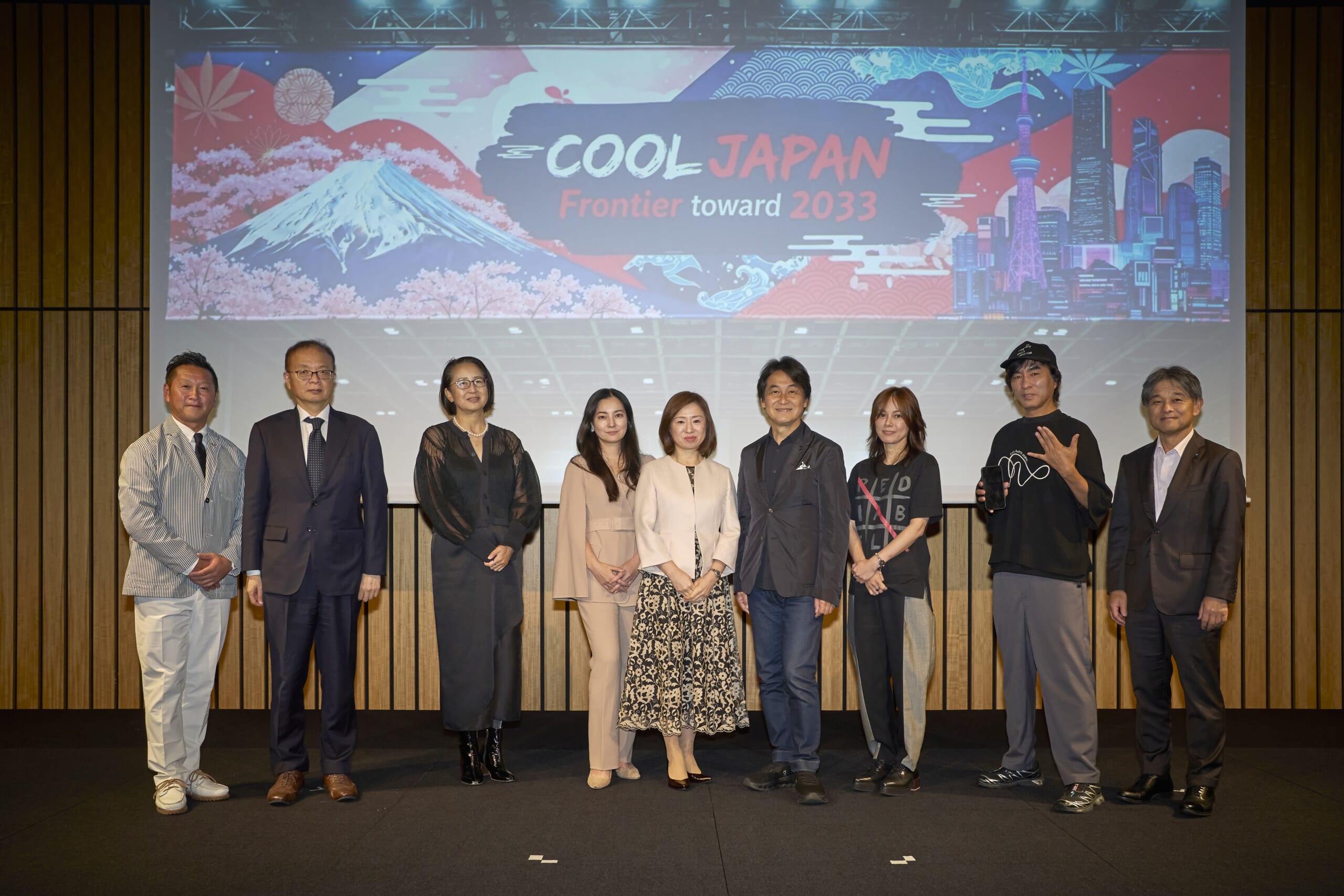



Representatives from the fashion and beauty industries—both key sectors within the Cool Japan ecosystem—delivered presentations featuring concrete case studies from companies with distinctive strengths in global expansion strategies.
(Date: February 12, 2026)
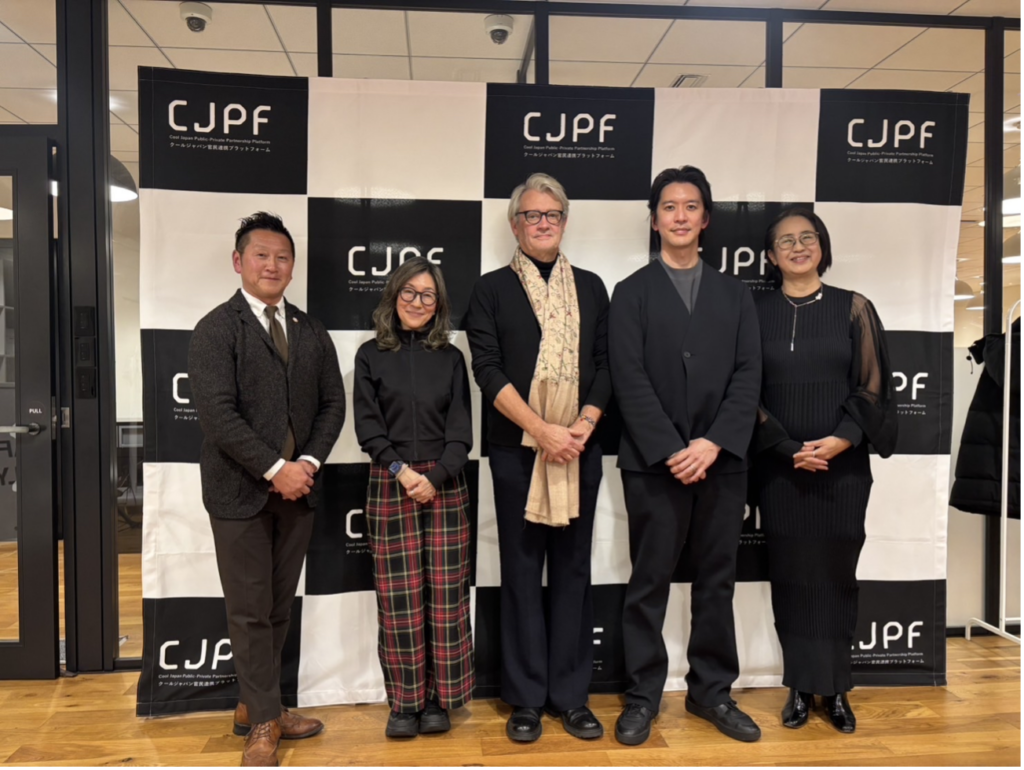
Speakers & Presentation Topics
Philippe Terrien, founder of DAMDAM, delivered the opening presentation, introducing DAMDAM as a Japan-born brand created specifically for a global audience. He discussed the background behind the company’s establishment, its product development based on global standards, and the challenges faced by Japanese brands in the international market.
Mr. Terrien explained that while Japan possesses a rich history of cosmetics and access to many high-quality natural ingredients, these strengths are often underutilized. He noted that the lack of storytelling rooted in Japan’s deep cultural heritage represents a missed opportunity. DAMDAM, he said, was created to bring these uniquely Japanese values and stories to audiences around the world through both product development and branding.
He also introduced initiatives focused on discovering locally sourced ingredients hidden in regional areas of Japan and collaborating with local communities to cultivate raw materials on unused farmland. Through these efforts, the company has established unique ingredient supply chains and production routes while simultaneously contributing to regional revitalization through mutually beneficial partnerships.
In addition, Mr. Terrien shared his experiences of increasingly being invited to speak at overseas events since last year (2025). However, he noted that he was often the only representative from a Japanese brand, and in some exhibitions, the sole Japanese exhibitor was placed within a Korean pavilion area. He expressed disappointment at the limited global presence of Japanese brands and shared his strong hope that far more Japanese companies will expand internationally in the future.
Naohiko Matsuura, Executive Vice President and COO of CFCL Inc., then introduced the company’s business initiatives and approach to international expansion.
Mr. Matsuura explained that the traditional fashion industry has long relied on a labor-intensive model in which mass production shifts from one low-wage country to another in pursuit of lower manufacturing costs. In contrast, CFCL is pursuing a new production model centered on knitwear manufacturing methods that can operate even in small factories with specialized equipment, making production feasible in developed countries including Japan. He emphasized that, because the same products can be manufactured locally in different countries as long as the necessary equipment is available, this model offers additional value and flexibility beyond conventional production systems.
He also noted that because CFCL produces Western-style clothing rather than traditional Japanese garments, the company must clearly communicate why consumers in Europe and the United States—markets already filled with established fashion brands—would choose products from a Japanese company. In this context, he stressed the importance of designing and offering products that people genuinely want to incorporate into their everyday lives.
From the perspective of supporting overseas expansion, Mr. Matsuura also discussed the company’s organizational strategy of “gathering and nurturing talented people from various industries around the world.” He shared that the company’s emphasis on recruiting talent from outside the fashion industry originally stemmed from difficulties in hiring experienced fashion professionals.
At first, CFCL struggled to attract applicants with fashion-industry backgrounds, which forced the company to reconsider its approach to recruitment. By changing perspectives, the company realized there were many people from other industries eager to challenge themselves in fashion, many international professionals who wished to work in Japan, and many individuals seeking more flexible ways of working. These realizations became a source of opportunity and hope.
Mr. Matsuura explained that the company carefully identified what barriers could be removed and what compromises were necessary to overcome challenges. As one example, CFCL established internal systems to support employees through company-funded language education and non-verbal communication training, thereby creating an organizational structure capable of supporting a highly diverse workforce.
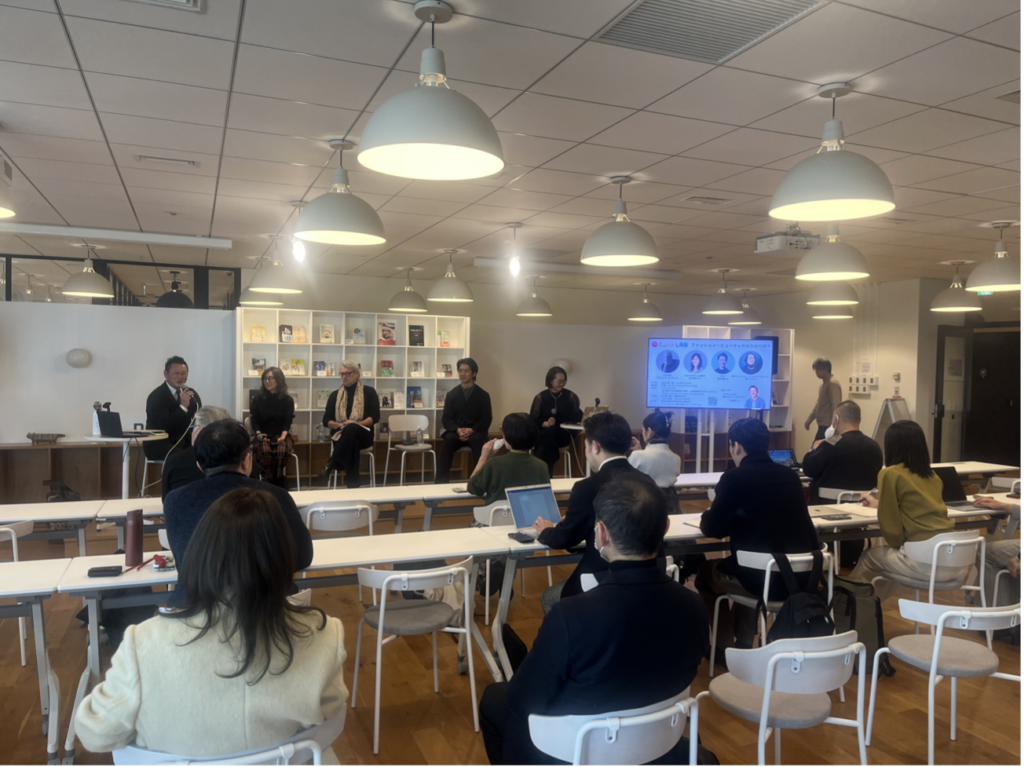
Following the presentations by both speakers, a discussion and Q&A session was held with participation from Kikuko Yano, Editor-in-Chief of BeautyTech.jp at istyle Inc., and Ayumi Gunji, Representative and Editor/Fashion Creative Director of gumi-gumi, who served as moderators for each session.
The discussion highlighted that both the beauty and fashion industries possess unique strengths rooted in Japan’s rich cultural assets, and that this is a moment filled with opportunity for Japanese value and creativity to gain even greater global influence. At the same time, participants also discussed challenges such as the need for greater speed in global business development, the active inclusion of international talent, and branding and marketing strategies that effectively communicate Japan’s appeal from an overseas perspective in ways international audiences can easily understand.
Participants joining both in person and online actively raised questions on topics including compliance with overseas regulations in product development, at what stage and to what standards products are adapted for international markets, effective approaches to overseas public relations and marketing, and future expansion strategies. The session concluded as a highly engaging and lively exchange of ideas.