


CASE STUDY
Search by area
Search by keyword
- All
- Ryotei & Restaurants
- Lodging/Hotels
- Producers
- Technology
- DX (Digital) & SNS
- City Planning
- Utilization
- Gastronomy and Culinary
- Japanese Nature
- Japanese history and traditional culture
- Japanese Food Culture
- Agriculture
- Fisheries
- SDGs
- Local production for local consumption
- Foreigner Activation
- Experience
- Overseas Expansion
- Fermentation
- Public-private partnerships and collaborations
- Sake
- Community Revitalization
- Spirituality
- Japan of the Sea
- Mountain Japan
VIEW ALL
-
Minami-Kanto
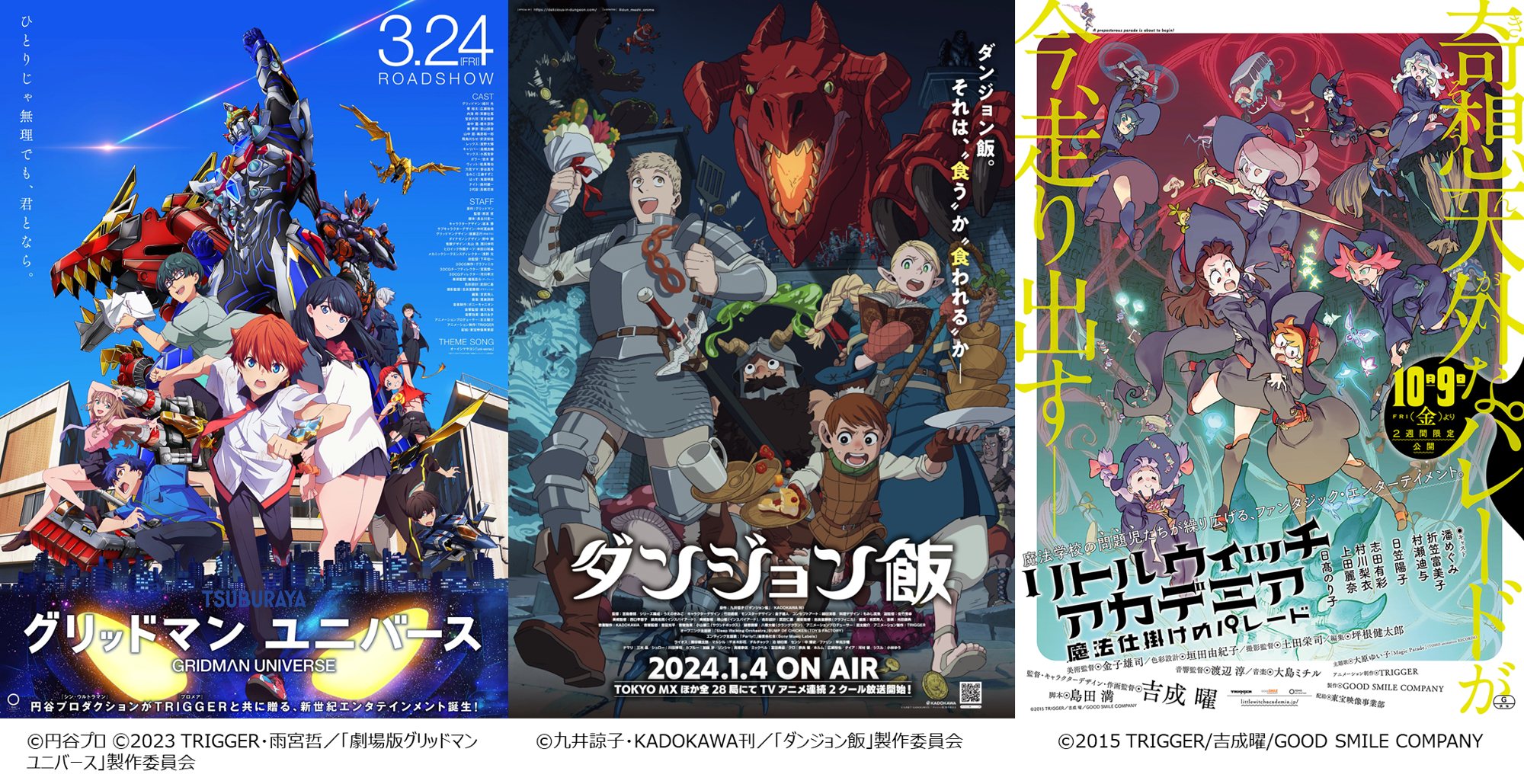
29 Japan’s Culture: A Unique and Unparalleled Fantasy The Past, Present and Future of the Captivating World of Japanese Anime
The full-scale production of animation in Japan began in the 1960s. Following that, throughout the 1980s and 1990s, a number of iconic works that remain widely cherished today emerged, achieving immense popularity to the point where mass media referred to the phenomenon as an “anime boom.” Around the same time, Japanese anime began airing in regions such as North and South America, Southeast Asia and Europe, increasing its global recognition. A key figure deeply involved in this flourishing era of Japanese animation with legendary works, famous titles and notable creators, is Masahiko Otsuka, the President and CEO of Trigger Inc. In pursuit of originality and a stronger connection with fans, Otsuka founded Trigger Inc. in 2011 with three colleagues from his previous studio. In 2013, the studio produced Little Witch Academia, which was highly acclaimed by fans overseas. Always mindful of global markets and devoted fans, Otsuka — who holds a deep love for the craft of animation — shares his thoughts on the past, present and future of Japanese anime.
Read more -
Hokkaido
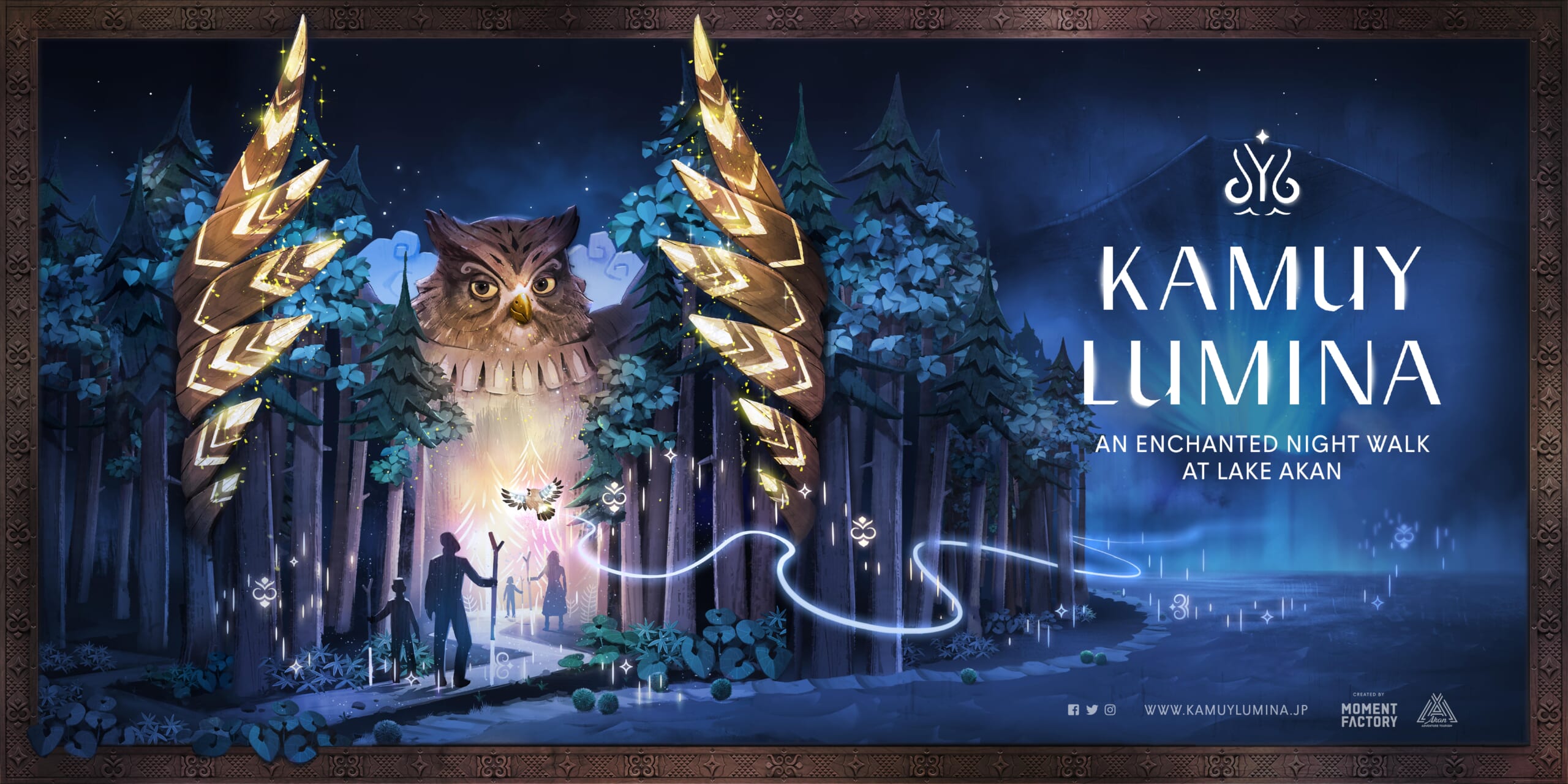
28 Crossing borders, an initiative uniting the public and private sectors. A nighttime activity that will captivate the world is born in the forests of Lake Akan.
In July 2019, Kamuy Lumina, the world’s first experiential night walk of its kind, was launched in Akan-Mashu National Park. Based on an Ainu epic poem and brought to life using the latest digital technology, participants are able to experience the culture of the Ainu people and their harmony with nature, while walking through the forests of Akan. A 2023 exit survey showed that 92% of participants were highly satisfied. While Taiwanese visitors have traditionally accounted for the majority of international visitors, there has been an increase in visitors from Hong Kong, Malaysia, and Europe. The birth of Kamuy Lumina is also a story of how many stakeholders from different positions and countries came together to make Akanko Hot Springs the world’s best hot spring resort.
Read more -
Hokkaido
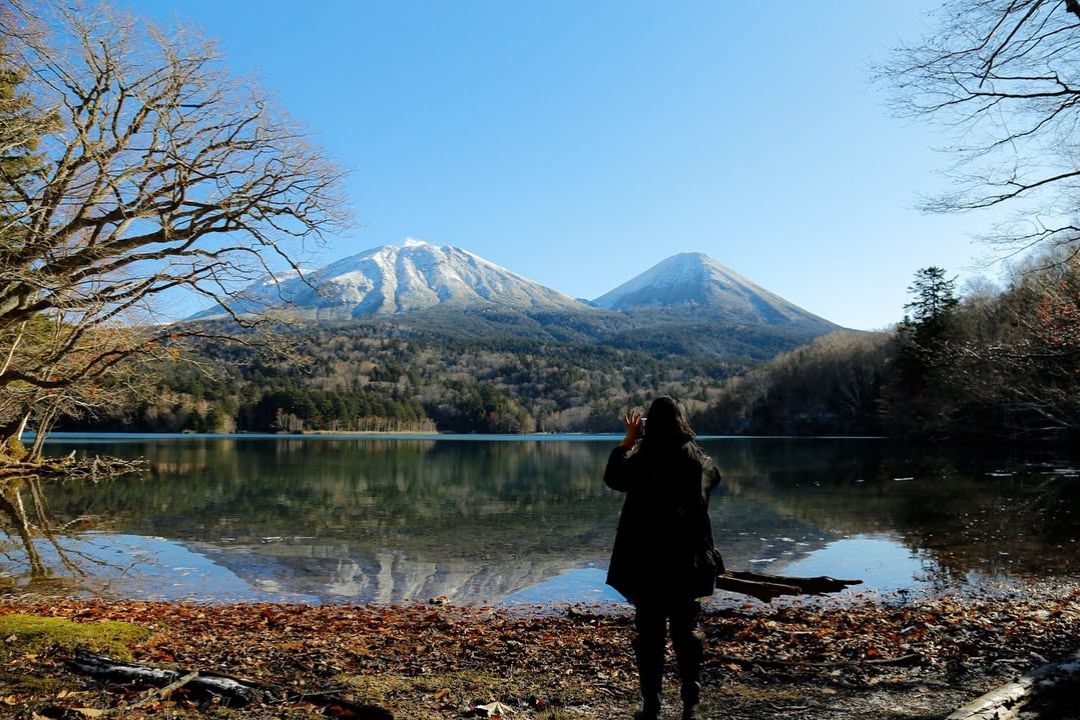
27 The “Outside Looking in” Challenge for the Global Market: Paving the Way for Japan’s Adventure Tourism
Adventure Travel (AT) is gaining attention worldwide as a tourism sector with high added value and is defined as travel consisting of two or more of activities related to exploring nature or cultural experiences. This style of travel allows tourists to enjoy interactions with local people through these experiences while also learning more about the culture of the land. The market is expanding, especially among the wealthy in Europe, America, and Australia. According to the Japan Adventure Tourism Association, the estimated global expenditure for adventure tourism, excluding domestic markets in major regions such as North and South America, Europe, and Australia, is around $683 billion (approximately 76.5 trillion yen). Leading Japan's AT movement is the Tsuruga Group, which has been working on promoting the Japanese AT market to the world. In 2018, Tsuruga Group opened the "Tsuruga Adventure Base SIRI" in order to create AT experiences unique to Akan, continuing to attract customers with a high repeat visitor rate of 45% over the six years since its opening. The number of European, American, and Australian guests they target has steadily grown.
Read more -

Minami-Kanto
26 Product Development Leveraging “Unique Technology and Untapped Resources × Design” A new business strategy for bringing Japan’s four seasons to the world.
TRINUS Co., Ltd., whose name means "trinity" in Latin, is a D2C brand with the mission of "bringing valuable resources to modern life." By connecting three elements—unique Japanese technologies and untapped resources, design, and end-users—the company has consistently created new value. Among their standout products, the "Flower Colored Pencils" released in 2017 garnered acclaim for their design and originality, becoming a hit both in Japan and abroad. While continuing to develop various products, TRINUS aims to establish its unique brand identity. What have they gained from their business journey so far? And what is their new strategy for bringing “Japan's four seasons" to the world? These endeavors offer many valuable insights and know-how.
Read more -

Minami-Kanto
25 A watch that wouldn’t break even if dropped —this concept ultimately evolved into the globally acclaimed G-SHOCK brand.
Over 40 years ago, in 1981, the story of G-SHOCK began with a single phrase written in a project plan: “A durable watch that won’t break even if dropped.” The developer, Mr. Kikuo Ibe, is known worldwide by fans as the “Father of G-SHOCK”. After nearly two years of trial and error, the first G-SHOCK model, DW-5000C, launched in stores on April 12, 1983. In the late 1990s, a massive G-SHOCK craze swept through Japan, but as the boom subsided, the brand faced a period of stagnation. To recapture its essence of “shock resistance (toughness),” G-SHOCK underwent a transformation, rebranding itself as a "cool" global brand through strategic global marketing. Today, the brand boasts a diverse fan base ranging from teenagers to individuals in their 60s, and aims to grow as a lifestyle brand. This case study delves into how a small product born in Japan rose to become a world-renowned brand, uncovering its strategies and secrets.
Read more -
Chugoku
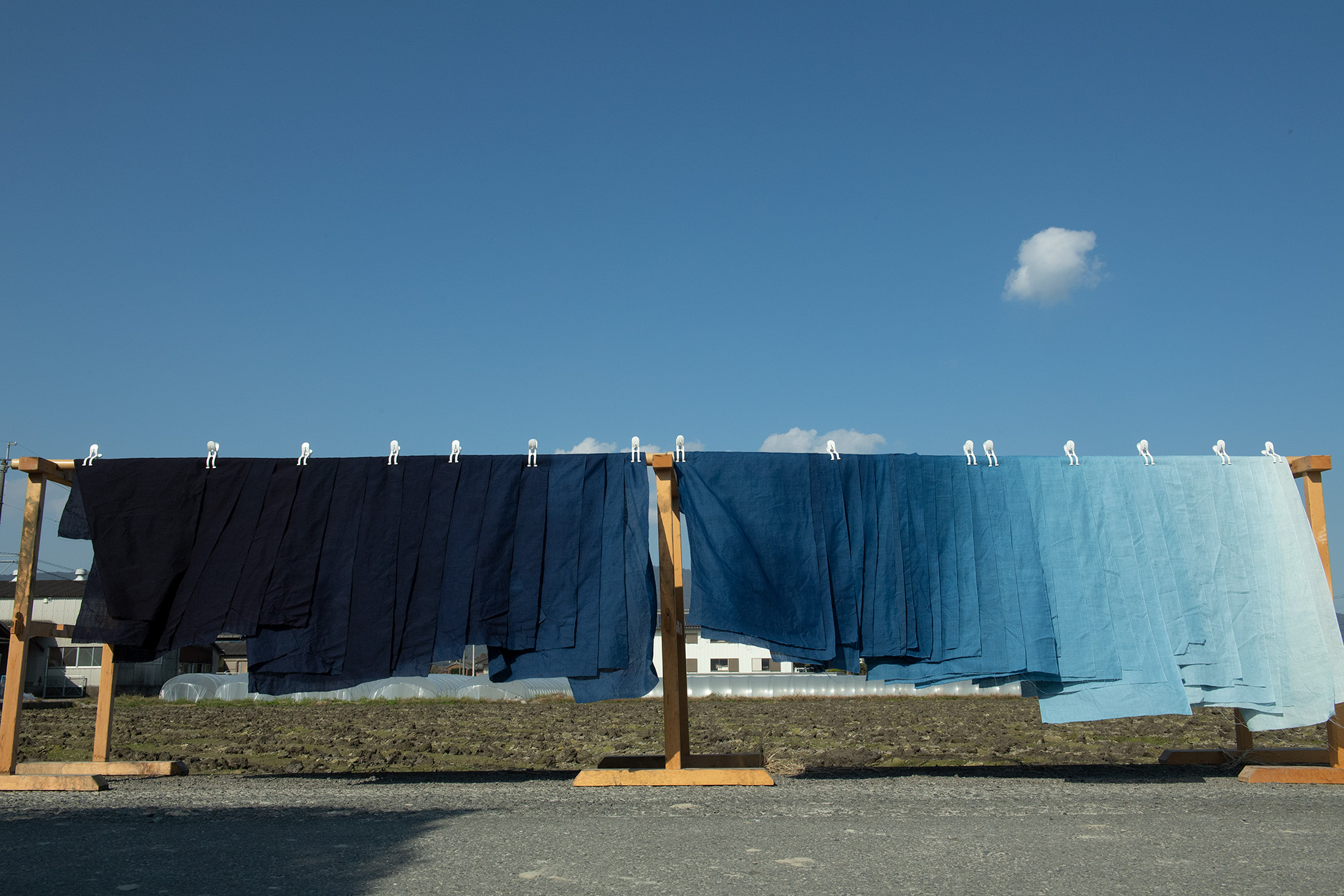
24 Living Alongside Indigo. New Stories from Tokushima Featuring Japan Blue.
Japan Blue is a variety of the indigo color that is highly sought after worldwide. The plants used for indigo dyeing can be found throughout the world, and their history can be traced back approximately 4,000 years to ancient Egypt. Verses mentioning indigo can also be found in the ancient Manyoshu book of Japanese poems, suggesting that indigo dyeing began to spread across Japan from the Nara and Heian periods.<br> Today, the indigo color is known for its use in jeans, for example, but the majority of this indigo is synthetic, with only a few manufacturers using natural indigo dyeing methods. Much of the indigo found in Tokushima, however, is produced naturally. Moreover, in addition to its use as a dye, indigo in Tokushima has long been a familiar food. There is a saying that indigo craftsmen never get sick, and due to its nutritional value and functionality, in recent years it has been garnering significant attention as a so-called superfood. Rethinking the possibilities for indigo from diverse perspectives, a new generation of individuals from Tokushima are kickstarting new indigo movements.
Read more -
Chugoku
23 Highly Unique Regional Food Cultures Born from the Blessings of the Kuroshio Current
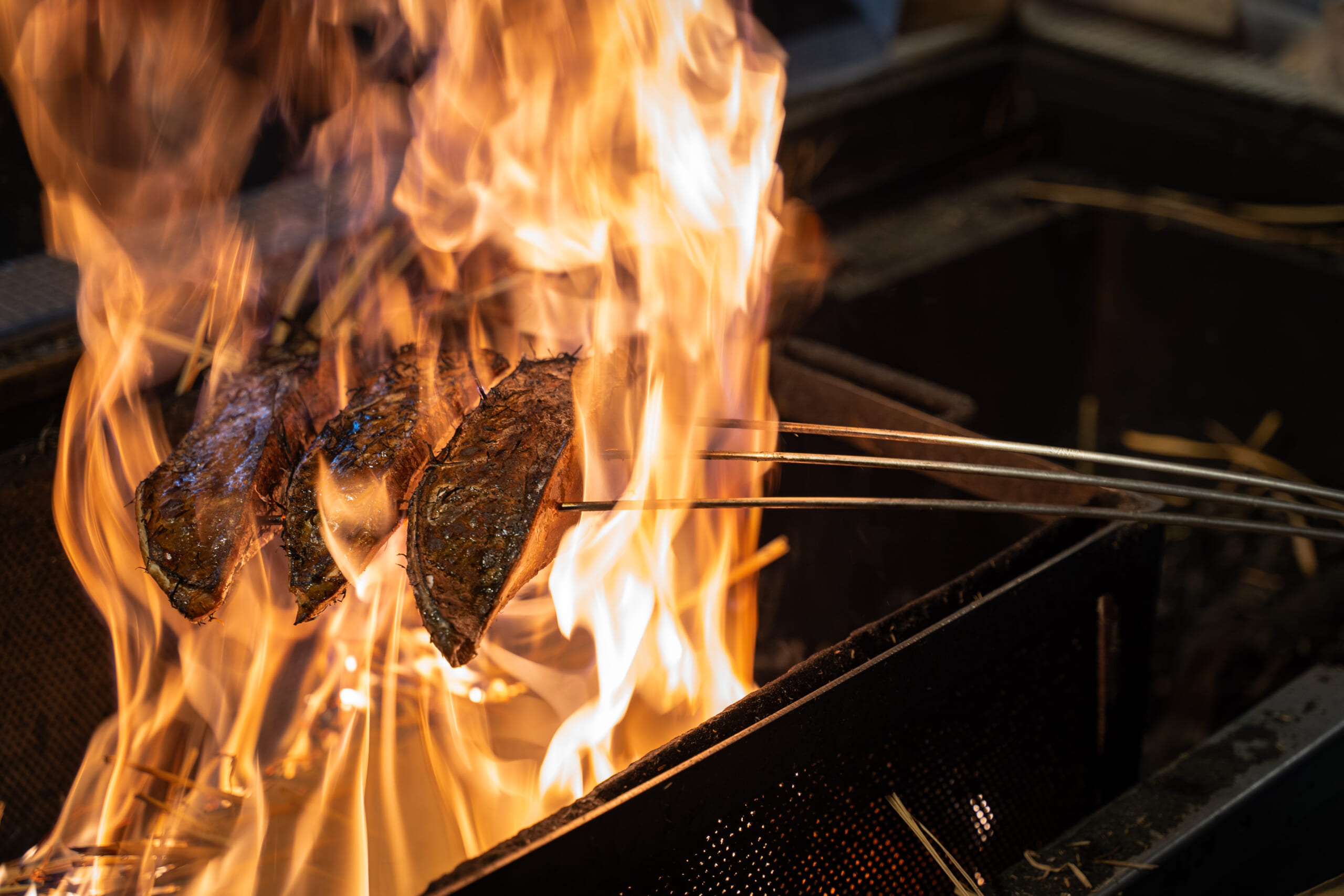
Kuroshio Town, located in the southwest of Kochi Prefecture, is home to an expansive coastline featuring stunning sandy and rocky beaches, as well as luscious green mountains. As its name suggests, it is flourished as a port town that was built on the blessings of the Kuroshio Current, which flows from the south coast of Japan up to the North Pacific Ocean. Since long ago, people in the town have lived alongside the rich fishing grounds provided by the Kuroshio Current. Although a wide variety of seafood is caught throughout the year in Kuroshio Town, the katsuo, or bonito, that arrive on the Kuroshio Current have played a particularly key role in the town’s food culture. The katsuo are caught using a more than 400-year-old technique called Tosa ipponzuri, which sees fishermen use a single rod and lure to lift fish from the sea. Kuroshio Town is still home to an abundance of traditions developed by the Kuroshio Current, and today it is working to incorporate new elements into these traditions to create new value.
Read more -
Tohoku
22 Transforming Conventional Notions Surrounding Scallops A Global Brand Strategy from Iwate Prefecture in Sanriku
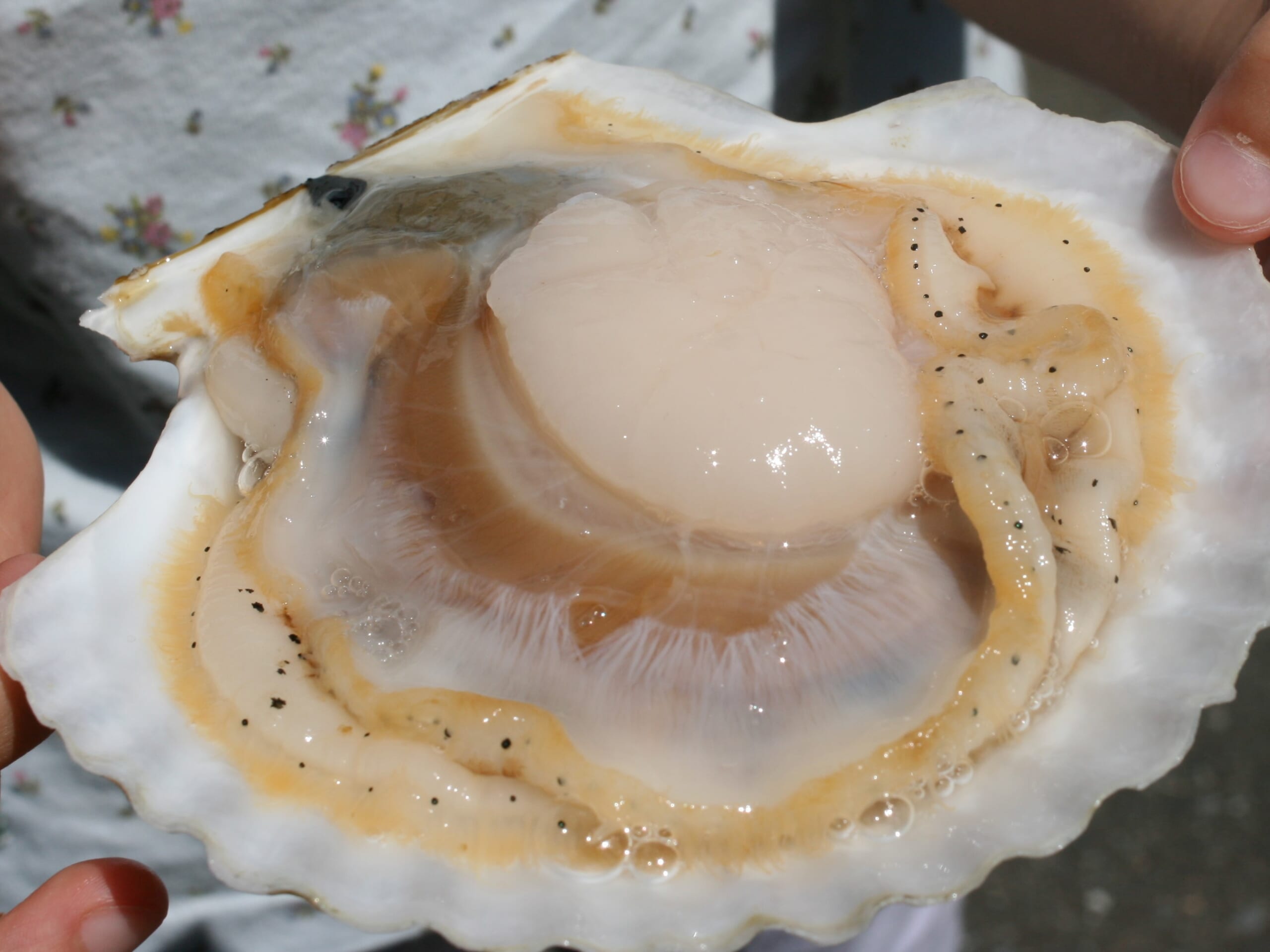
Located in the center of the Sanriku coastline in the southeastern part of Iwate Prefecture, Kamaishi City is blessed with an abundance of delicious seafood. The city is also known as the birthplace of the modern iron industry. Kamaishi is also famous across Japan for being a rugby city, with the local Nippon Steel Kamaishi rugby club winning the All-Japan Rugby Football Championship for seven consecutive years between 1979 and 1985. Located in this city of diverse charms is Yamakiichi Shoten, a shop established in 1989 that today produces the so-called Swimming Scallops, which are said to be the most valuable scallops on the market. Inheriting the ideas of Yamakiichi Shoten’s founder, current Managing Director Takeichi Kimigahora is aiming to grow these Swimming Scallops into a new Sanriku brand and “communicate the value of scallops from Sanriku worldwide.”
Read more -
Minami-Kanto
21 The Secrets Behind a World-leading Whisky Brand from Chichibu.
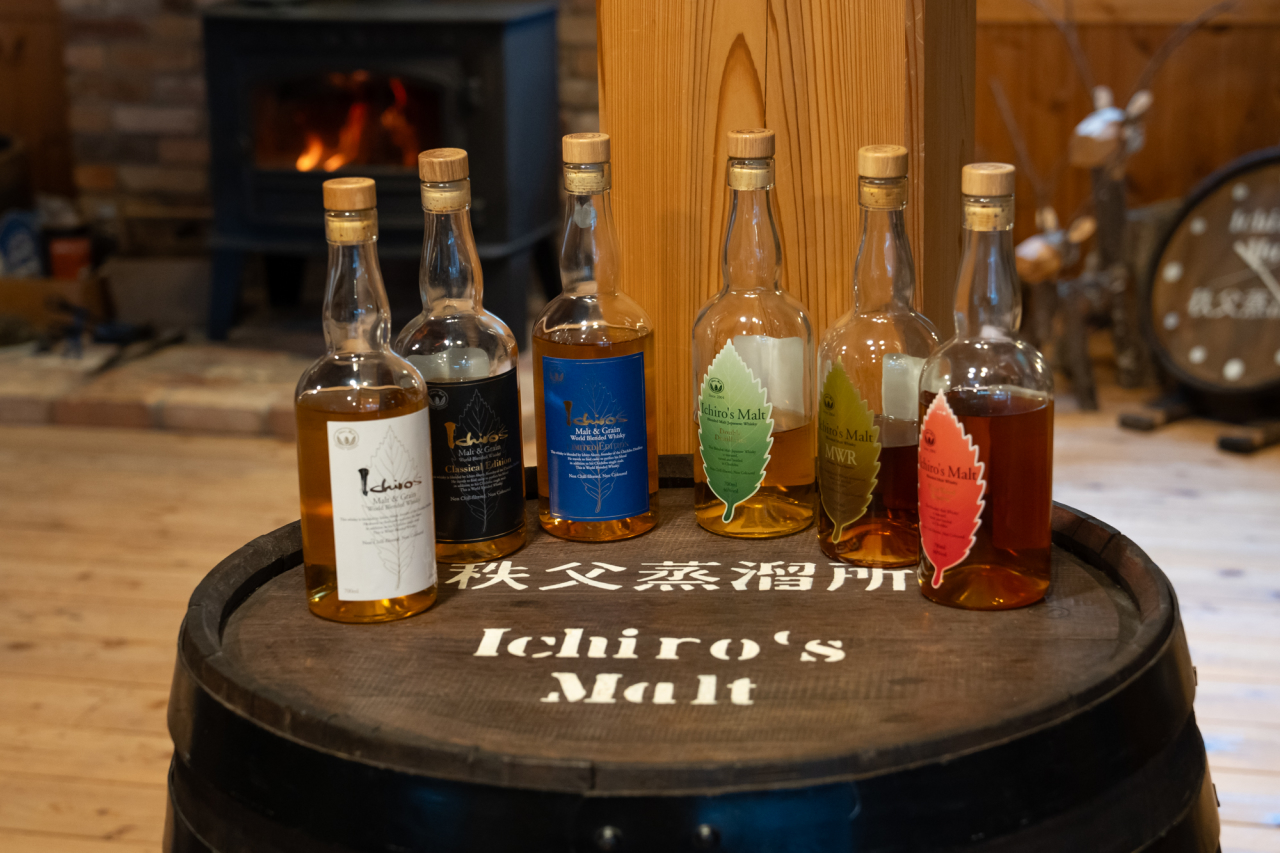
Whisky is said to originate in Scotland and Ireland n the northwest of Europe. The world’s five major whiskies are Scottish, Irish, American, Canadian, and Japanese, the last of which has been garnering significant praise and attention in recent years. In Japan, for many years consumers sought easy-to-drink whiskies, and as such the market for authentic whiskies remained stagnant for some time. However, around 2010 consumption of whisky began to increase, and Japanese whisky has skyrocketed in popularity both in Japan and overseas. The Ichiro’s Malt developed in Chichibu was a pioneer of Japanese whisky. It has gone on to become one of the world’s leading whiskies, collecting numerous prestigious awards along the way.
Read more -
Hokkaido
20 Grateful for “Humbly Receiving their Lives,” Creating a Meat Culture in Tokachi.
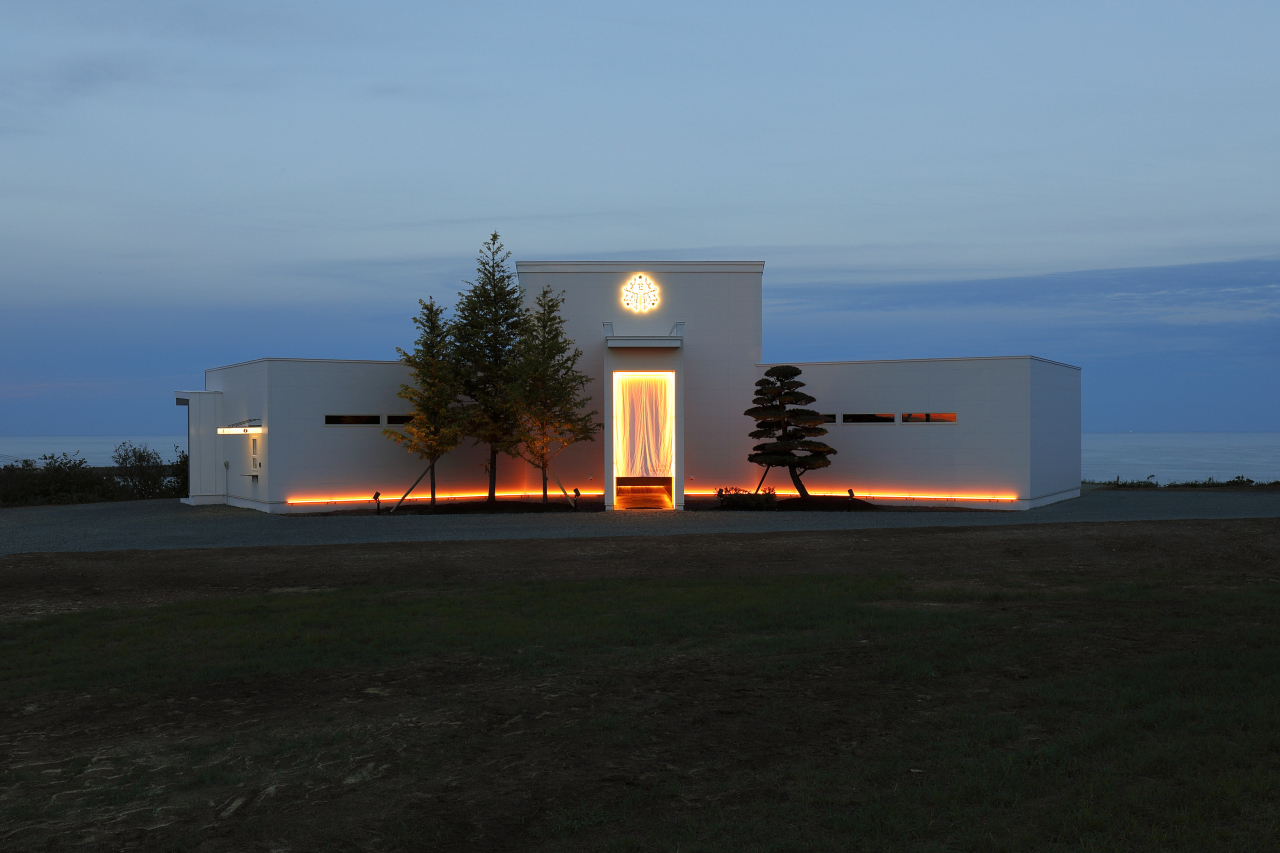
Gibier refers to the meat from hunted wild birds and animals. It developed as the traditional fare of the nobility in Europe. The gibier served in restaurants in Japan today has mostly been imported from Europe. Achieving a stable supply in Japan has lagged due to a lack of workers and the difficulties in establishing butchering, processing and hygiene management systems. A newcomer to the meat industry, ELEZO, has taken up these challenges with some new ideas.<br> ELEZO is based in Toyokoro, a town located in the southeastern tip of the Tokachi area of Hokkaido. It has established an integrated in-house meat production system that is focused on wild game. This system entails ELEZO’s own production and hunting, carcass aging and distribution, charcuterie (processed meat products) production and restaurant divisions. They continue to offer “cuisine that reveals the background of its ingredients, such as how they were raised.” The restaurant in the Toranomon area of Tokyo and the auberge (French inn) that was completed in 2022 have received wide acclaim, attracting many visitors from abroad, all without advertising or promoting itself in any way at all.
Read more
記事検索
キーワードから探す
- すべて
- Ryotei & Restaurants
- Lodging/Hotels
- Producers
- Technology
- DX (Digital) & SNS
- City Planning
- Utilization
- Gastronomy and Culinary
- Japanese Nature
- Japanese history and traditional culture
- Japanese Food Culture
- Agriculture
- Fisheries
- SDGs
- Local production for local consumption
- Foreigner Activation
- Experience
- Overseas Expansion
- Fermentation
- Public-private partnerships and collaborations
- Sake
- Community Revitalization
- Spirituality
- Japan of the Sea
- Mountain Japan
VIEW ALL