

“From Cross-Border E-Commerce to Sharing Japanese Culture with the World — ICHIGO’s Vision for Creating Experiences That Connect Japan and the World —”
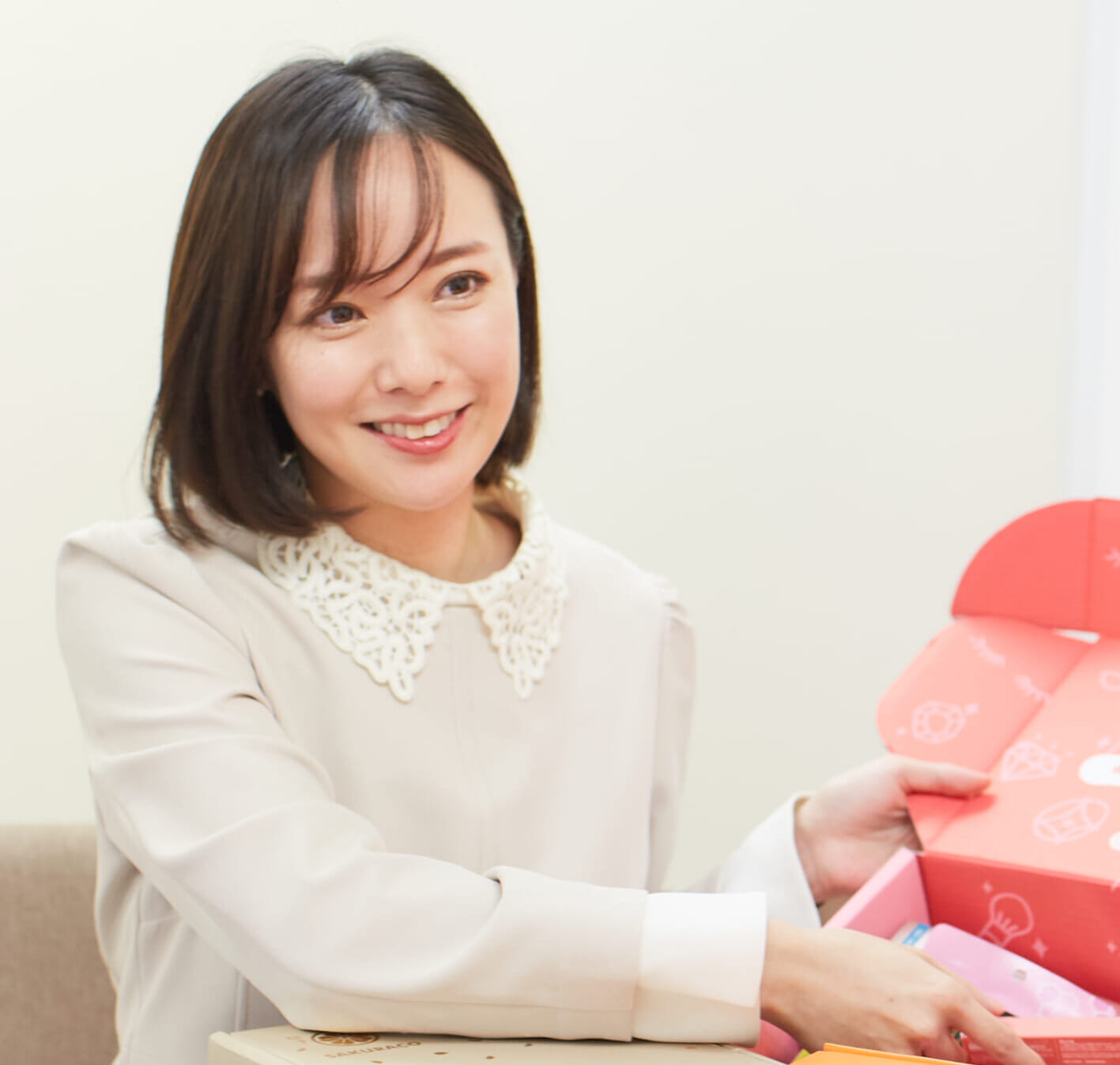
In recent years, interest in Japanese culture has been growing rapidly around the world. Beyond anime and gaming, global curiosity about Japanese cuisine and regional traditions has also expanded, driving a steady increase in international visitors to Japan. At the same time, however, many aspects of Japan’s appeal still struggle to fully reach overseas audiences. For small and medium-sized regional businesses in particular, entering international markets remains a significant challenge. From securing sales channels and marketing products to overcoming language barriers, many businesses share the same concern: “We want to sell overseas, but we don’t know how.”
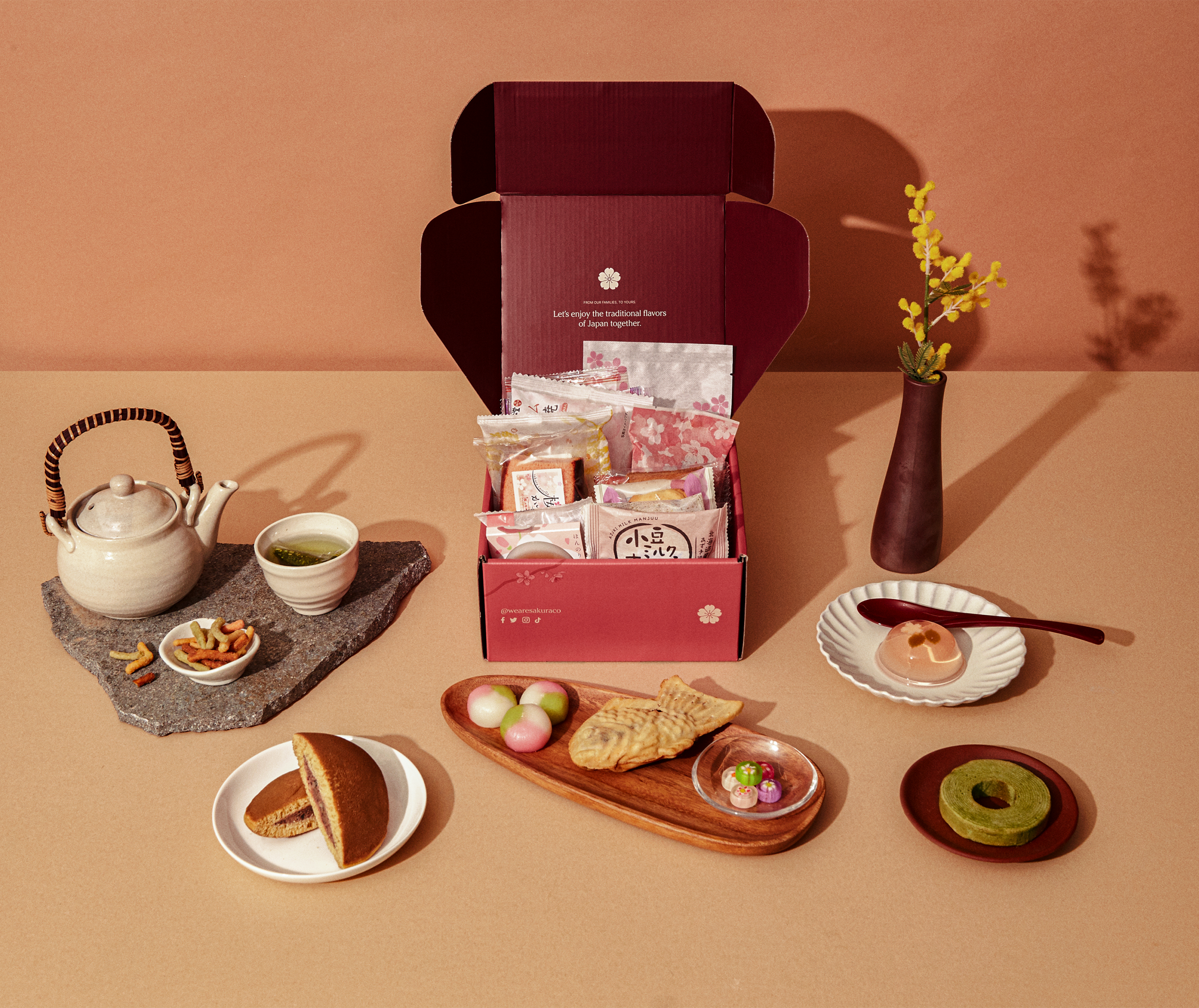
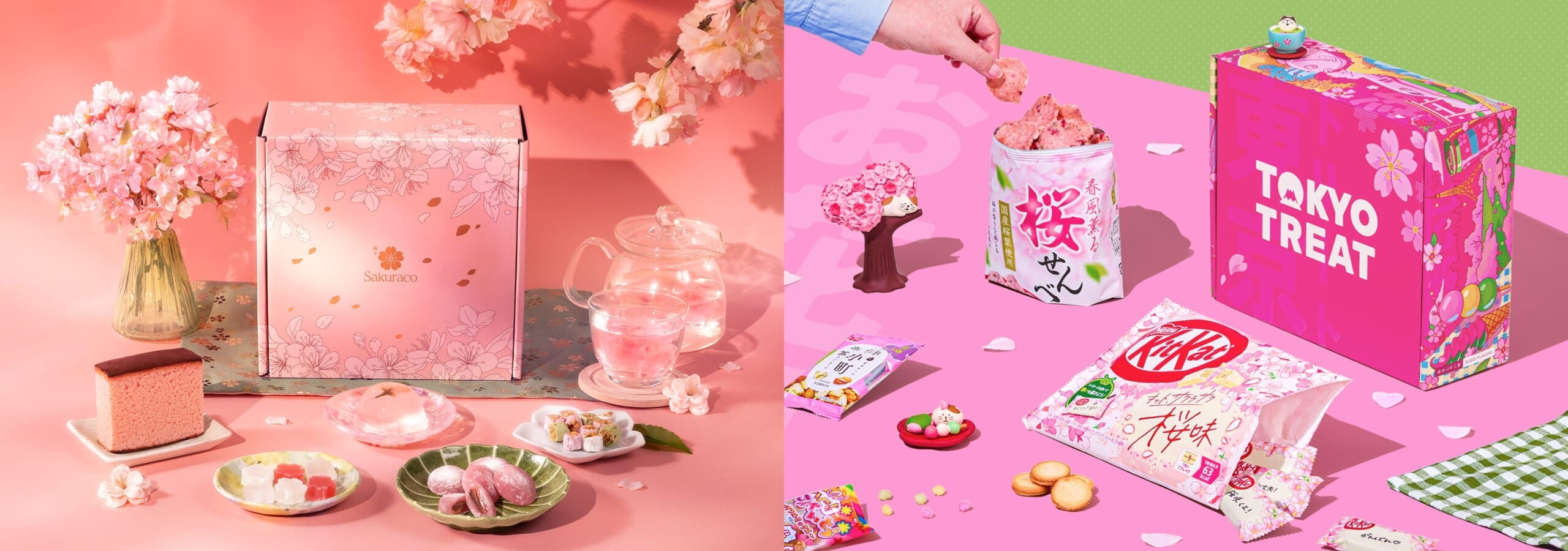
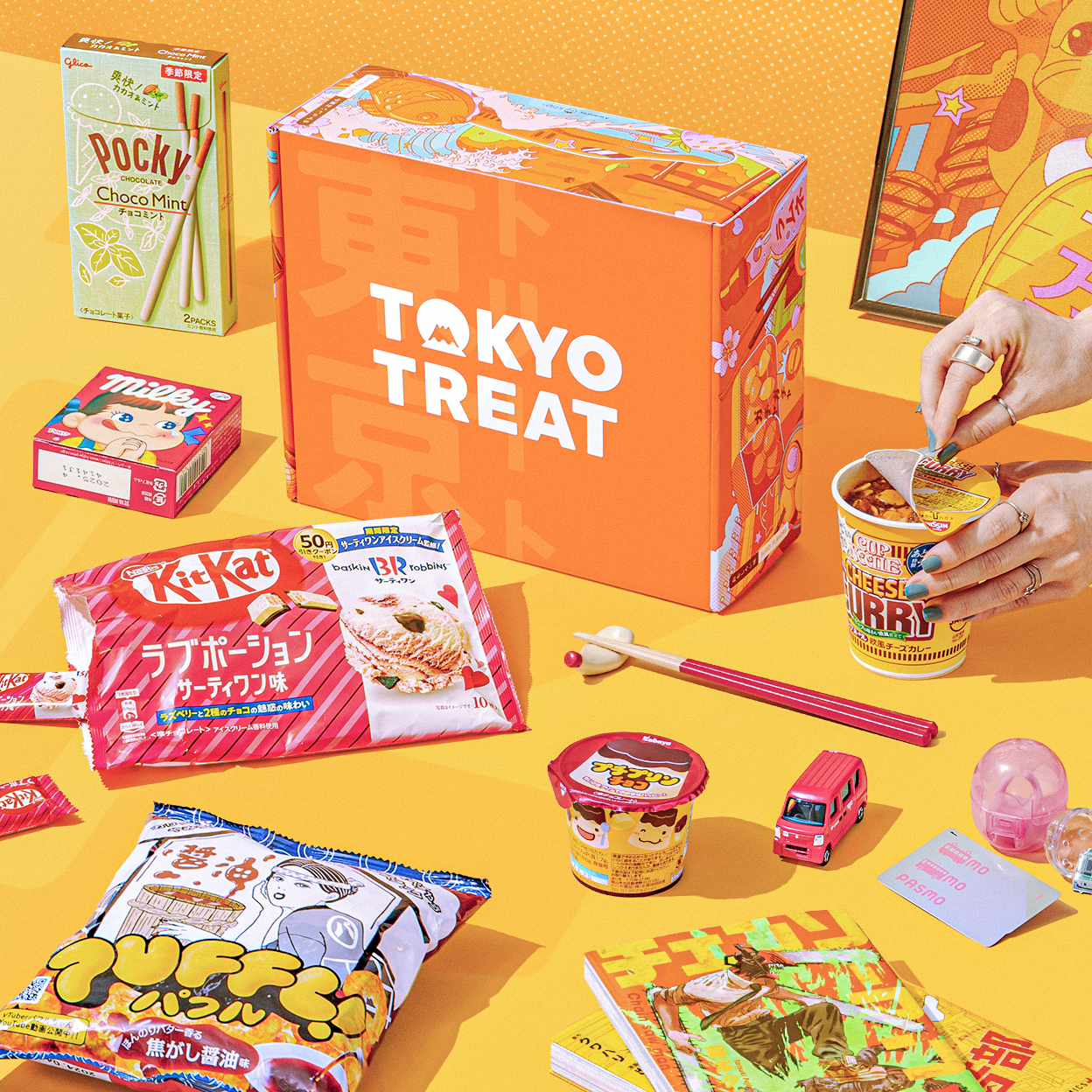
Against this backdrop, ICHIGO has been delivering Japanese food culture to customers around the world since 2015, primarily through Japanese snacks and confectionery. The company operates a subscription service that curates and ships assortments of Japanese treats overseas, and today delivers products to more than 180 countries and regions worldwide. Approximately 80% of its users are based in Europe and North America.
What sets the company apart is its focus not simply on selling Japanese products, but on delivering them as a “cultural experience.” In this article, based on an interview with CEO Ayumi Chikamoto, we explore the business model behind bringing Japanese culture to global audiences, the story behind its origins, and the company’s next stage of growth and ambition.
Chapter.01 ICHIGO’s Origins and the Growing Demand Overseas
The Origins of a Business That Began with Cross-Border E-Commerce
The inspiration behind ICHIGO’s move into international e-commerce was deeply rooted in the personal experiences of its founder, Ayumi Chikamoto. Before launching the company, Chikamoto had been involved in developing new domestic e-commerce businesses at her previous job. Through that experience, she came to realize just how saturated and competitive Japan’s e-commerce market had become. Even large corporations investing heavily in the space were not guaranteed success.
At the same time, Japan was seeing a rapid increase in inbound tourism. Watching international visitors enthusiastically purchase Japanese products throughout the city, Chikamoto began to feel that Japanese products likely had strong demand overseas as well. This realization led her to focus on the potential of cross-border e-commerce — a business model that could deliver Japanese products directly to customers around the world — and ultimately inspired her to start the company.
The company’s first venture was a subscription service that curated assortments of Japanese snacks and delivered them overseas. The boxes mainly featured products commonly found in Japanese convenience stores and supermarkets — especially snacks popular among foreign tourists visiting Japan. Each month, subscribers received a different selection of treats. Products such as Japan-exclusive flavors of KitKat and Pocky proved especially appealing to international customers, and the service quickly gained traction.
As the business grew and customer feedback accumulated, the company decided to survey existing users to explore ideas for new subscription themes. Various concepts emerged, including boxes focused on Japanese bar snacks and Japanese pop culture merchandise.
One of the proposed ideas was a “traditional wagashi box.” At first, even Chikamoto herself was unsure how well traditional Japanese sweets would resonate overseas. Since ingredients and textures such as sweet red bean paste and mochi are not common in many Western food cultures, she believed there was a possibility that differences in taste and texture could become a barrier.
However, the survey results were unexpected. Among all the proposed concepts, the “wagashi box” emerged as the most popular idea by far. This response ultimately led to the development of “Sakuraco,” the traditional Japanese sweets subscription service that the company continues to operate today.
International Customers Were Drawn to “Mochi”
Interest in traditional Japanese sweets was reflected not only in survey results, but also in comments from users on social media and other platforms. Many customers expressed curiosity about products such as taiyaki, mochi-based sweets, and senbei rice crackers, posting comments like, “I want to try taiyaki,” “Please include more mochi snacks,” and “I’d love to taste senbei.”
Once the service launched, products made with mochi quickly became some of the most popular items. The word “mochi” itself had already begun gaining recognition overseas, and mochi-based desserts were becoming increasingly trendy around the world. Even products such as warabi mochi were widely recognized simply as “mochi,” contributing to the growing popularity of traditional Japanese sweets internationally.
At ICHIGO, a dedicated team collects and analyzes every customer comment posted on social media and other channels, ensuring that the latest customer feedback is shared across the entire company. This system allows all employees to approach product development and service improvements from the customer’s perspective.
In addition to its subscription boxes, the company also operates an e-commerce platform where customers can purchase individual products featured in the boxes. This allows users to continue buying items they particularly enjoyed, and in some cases, products introduced through the subscription service continue selling successfully on the online store long afterward.
Perhaps even more interesting is the fact that some customers eventually visit Japan in person as a result of the subscription experience. According to the company, there are cases where users who discovered wagashi through the box later travel to Japan and visit the actual stores of the manufacturers themselves.
Customers first discover products online, then visit Japan to experience them firsthand, and after returning home, continue purchasing them again online. A new cycle of consumer engagement — connecting digital discovery, tourism, and ongoing international purchasing — is beginning to emerge.
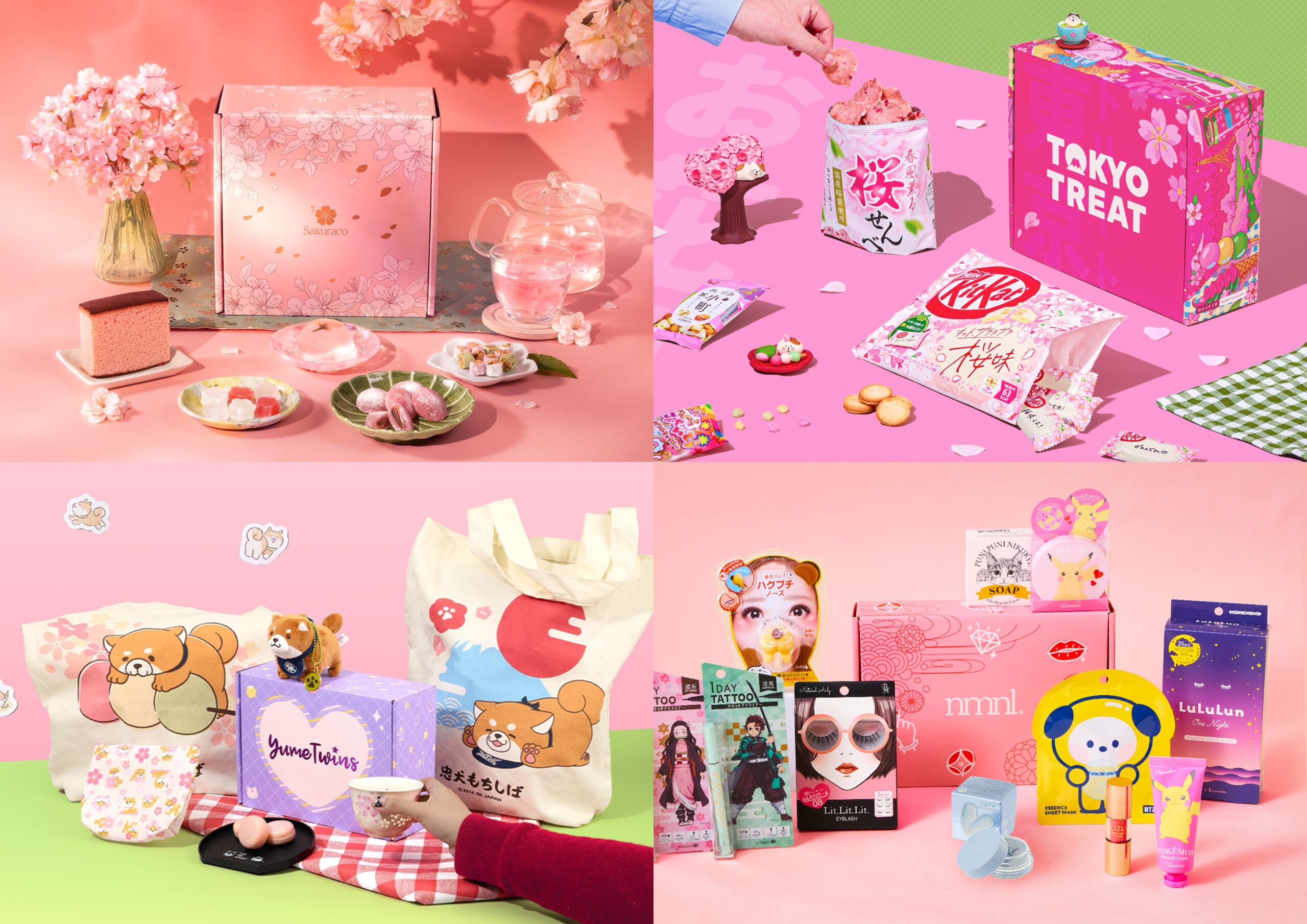
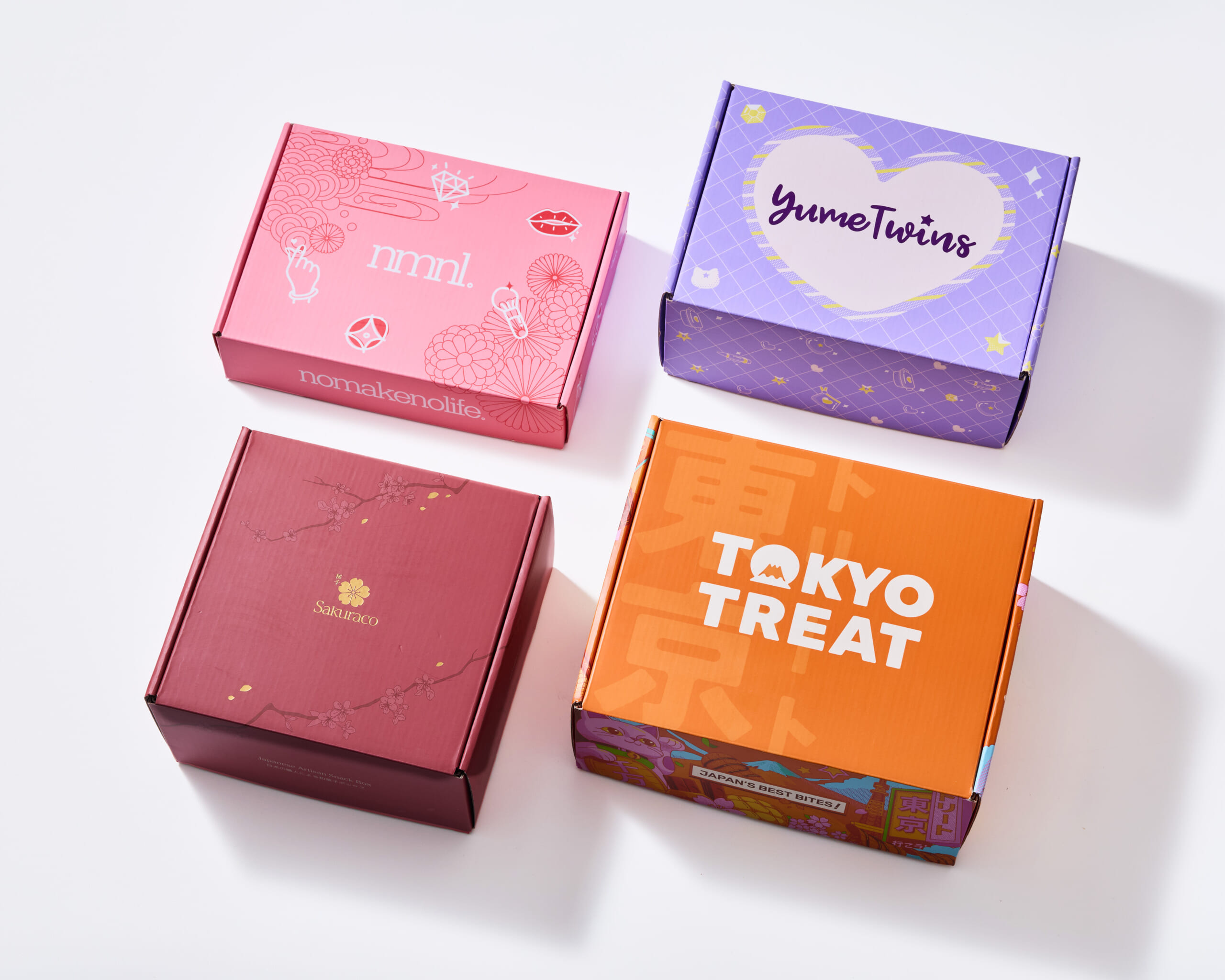
Chapter.02 Connecting Local Japan with the World Through Cultural Experiences
Delivering More Than Products — Creating Cultural Experiences
What distinguishes ICHIGO is that its service goes beyond simply selling products. The company places a strong emphasis on delivering Japanese snacks and sweets as a “cultural experience.”
Each subscription box includes a booklet introducing aspects of Japanese culture, featuring topics such as seasonal traditions, regional customs, and the histories of the confectionery makers behind the products.
The booklet originally began as a single-page insert. However, as customer feedback continued to grow, the content gradually expanded, and today it has evolved into a 24-page publication. With limited space available, the team carefully curates every topic, turning the booklet into a highly valuable communication tool packed with cultural insight.
Among overseas customers, one of the most popular sections is the stories behind the manufacturers themselves. For example, some booklets introduce the story of a confectionery maker that began producing sweets after sugar became more widely available in postwar Japan, while others share how a company started making okaki rice crackers as a way to repurpose mochi offerings originally prepared for the gods. Many of these stories are deeply connected to Japanese history, local communities, and everyday life.
According to the company, international customers are interested not only in the products themselves, but also in the culture and history behind them. Understanding how a product was created and learning about the region where it is made transforms the experience from simply eating a snack into something far more meaningful and immersive.
Through these efforts, ICHIGO aims to present Japanese sweets not merely as food products, but as a gateway to Japanese culture itself. The company’s approach is emerging as a new model for sharing Japan’s culinary traditions with the world — not simply as products, but as rich cultural experiences.
Connecting Regional Businesses with Global Markets
“Sakuraco,” ICHIGO’s subscription service focused on traditional Japanese sweets, is creating new opportunities not only for international consumers, but also for small and medium-sized businesses across Japan.
The wagashi industry has faced significant challenges in recent years as Japan’s domestic market continues to shrink. Due to population decline and changing dietary habits, consumption of traditional Japanese sweets has been steadily decreasing over the long term.
At the same time, global interest in Japanese culture has been growing, along with increasing curiosity about Japanese cuisine and wagashi. However, for many regional businesses, expanding into overseas markets remains far from easy. While language barriers and export regulations present challenges, the company says the biggest obstacle is often distribution and market access.
In conversations with wagashi manufacturers, the company frequently hears the same sentiment: “We want to sell overseas, but we don’t know how to reach international customers.” Many businesses lack the expertise, marketing knowledge, and overseas sales networks needed to enter global markets, making it difficult to take the first step.
ICHIGO’s services function as a solution to these challenges. Products are first introduced through the subscription boxes, allowing international users to discover and experience them. Customers who enjoy the products can then continue purchasing them through the company’s online store. By creating this flow, the company enables regional confectionery makers to access overseas markets in ways that would otherwise be difficult on their own.
The company has also been actively collaborating with local governments across Japan. Because the subscription service introduces a new theme every month, it frequently features regional specialties and local products from different parts of the country. For example, in collaboration with the city of Kamakura, the company introduced sweets made with Shonan Gold, a locally grown citrus fruit, which received a strong response from overseas customers.
According to the company, partnerships with local governments often lead to introductions to regional specialties and manufacturers that the company itself may not have otherwise discovered. As a result, these collaborations have also become a new form of regional promotion, helping share local Japanese culture and products with audiences around the world.
For ICHIGO, these initiatives provide a continuous source of fresh ideas and unique monthly themes. For local governments, they help raise awareness of regional products and communities. And for customers, they offer opportunities to discover lesser-known parts of Japan and unique regional specialties rarely available overseas. In this sense, the model creates value for all three sides involved.
Perhaps most notably, the company has also heard from users who first discovered products online and later traveled to Japan to visit the manufacturers’ stores in person. A new cycle is beginning to emerge — one in which e-commerce becomes the starting point for tourism, regional engagement, and local economic activity.
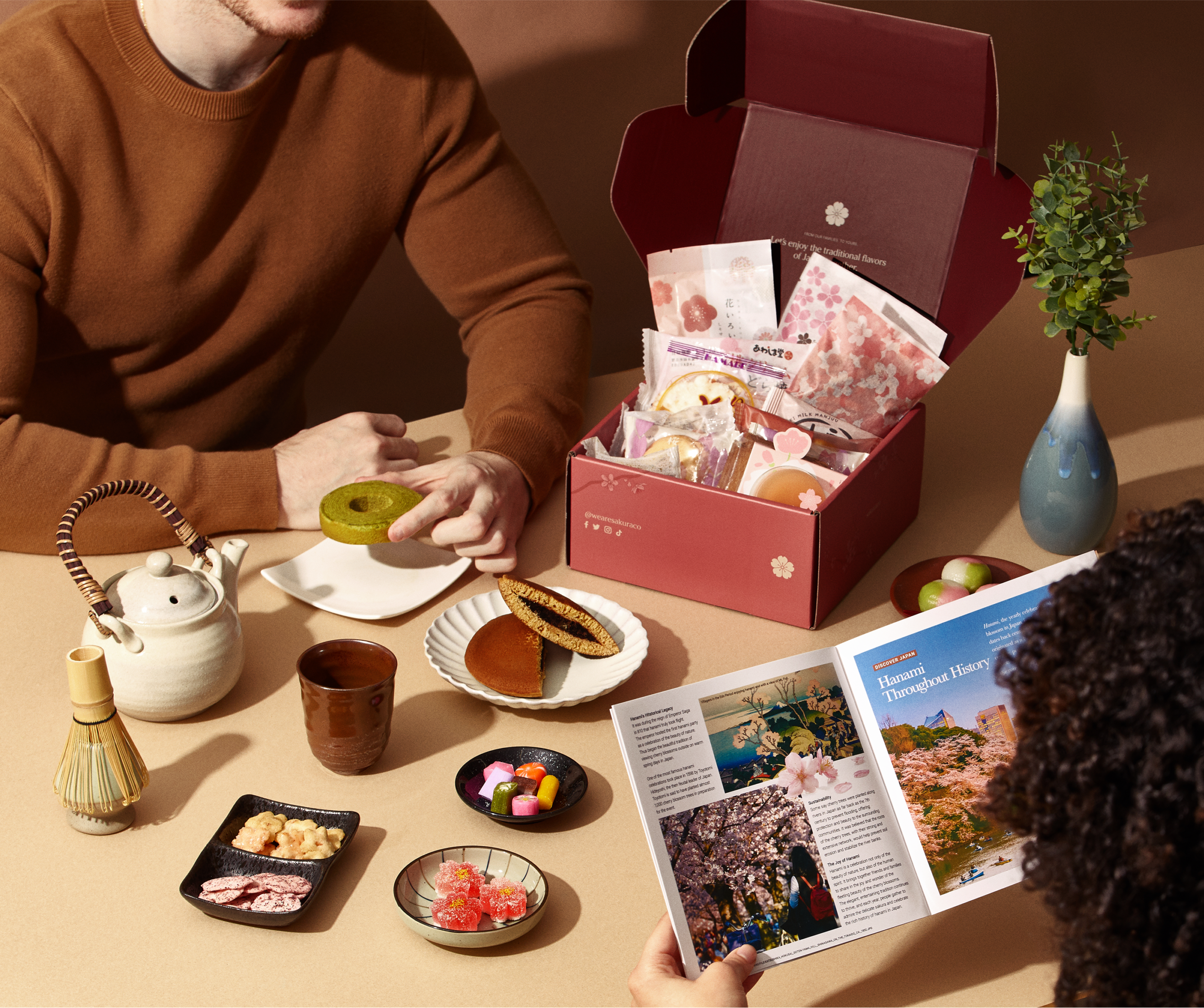
Chapter.03 Deepening the Value of Cultural Experiences Through an International Perspective
Understanding Global Customers Through an International Perspective
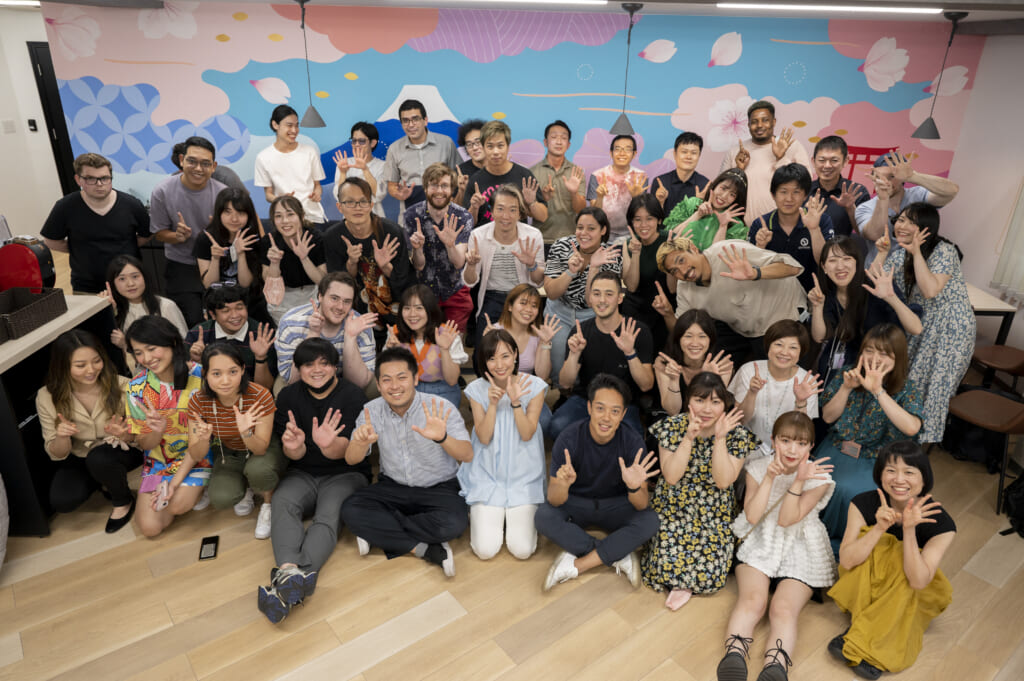
One of the key factors that ICHIGO believes has contributed to its success in overseas markets is its ability to incorporate international perspectives directly into the business itself.
Across departments that interact closely with customers — including marketing, design, and customer support — the company employs many international team members. According to the company, cultural differences have a particularly strong impact on areas such as design and content creation.
For example, Japanese e-commerce websites often tend to contain large amounts of information, while overseas users generally prefer cleaner, simpler, and more visually intuitive designs. Likewise, the aspects of Japanese culture that Japanese companies want to communicate do not always align with what international audiences are actually interested in.
For this reason, the company actively hires international staff in order to better understand the perspectives and sensibilities of overseas customers. Ayumi Chikamoto emphasizes that incorporating these “international perspectives” is an important consideration for any company seeking to expand globally.
She explains that there are natural limitations to trying to understand overseas consumer needs solely from a Japanese perspective. By involving people who were raised within those cultures and markets, companies can begin to uncover deeper insights into what international customers truly value and seek.
From Cross-Border E-Commerce to Real-World Experiences
In recent years, ICHIGO has begun expanding beyond its traditional cross-border e-commerce business into physical retail experiences. One major catalyst for this shift was the acquisition of GOOD IDEA COMPANY, a company operating takeout-focused food brands.
Although ICHIGO is often described as a cross-border e-commerce company, CEO Ayumi Chikamoto explains that the company’s true goal is not simply succeeding in e-commerce itself, but rather “sharing Japanese food culture and product experiences with the world.” In that vision, e-commerce is only one of several possible tools.
Chikamoto believes that online experiences alone eventually reach their limits, because certain aspects of Japanese culture and hospitality cannot be fully conveyed digitally. With that in mind, the company acquired GOOD IDEA COMPANY and began taking on the challenge of developing physical retail businesses.
In Akihabara, the company transformed an existing location into a specialty sandwich shop called SANDO LAB TOKYO, redesigning the brand specifically with inbound international visitors in mind. The result was significant: sales grew to approximately three times the previous year’s level, with the majority of customers coming from overseas — particularly from Europe and North America.
The company is also expanding into other food and lifestyle businesses. In Kyoto, it has launched a ramen business, including JIJI GYOZA, which opened in March 2026. In Tokyo’s Kappabashi district, known for its culinary tools and kitchenware, the company also opened ZAKU, a specialty Japanese knife store, during the same month, with an additional location planned for Asakusa in May. Japanese knives, seen as symbols of Japan’s craftsmanship and technical excellence, attract strong interest from overseas chefs and tourists alike.
These physical retail initiatives are creating entirely new customer touchpoints beyond conventional e-commerce. Customers may first encounter Japanese culture online, then visit Japan to experience it in person, and after returning home, continue purchasing products through e-commerce channels. According to the company, this creates the potential for a new cycle connecting digital discovery, tourism, and long-term engagement with Japanese culture.
A New Model for Sharing Japanese Culture with the World
Japan is home to countless cultural traditions and regional products that are still relatively unknown to the rest of the world. The initiatives led by ICHIGO are attracting attention as a new model for bringing those hidden aspects of Japan to global audiences.
Rather than simply selling products, the company aims to deliver culture itself.
By combining online and real-world experiences, uncovering the stories and value behind regional businesses, and sharing Japanese culture through products and services, the company continues to expand the global community of people who appreciate Japan.
At the same time, these efforts are creating new opportunities for Japan’s regional industries and local businesses. As ICHIGO continues to take on new challenges, its approach offers an important glimpse into how the value of Japanese culture can be shared with the world in the years ahead.
Written by Yoshihiro Suzuki
Interview conducted on January 16, 2026
Please note that the information in this article is accurate as of the interview date.