


NEW Article
-
東海
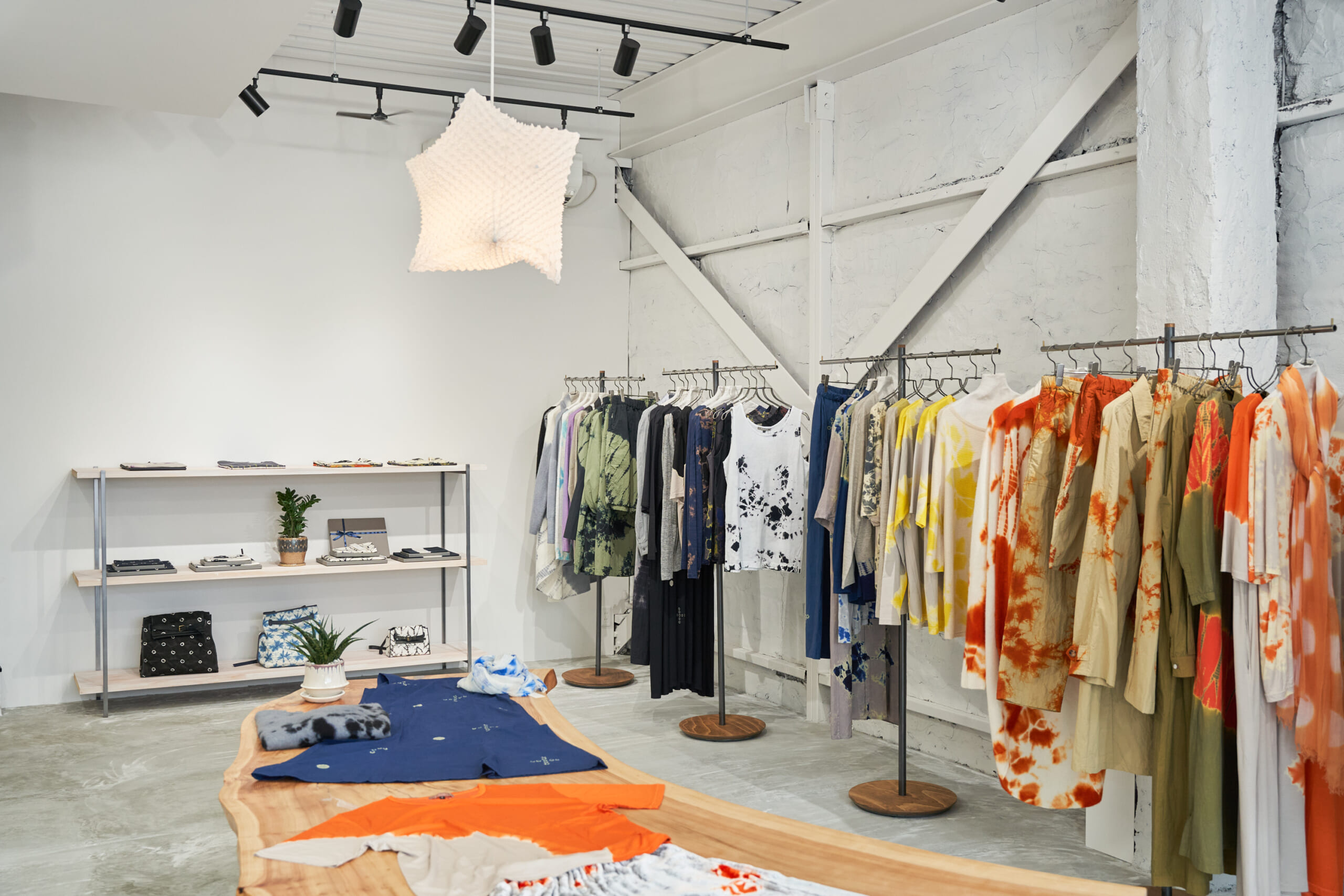
36 Bringing Arimatsu Narumi Shibori to the World How suzusan Is Shaping a Next-Generation Model for Traditional Craftsmanship
Arimatsu is known as the home of Arimatsu Narumi Shibori, a traditional tie-dyeing craft with a history spanning more than 400 years. During Japan’s period of rapid economic growth, production flourished, but since the 2000s, declining demand and the aging of artisans have pushed the industry into a serious crisis—so severe that some warned there would be no successors left within 15 years. Born and raised in Arimatsu amid these challenges is Hiroyuki Murase, CEO and Creative Director of the textile brand suzusan. Coming from a family that has carried on the shibori craft for four generations, Murase grew up watching his hometown gradually decline. His family business was a small-scale artisan operation responsible for just one step in the highly specialized division of labor that defines shibori production. Yet rather than assuming he would inherit the family trade, Murase pursued fine art studies at art schools in the UK and Germany. Later, suzusan established its first company in Germany and, from the very beginning, developed its brand with an eye toward international markets, guided by a clear commitment to never compromise on “making things by hand” and “making them in Arimatsu.” Today, the brand works with approximately 120 stores worldwide, primarily across Europe and the United States, with overseas sales accounting for nearly 80% of its revenue. As a result, younger generations in their 20s and 30s are beginning to gather once again at the manufacturing sites in Arimatsu, breathing new life into the region’s traditional craftsmanship.
Read more -
Minami-Kanto
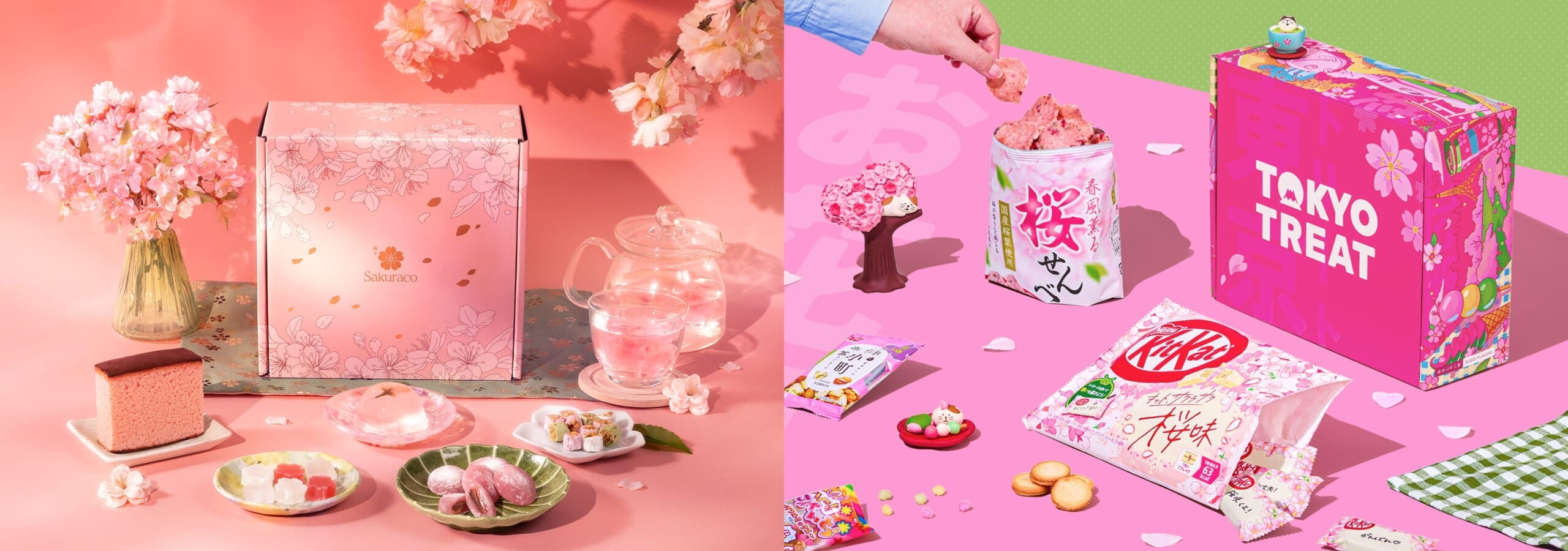
35 “From Cross-Border E-Commerce to Sharing Japanese Culture with the World — ICHIGO’s Vision for Creating Experiences That Connect Japan and the World —”
In recent years, interest in Japanese culture has been growing rapidly around the world. Beyond anime and gaming, global curiosity about Japanese cuisine and regional traditions has also expanded, driving a steady increase in international visitors to Japan. At the same time, however, many aspects of Japan’s appeal still struggle to fully reach overseas audiences. For small and medium-sized regional businesses in particular, entering international markets remains a significant challenge. From securing sales channels and marketing products to overcoming language barriers, many businesses share the same concern: “We want to sell overseas, but we don’t know how.” Against this backdrop, ICHIGO has been delivering Japanese food culture to customers around the world since 2015, primarily through Japanese snacks and confectionery. The company operates a subscription service that curates and ships assortments of Japanese treats overseas, and today delivers products to more than 180 countries and regions worldwide. Approximately 80% of its users are based in Europe and North America. What sets the company apart is its focus not simply on selling Japanese products, but on delivering them as a “cultural experience.” In this article, based on an interview with CEO Ayumi Chikamoto, we explore the business model behind bringing Japanese culture to global audiences, the story behind its origins, and the company’s next stage of growth and ambition. The Origins of a Business That Began with Cross-Border E-Commerce The inspiration behind ICHIGO’s move into international e-commerce was deeply rooted in the personal experiences of its founder, Ayumi Chikamoto. Before launching the company, Chikamoto had been involved in developing new domestic e-commerce businesses at her previous job. Through that experience, she came to realize just how saturated and competitive Japan’s e-commerce market had become. Even large corporations investing heavily in the space were not guaranteed success. At the same time, Japan was seeing a rapid increase in inbound tourism. Watching international visitors enthusiastically purchase Japanese products throughout the city, Chikamoto began to feel that Japanese products likely had strong demand overseas as well. This realization led her to focus on the potential of cross-border e-commerce — a business model that could deliver Japanese products directly to customers around the world — and ultimately inspired her to start the company. The company’s first venture was a subscription service that curated assortments of Japanese snacks and delivered them overseas. The boxes mainly featured products commonly found in Japanese convenience stores and supermarkets — […]
Read more -

13 Second CJPF Workshop Verbalizing the Appeal and Story of “Local Communities” and “Your Own Business” to Explore New Experiential Value Through Regional and External Collaboration –
This is the second installment of the workshop aimed at refining business storytelling (the first session was held on March 13, 2024. LINK:https://cjpf.jp/live/ri01/). The Cabinet Office’s Cool Japan Public-Private Partnership Platform (CJPF) and Keio SDM (Graduate School of System Design and Management, Keio University), with the cooperation of the Aichi "Fermented Food Culture" Promotion Council, organized a workshop titled "Considering Aichi’s Fermentation Tourism through Regional Collaboration." Using the Business Story Refinement Framework, participants worked on linking business stories with regional narratives and developed tourism proposals that leverage the region’s unique characteristics and appeal. Through this upgraded and more practical workshop, participants gained valuable insights.
Read more -

12 CJPF LAB #3 – The Current State of the Cool Japan Emerging Market in Africa
CJPF regularly hosts CJPF LAB (study sessions) as a platform for companies and experts interested in overseas expansion strategies for Cool Japan industries to share information and exchange ideas. By involving public-private partnership platform members and CJPF producers, the CJPF LAB fosters knowledge-sharing through insights from pioneers in various Cool Japan fields and successful global case studies. The goal is to support business expansion for those involved in Cool Japan and create collaboration opportunities among industry professionals. In the third session, three experts provided insights into the current state of Africa, an emerging market attracting increasing attention.
Read more -
11 CJPF LAB #2 – Exploring the Potential of Japanese Food Culture
CJPF regularly hosts CJPF LAB (study sessions) as a platform for companies and experts interested in overseas expansion strategies for Cool Japan industries to share information and exchange ideas. By involving public-private partnership platform members and CJPF producers, the CJPF LAB fosters knowledge-sharing through insights from pioneers in various Cool Japan fields and successful global case studies. The goal is to support business expansion for those involved in Cool Japan and create collaboration opportunities among industry professionals. In the second session, four food specialists provided insights into the appeal of Japanese cuisine from an international perspective.
Read more -
10 CJPF LAB #1 ~ What is the Overseas Expansion Strategy of the General Discount Store Don Quijote?
CJPF regularly hosts CJPF LAB (study sessions) as a platform for companies and experts interested in overseas expansion strategies for Cool Japan industries to share information and exchange ideas. By involving public-private partnership platform members and CJPF producers, the CJPF LAB fosters knowledge-sharing through insights from pioneers in various Cool Japan fields and successful global case studies. The goal is to support business expansion for those involved in Cool Japan and create collaboration opportunities among industry professionals. In the first session, Mr. Kazuhiro Watanabe, Executive Officer and Head of Overseas Business MD Strategy at Pan Pacific International Holdings, and Mr. Kenichi Hiyama, General Manager of the Fresh Food Overseas Business MD Strategy Division, delivered a lecture on the company's overseas expansion strategy.
Read more -

09 The Charm of Bishu Wool Discovered by an Overseas CJ Producer
The Cool Japan Public-Private Partnership Platform (CJPF) is a public-private collaborative initiative aimed at promoting the appeal of Japan to overseas markets and expanding the number of fans. The theme for this episode is “Japanese Textiles.” CJ producers, who are from overseas, will introduce the appeal of “Mitsuboshi Keito,” a woolen textile manufacturer in the Bishu region of Japan that has attracted the attention of luxury brands around the world. Please watch the following video that was taken from the producers’ unique perspective.
Read more -

Minami-Kanto
34 Inheriting Over 100 Years of Passion and Tradition in Watchmaking: Partnering with a Diverse Range of Traditional Crafts to Bring Japan’s Sense of Beauty to the World
In 2021, Seiko, one of Japan’s leading watch companies, celebrated its 140th anniversary. Its origins date back to 1881 when Kintaro Hattori founded the Hattori Tokeiten retail store. In 1892, he established the watch factory Seikosha, and in 1913, the company introduced Japan’s first domestically produced wristwatch, the Laurel. Since then, Seiko has continued to create numerous world-first and Japan-first products. Among its diverse lineup, including Grand Seiko, King Seiko, Prospex, Astron, 5 Sports and Lukia, there is one collection that has recently gained attention and acclaim not only in Japan but also internationally — Presage. The name Presage, derived from the French word meaning “premonition,” embodies the desire to have people enjoy the richness of time by merging Seiko’s long history with Japan’s unique aesthetic sensibility. As a mechanical watch collection infused with Japan’s craftsmanship, traditions and wisdom, Presage carries a deep and authentic story from its inception to the present day.
Read more -
Minami-Kanto
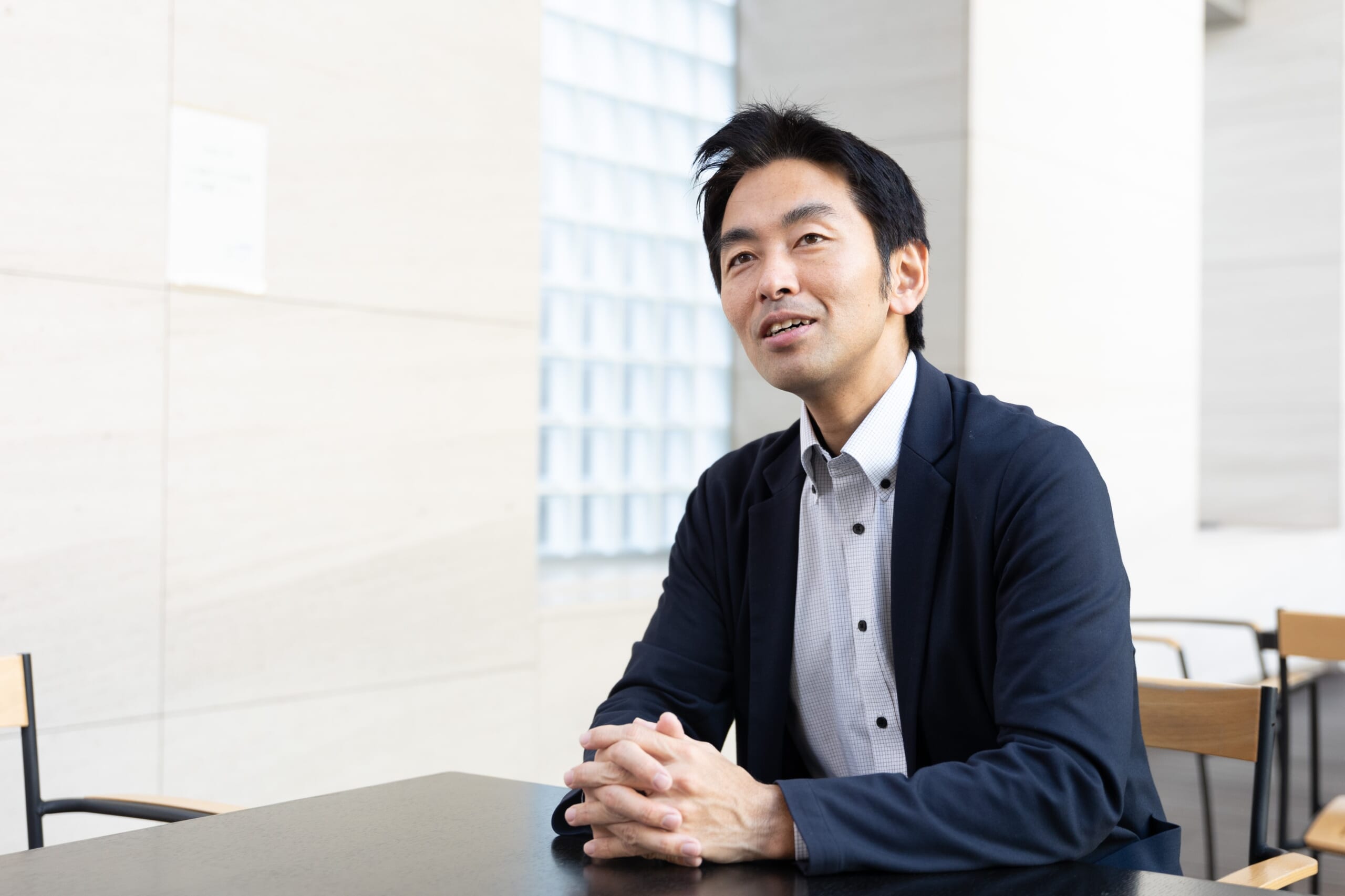
33 The Potential of Japan’s Content Industry in the Global Market
The “New Cool Japan Strategy,” which was decided in June 2024, sets a goal of 50 trillion yen in foreign consumer spending (including exports and inbound tourism) across four key sectors—Food & Food Culture, Content, Fashion and Cosmetics, and Inbound Tourism—by 2033. Among these, the Content sector holds particularly high expectations, with a target of 20 trillion yen. Japan's content industry, spanning anime, manga, and games, has earned widespread acclaim overseas. We spoke with entertainment sociologist Atsuo Nakayama about growth strategies, challenges, and key factors for success in global expansion.
Read more -

Kita-Kanto
32 Utilizing the 200-year-old technique of ‘hammered copperware,’ the seventh-generation successor that transformed it into a globally acclaimed brand
Niigata Prefecture's Tsubame City is known as one of Japan's leading "manufacturing towns." Since the Edo period, the metalworking industry has flourished here, and traditional techniques are still being passed down to this day. Founded in 1816, Gyokusendo is a long-established maker of Tsuiki Douki (hammered copperware), crafted by shaping a single sheet of copper through hammering. Starting in 2003, Gyokusendo began expanding overseas by exhibiting at international trade fairs, including one in Frankfurt. Their collaboration with KRUG, a Champagne maison under the LVMH Group, on a custom-made wine cooler garnered worldwide attention. Currently, 90% of their sales come from directly managed stores, with 50% of these purchases being made by inbound foreign tourists, attracting customers from both Japan and abroad. To preserve traditional techniques, Gyokusendo continues to innovate without being bound by conventional thinking, staying true to the path they believe in.
Read more
記事検索
キーワードから探す
- すべて
- Ryotei & Restaurants
- Lodging/Hotels
- Producers
- Technology
- DX (Digital) & SNS
- City Planning
- Utilization
- Gastronomy and Culinary
- Japanese Nature
- Japanese history and traditional culture
- Japanese Food Culture
- Agriculture
- Fisheries
- SDGs
- Local production for local consumption
- Foreigner Activation
- Experience
- Overseas Expansion
- Fermentation
- Public-private partnerships and collaborations
- Sake
- Community Revitalization
- Spirituality
- Japan of the Sea
- Mountain Japan